The Story Held In the Guesthouse
A Journey That Began from Nothing: The Passion of a Couple Who Defied Doubt
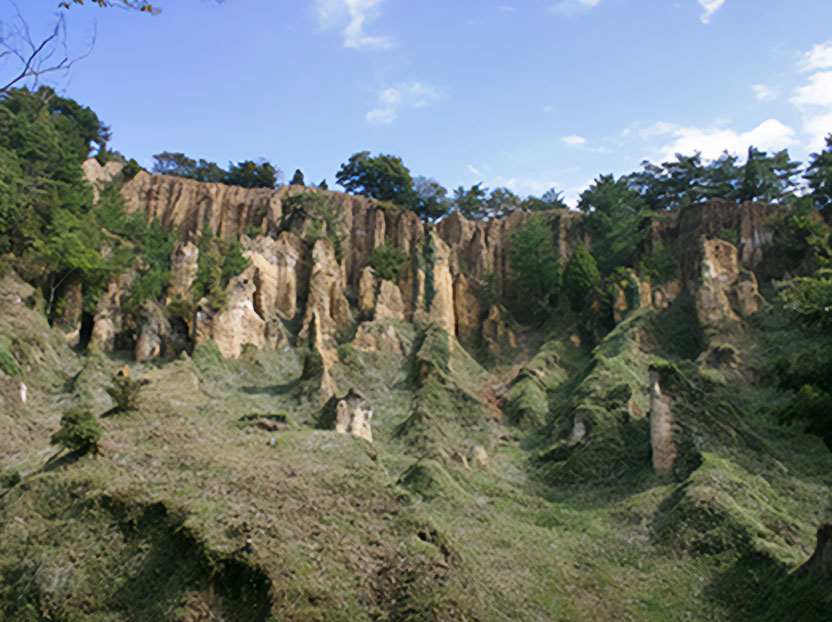
In 1955, at the foot of the Awa Earth Pillars (Awa Dochu), one of the world’s three great natural wonders, a couple built a small house. At the time, the area had neither electricity nor running water, and was overgrown with vegetation. Many people questioned their decision, asking, “Why build a place here?” Yet the couple persevered, earning a living by selling chilled ramune soda, bread, and their handmade “Dochu Senbei” crackers to visitors who came to see the earth pillars, gradually laying the foundations of their business.
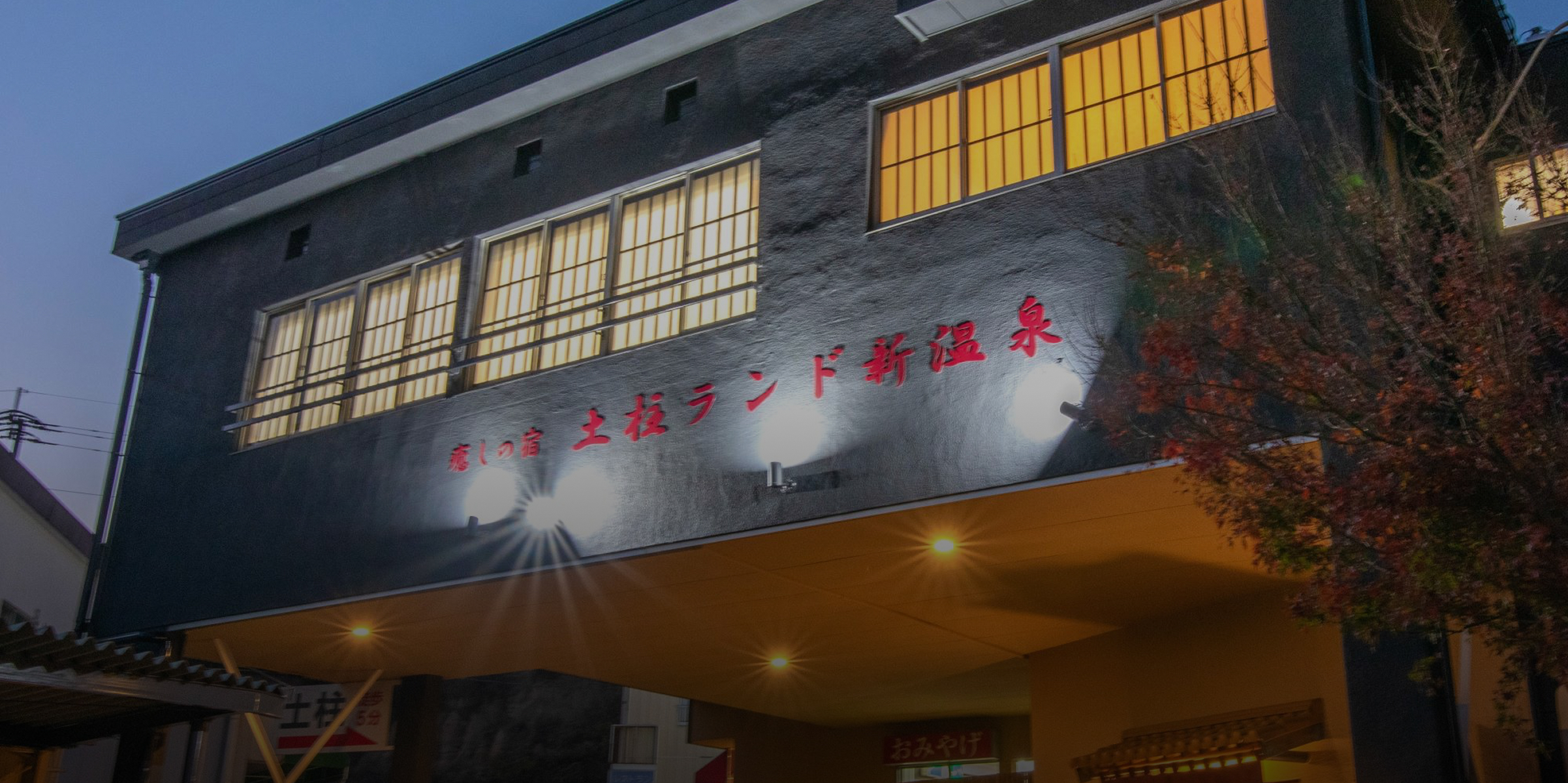
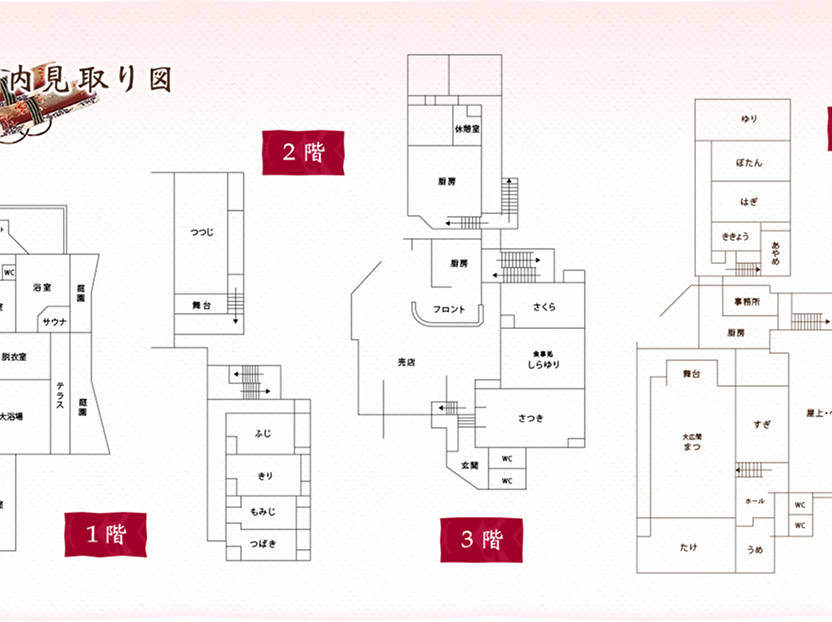
This was the beginning of Dochu Land. In 1970, they opened a roadside drive-in restaurant, later expanding to include banquet facilities and accommodation. In 1984, the owner’s long-held dream became reality with the opening of a radon hot spring. Through repeated expansions and renovations, the property evolved into a uniquely complex four-story building. Unlike today’s standardized hotels, its maze-like layout continues to spark the curiosity and imagination of visitors.
Once bustling with tour groups and school excursions, the area has faced significant changes over the years. Travel styles have evolved, nearby tourist facilities have closed, and many parts of the district have fallen quiet. Yet throughout these changes, Dochu Land has continued to welcome pilgrims and travelers from around the world with the same family bonds and spirit of hospitality that have guided it since its founding.
When I look into a guest’s eyes, I can tell what they need. By speaking to them and staying close to them, they begin to share their thoughts with us. Even when we don’t share a common language, even with only a few words, bringing out a smile through conversation is the greatest form of hospitality.
The Owner’s Thoughts and Philosophy
The Journey of an Introverted Girl to Becoming an Okami — A Spirit of Hospitality Forged Through Hardship
As a child, I was extremely quiet and introverted. While my parents worked tirelessly to expand the family business, helping at the inn from elementary school onward was simply a part of everyday life. I still remember a conversation with relatives when I was in junior high school. Someone casually said, “Yuri, you will run the hotel.” At that moment, I felt a deep sense of despair. I remember thinking, “Is this the only path available to me?” I struggled with communication and carried a strong sense of inferiority at the time.
Yet instead of running away, I continued to devote myself to the family business, and little by little, my perspective began to change. Even after I married and had children, I stood in front of the inn with my baby on my back. My parents had founded the business before Japan's leisure boom and the rise of mass motorization, but as the Awa Earth Pillars gained recognition as a tourist attraction, competitors began opening one after another nearby. To protect our business, I would personally stop cars that were about to drive past, hand out brochures, and enthusiastically explain the directions and parking options. To me, it was a mission.Life was busy, and every day brought new challenges. Yet I found genuine joy in welcoming guests myself, meeting travelers from all across Japan, listening to their stories, and sometimes simply admiring the stylish clothes they wore. Those moments became one of the greatest pleasures of my life.
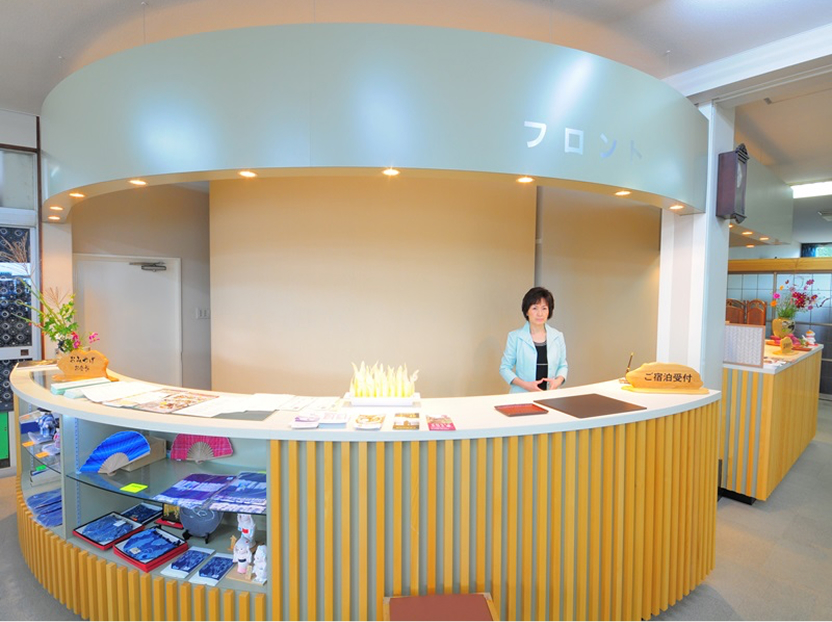
I began managing the inn as its okami—the manager—in my thirties. Having spent years watching my parents, I experienced firsthand everything from the prosperity of the economic bubble era to the challenges of today. Times have changed, and many neighboring businesses have closed their doors, leaving numerous challenges for the area as a tourist destination.I regularly visit local government offices and advocate for improvements to the surroundings of the Earth Pillars. Every time I see the reactions of visitors from elsewhere, I am reminded of the extraordinary value of this natural wonder, which has existed here for over one million years. I feel a strong responsibility to protect it and pass its story on to future generations.
Preserving Food, Hot Springs, and a Spirit of Care
A Commitment to Freshly Prepared Cuisine and a Radon Hot Spring in Harmony with Nature
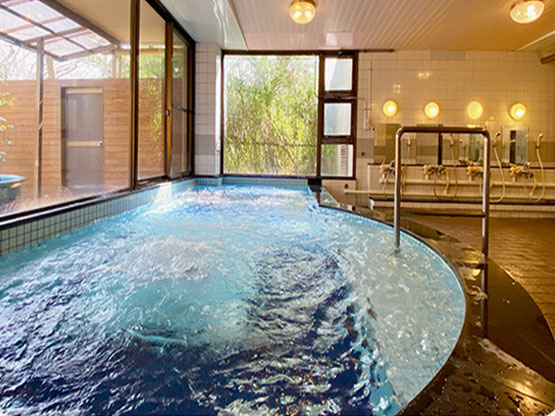
What we value most are the “meals” and “hot springs” that help to ease the fatigue of your travels.
Meals are now overseen by my sons, who returned three years ago and now serve as head chef and assistant proprietress. Rather than preparing food in advance for large groups as we once did, we have shifted to a style that allows us to serve dishes freshly cooked and freshly grilled according to each guest’s pace. We make generous use of local ingredients, including Tokushima’s renowned Awaodori chicken, Awa beef, and seasonal produce, with a strong commitment to locally sourced cuisine. When serving meals, I personally enjoy explaining the ingredients and sharing stories about the region with our guests.
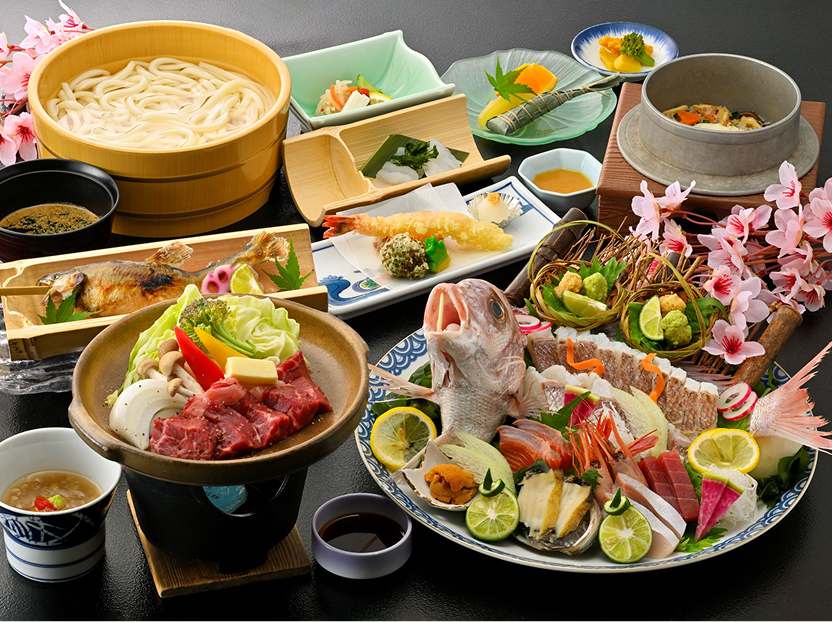
Our cuisine features the flavors of Tokushima and Awa, including our signature Tarai Udon and Dochu Noodles, as well as Awa beef, locally caught sea bream (Naruto sea bream), and wild boar.
Another long-standing tradition at our inn is serving sudachi tea to pilgrims and travelers who have completed long journeys. Made from the peel of Tokushima’s famous sudachi citrus blended with kombu tea, it is best enjoyed with plenty of hot water. The refreshing citrus aroma and gentle saltiness seem to revive the body. Recently, a pilgrim in his seventies who had walked all the way from Temple No. 88, Okuboji, told us it was “the most delicious thing imaginable.” We hope that these small gestures can provide renewed energy for the road ahead.
About the Inn
Dochu Land Shin Onsen — A Peaceful Retreat at the Foot of the World-Famous Awa Earth Pillars
Iyashi no Yado Dochu Land Shin Onsen is a lodging and hot spring facility located beside the Awa Earth Pillars, which are often referred to as one of the “Three Great Natural Wonders,” alongside similar formations in the Rocky Mountains of the United States and the Tyrol region of Italy. Expanded and renovated over several decades since the Showa era, the four-story building has a nostalgic atmosphere and a maze-like charm that makes exploring it an experience in itself. Relax in our therapeutic hot springs and sauna, and enjoy locally sourced cuisine as you recover from the day’s journey.
About Your Stay
Iyashi no Yado Dochu Land Shin Onsen
Visit the official website hereSNS
One example of stay plans
We offer a variety of accommodation plans tailored to your needs. Charges vary depending on the season. Please visit our official website for detail.
- *Bathing tax of ¥200 per person will be charged upon check-out.
Meals
Freshly Prepared Hospitality with the Finest Flavors of Tokushima’s Mountains and Sea
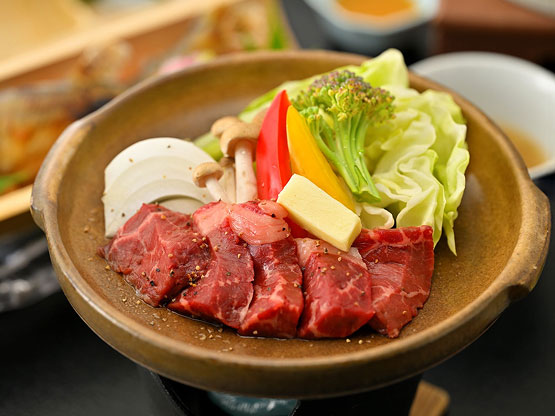
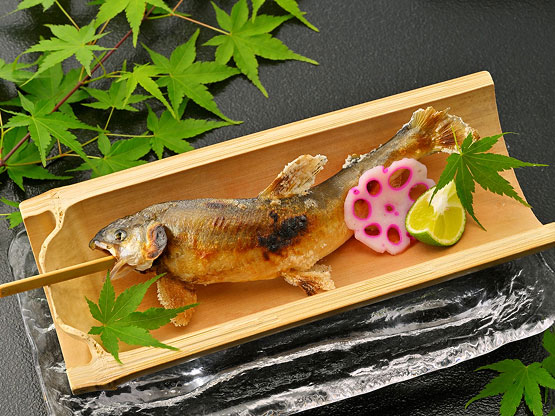
Our head chef, the owner's son, prepares each meal with care, serving freshly cooked and freshly grilled dishes at your own pace. Enjoy Tokushima's signature flavors, including your choice of either our famous Tarai Udon or Dochu Noodles, locally caught Naruto sea bream, premium Awa Odori chicken, Awa beef—one of Japan's finest wagyu brands, awarded the nation's highest prize in 1989—and an abundance of seasonal delicacies from both the mountains and the sea.
・Welcome Drink: Upon arrival, we welcome guests with our signature
Sudachi Tea, featuring the refreshing aroma and gentle tartness of
Tokushima’s famous citrus fruit.
・Dinner: Service begins between 5:30 PM and 7:30 PM / Concludes around
8:30 PM.
Breakfast: Service begins between 7:00 AM and 9:00 AM / Concludes around
9:30 AM.
Check-in / Check-out
- Check-in
- 16:00〜21:00
- Check-out
- Until 10:00
- *Guests booking a one-night stay with dinner and breakfast included are requested to check in by 7:30 PM.
- *Please contact us if you expect to arrive later than scheduled.
- *If you would like to store luggage before check-in, please inquire at the time of booking.
Access
771-1705 165 Sakuranooka, Awa-cho, Awa City, Tokushima(Google Maps)
- ・5 minutes on foot from Awa Parking Area (Awa PA) on the Tokushima Expressway
- ・ About 15 minutes by car from Kirihataji Temple (Temple No. 10)
- ・About 15 minutes by car from JR Awa-Yamakawa Station and JR Anabuki Station
- ・About 50 minutes by car from Tokushima Airport
- ・Free large parking area available (up to 50 vehicles)
Room Features
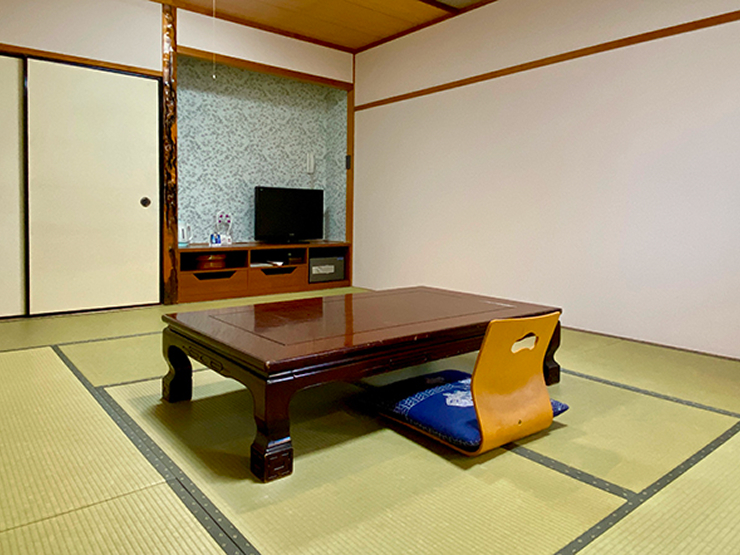
Semi-Open-Air Bath Guest Room 1 (1–4 Guests: 10-Tatami Japanese-Style Room)
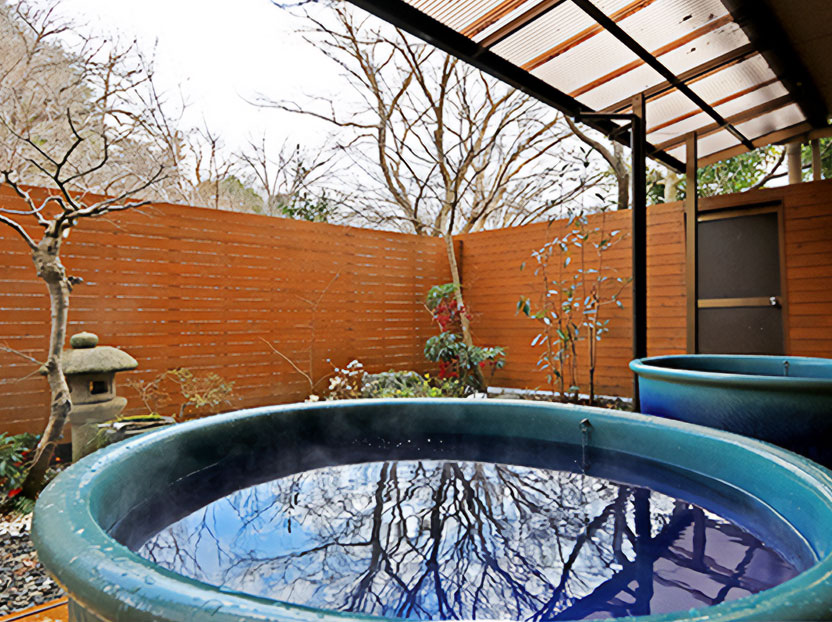
This room features a semi-open-air bath made of traditional Shigaraki ware pottery. Relax in the bath while enjoying the surrounding scenery and soothe away the fatigue of everyday life.
Semi-Open-Air Bath Guest Room 2 (1–4 Guests: 8-Tatami + 4-Tatami Japanese-Style Room)
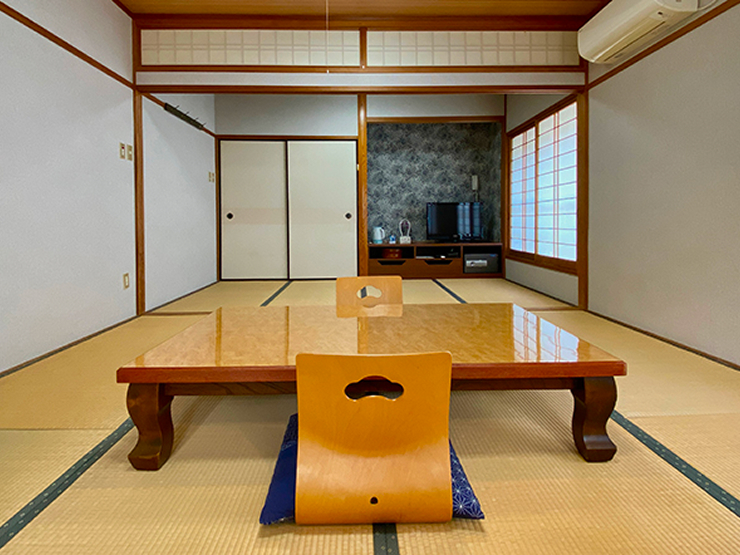
This room features a semi-open-air bath made of traditional Shigaraki ware pottery. Relax in the bath while enjoying the surrounding scenery and soothe away the fatigue of everyday life.
Dining Hall “Satsuki”
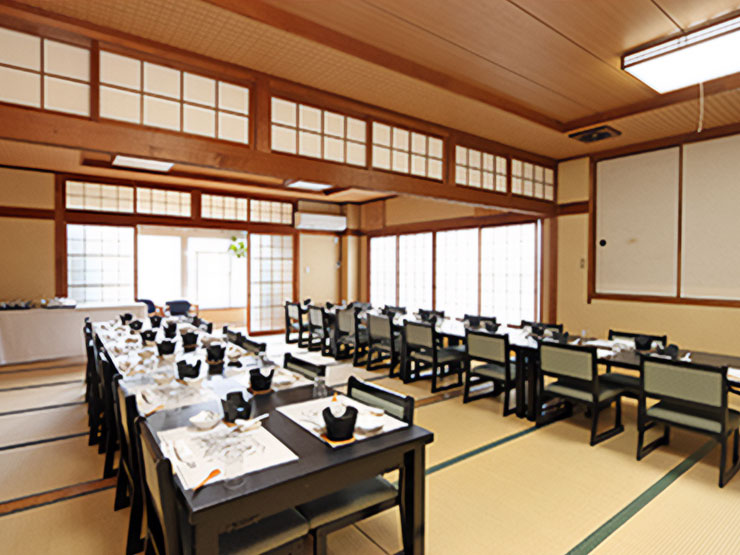
Our cuisine, featuring Tokushima and Awa specialties such as our famous Tarai Udon, Dochu Noodles, Awaodori Chicken, Awa Beef, locally caught sea bream (Naruto Bream), and wild boar, is highly praised by guests from near and far. Please enjoy the flavors of Dochu Land’s cuisine, carefully prepared to bring out the natural taste of each ingredient.
Deepen your experience
Nearby attractions
Horinji Temple (Temple No. 9)
Kobo Daishi Kukai encountered a white snake at this location—one of the animals said to have gathered in sorrow at the time of the Buddha’s passing. He subsequently carved a reclining statue of the Buddha (Nehan Statue) and enshrined it here as the principal deity of the temple.
About 20 minutes by carAwa Earth Pillars (Awa no Dochu)
A nationally designated Natural Monument, renowned as one of the “Three Great Natural Wonders of the World,” alongside the Rocky Mountains in the United States and the Tyrol region of Italy.
About 2 minutes on footUdatsu Historic Townscape
A historic district preserving the traditional streetscape built by indigo merchants
About 15 minutes by carPhoto gallery
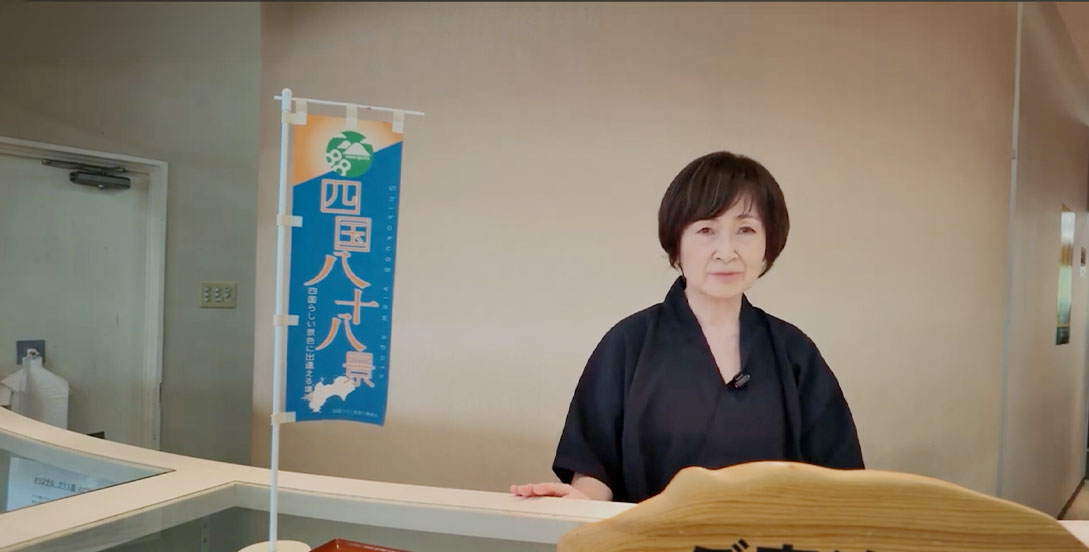
Interview video
More henro inn interviews
-
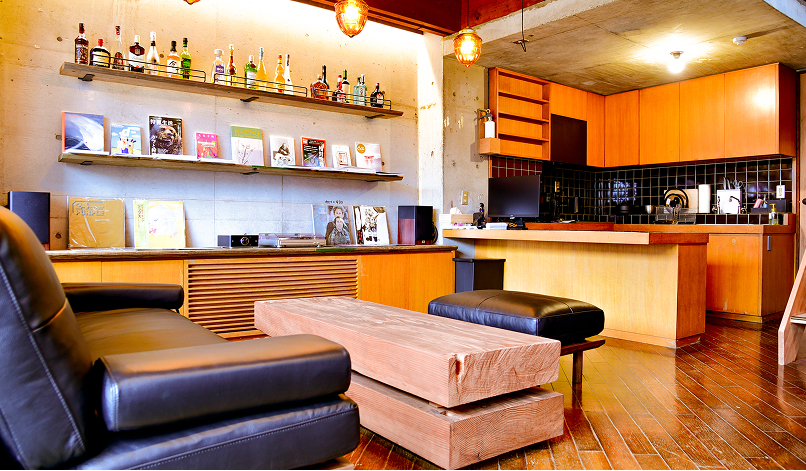
Tosa Gyoen STAY UWU - Near Temple No. 31, Chikurinji
A ryokan with 60 years of history opens up a “decentralized hotel” where you can travel as if living in everyday Kochi
Read the article
-
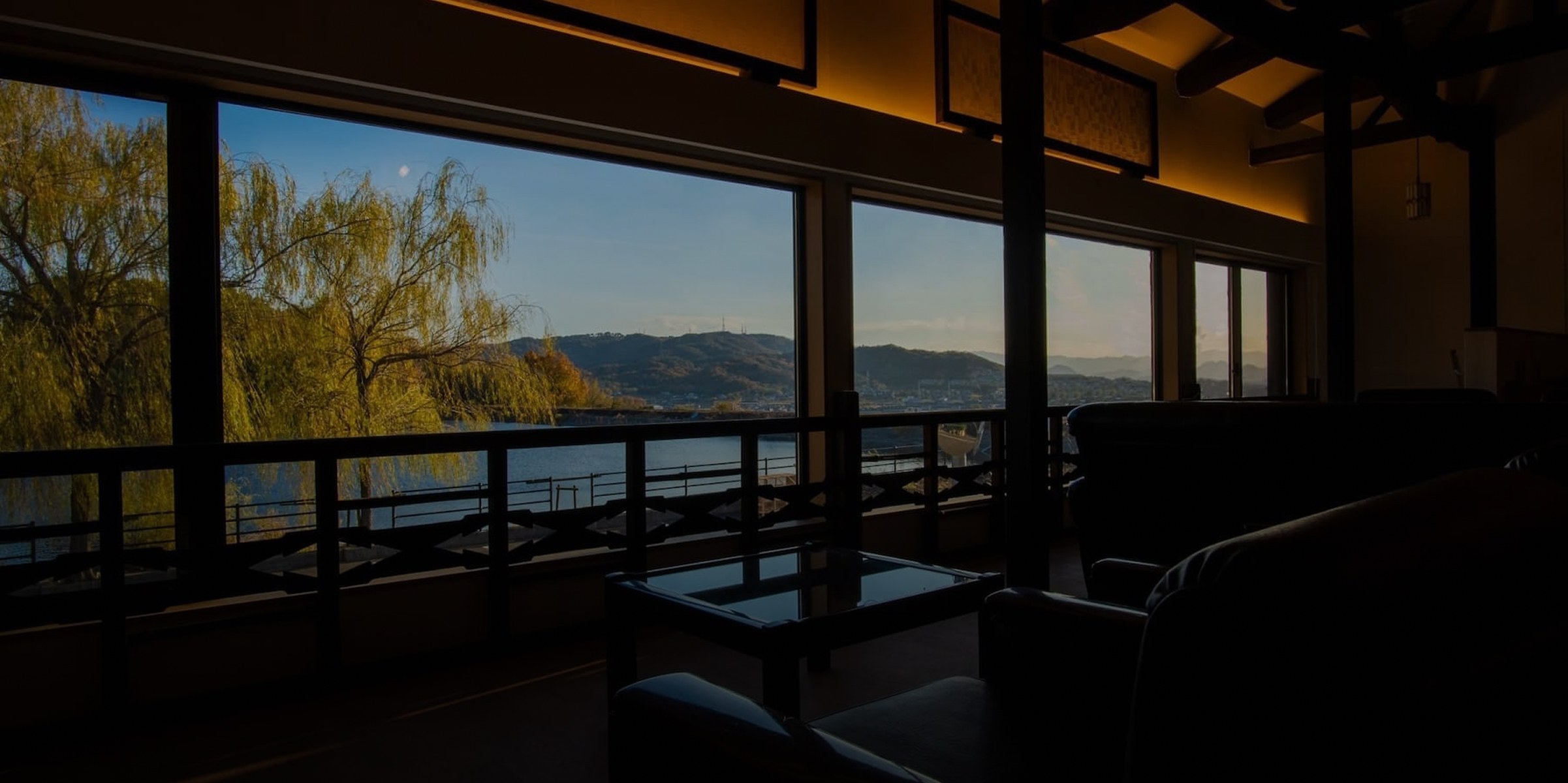
Near Temple No. 85, Yakuirji, and Temple No. 86, Shidoji
Carrying a 220-year legacy, weaving the philosophy of Kukai into the present
——an accommodation that welcomes the world through art and intellect.Read the article