

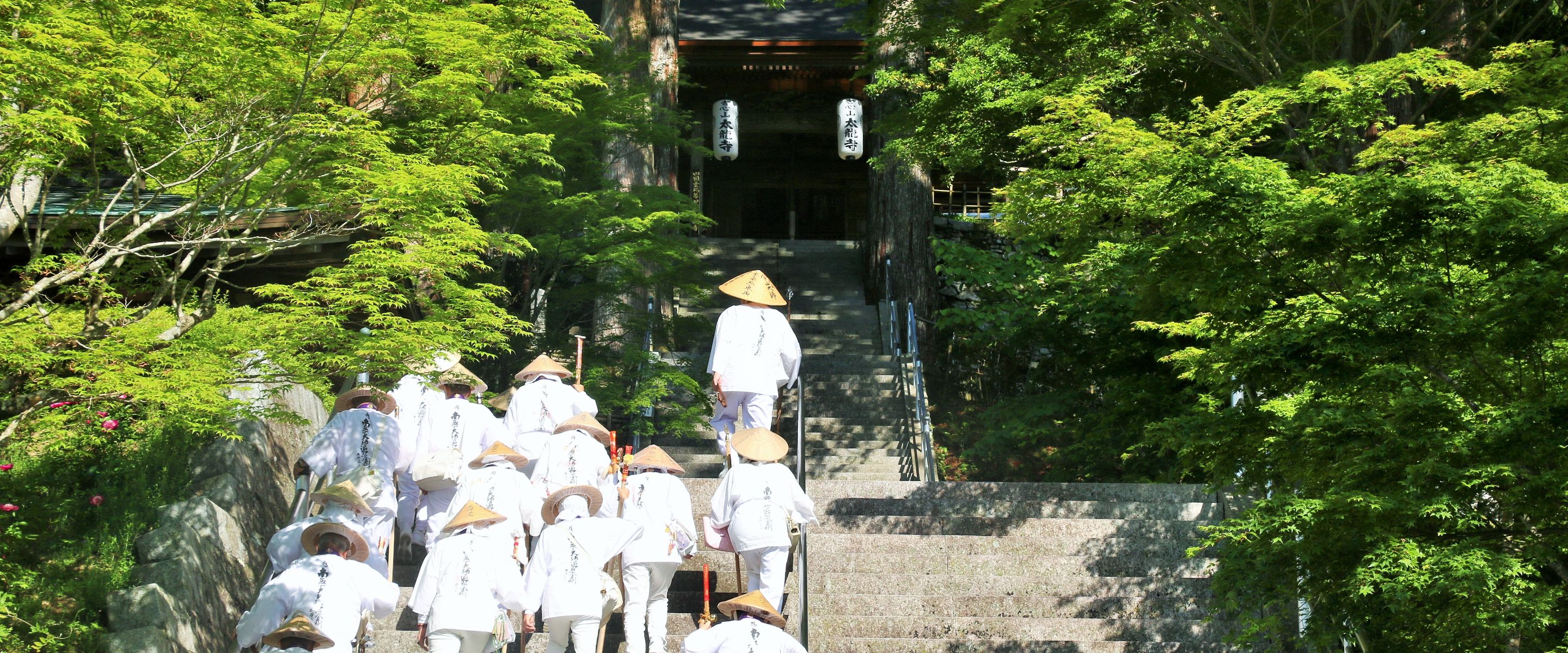
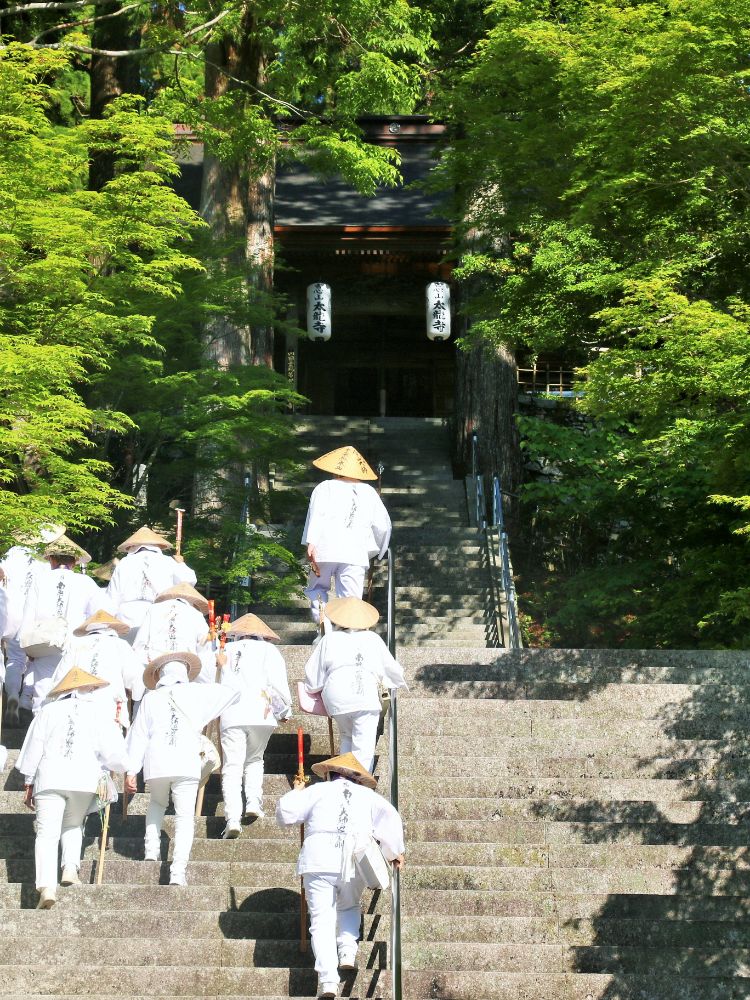
Charting the Path: 88 Sacred Sites
View introductory videos for all 88 pilgrimage sites, special interviews with the head priests, and detailed information on each temple.
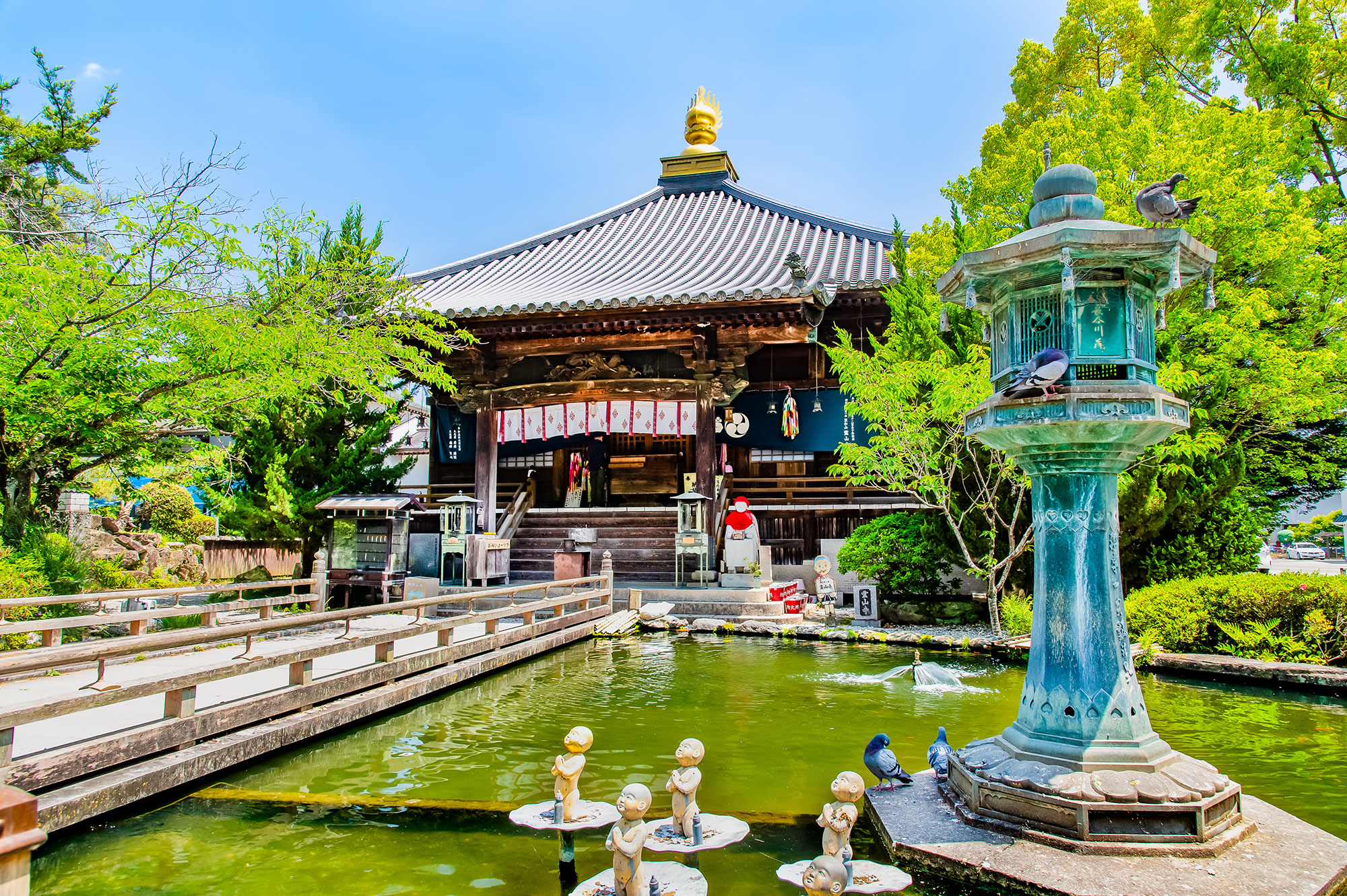
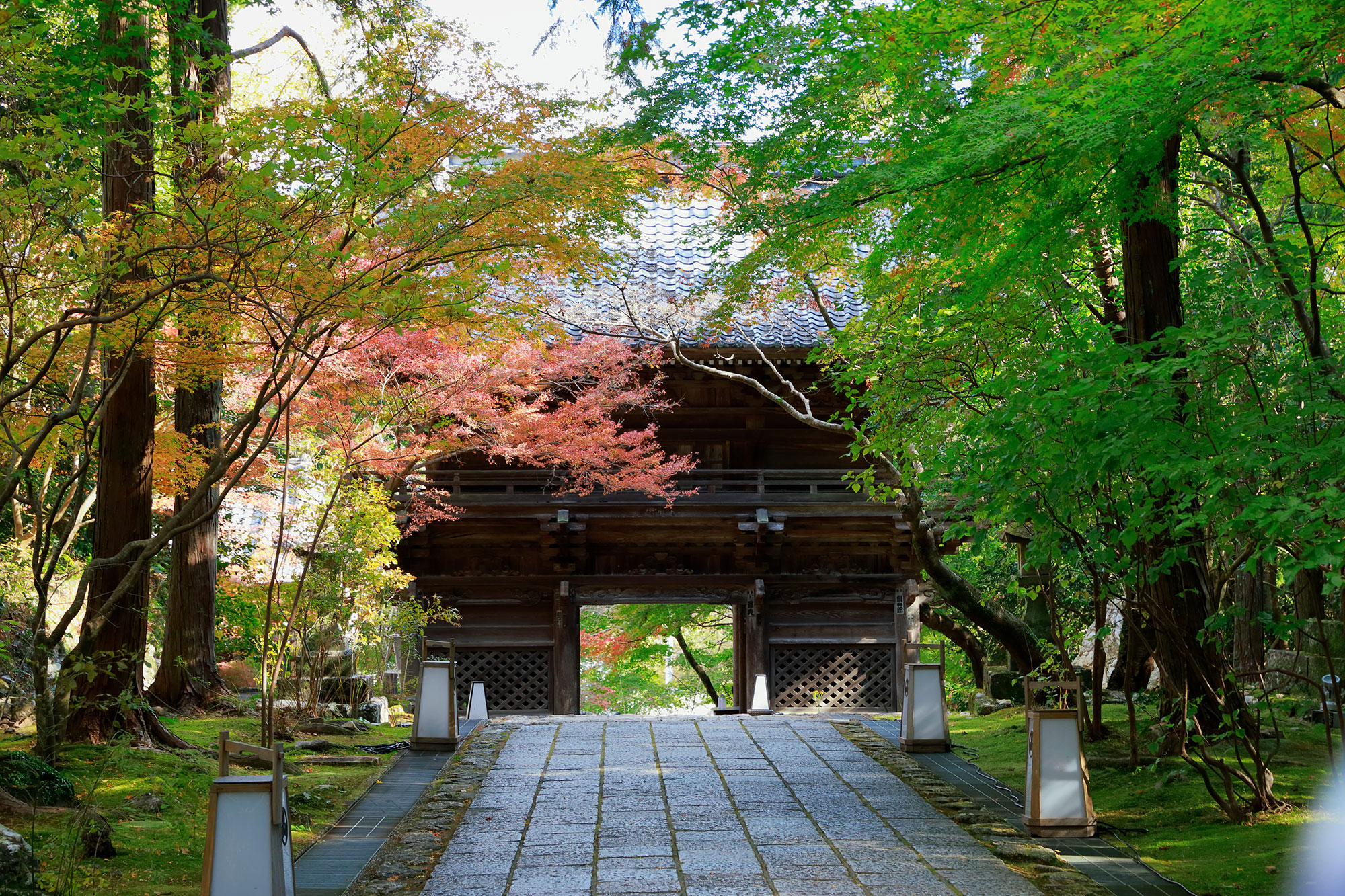
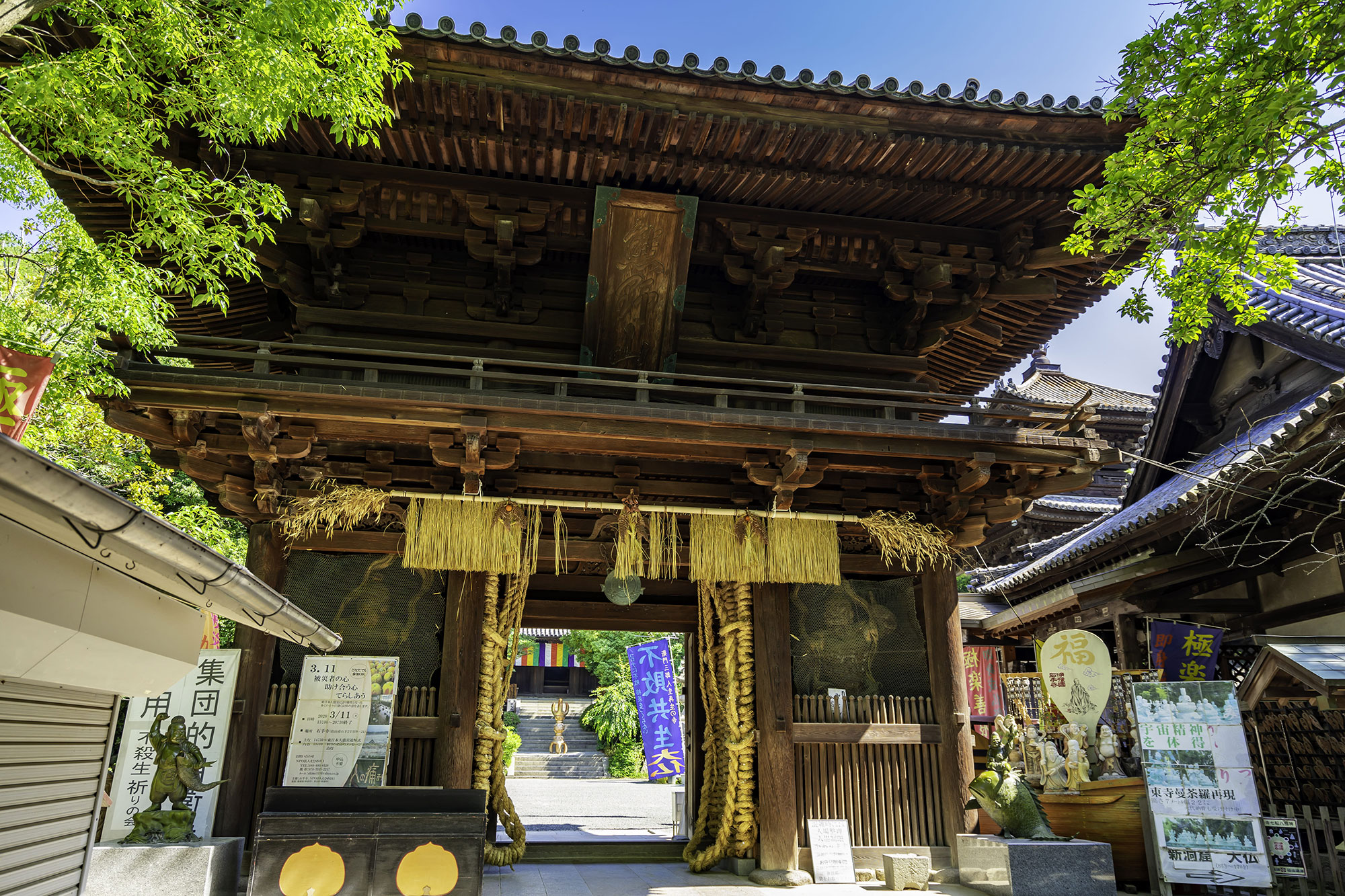
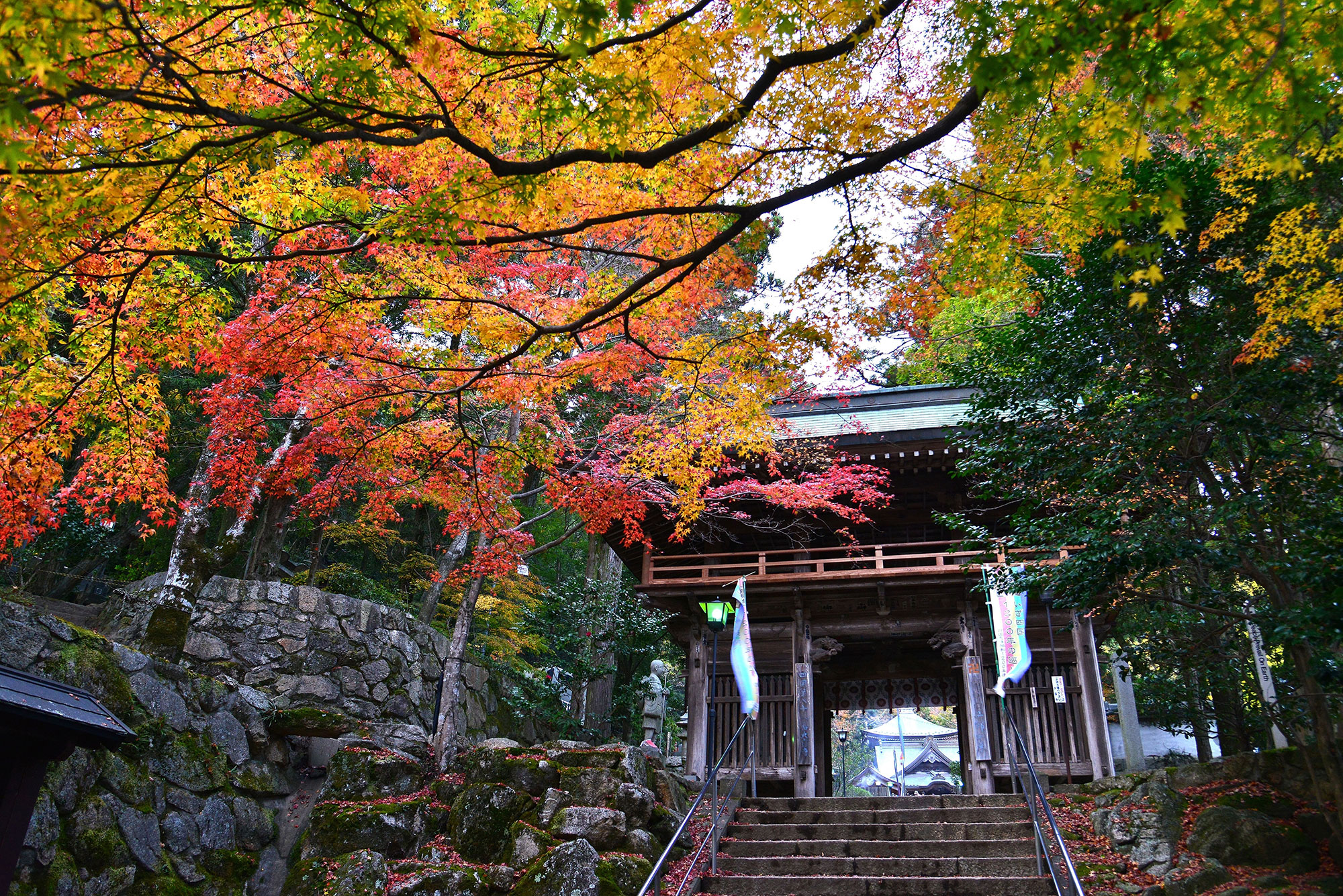
Experience the 88 Pilgrimage Temples
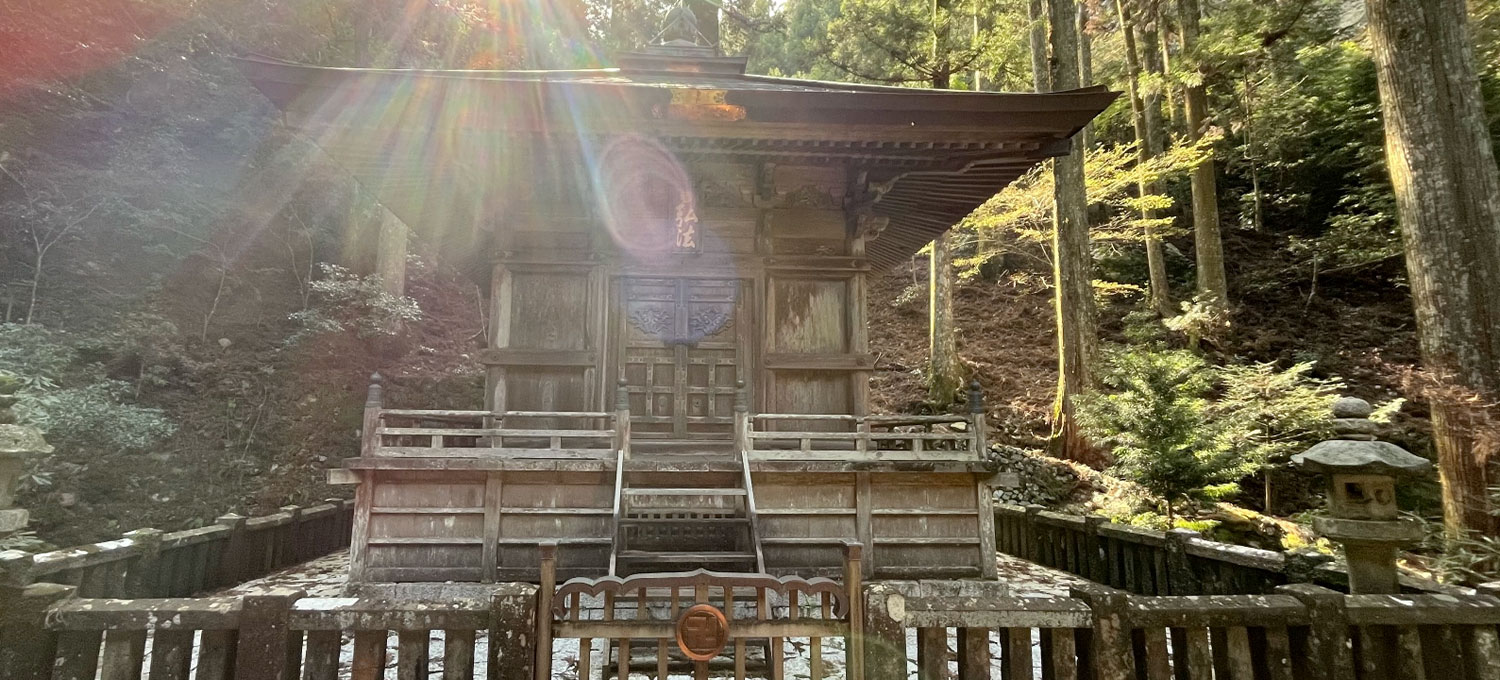
Experience the charm of pilgrimage through the serene atmosphere of the temples, the surrounding scenery, and the words of the head priest. Aura and sentiments that can only be conveyed through film reveal the profound depth of the pilgrimage.
-
Where History and Scenery Converge: Temple Videos
Through a series of videos, we invite you to experience the timeless presence of ancient temples and the tranquil passage of time within its walls. The beauty of its architecture, the changing scenery of the four seasons, and the soft, shifting light will allow you to sense the atmosphere woven by history. Step away from the hustle and bustle, calm your mind, and enjoy a moment of peace and relaxation.
-
Calm Your Mind: Videos by the Head Priest
We deliver the teachings and reflections of the head priest by calming imagery. As you encounter the sentiments embedded in his words and the stories behind them, we invite you to enjoy a moment of pause, as if you had stopped briefly along a pilgrimage. Listen to the quiet narration and embrace a moment of self-reflection.
Sign up free to deepen your pilgrimage experience
By registering as a member
- ・You can download an original postcard.
- ・You can watch all videos to the end.
- ・You can save temples to your favorites.
- ・After watching all pilgrimage site videos, you can download an original viewing certificate.
Encountering the Pilgrimage: Its Charm
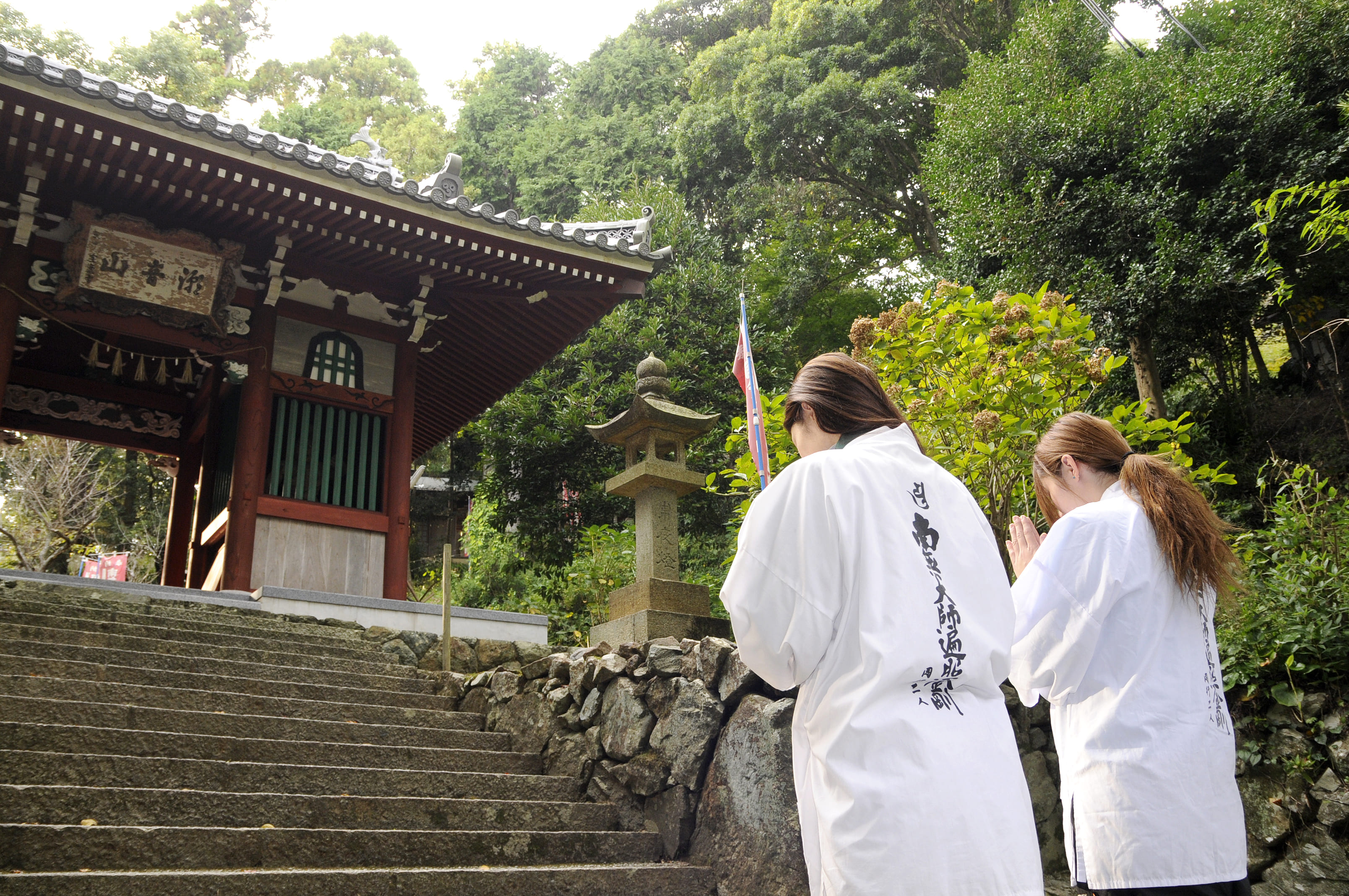
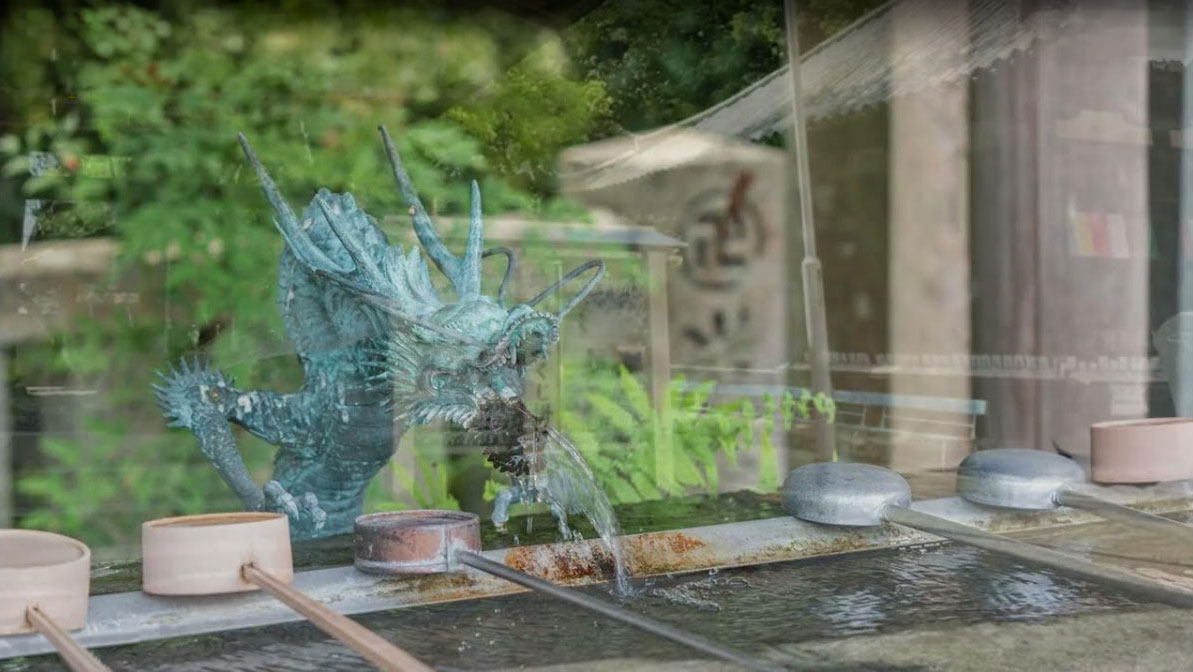
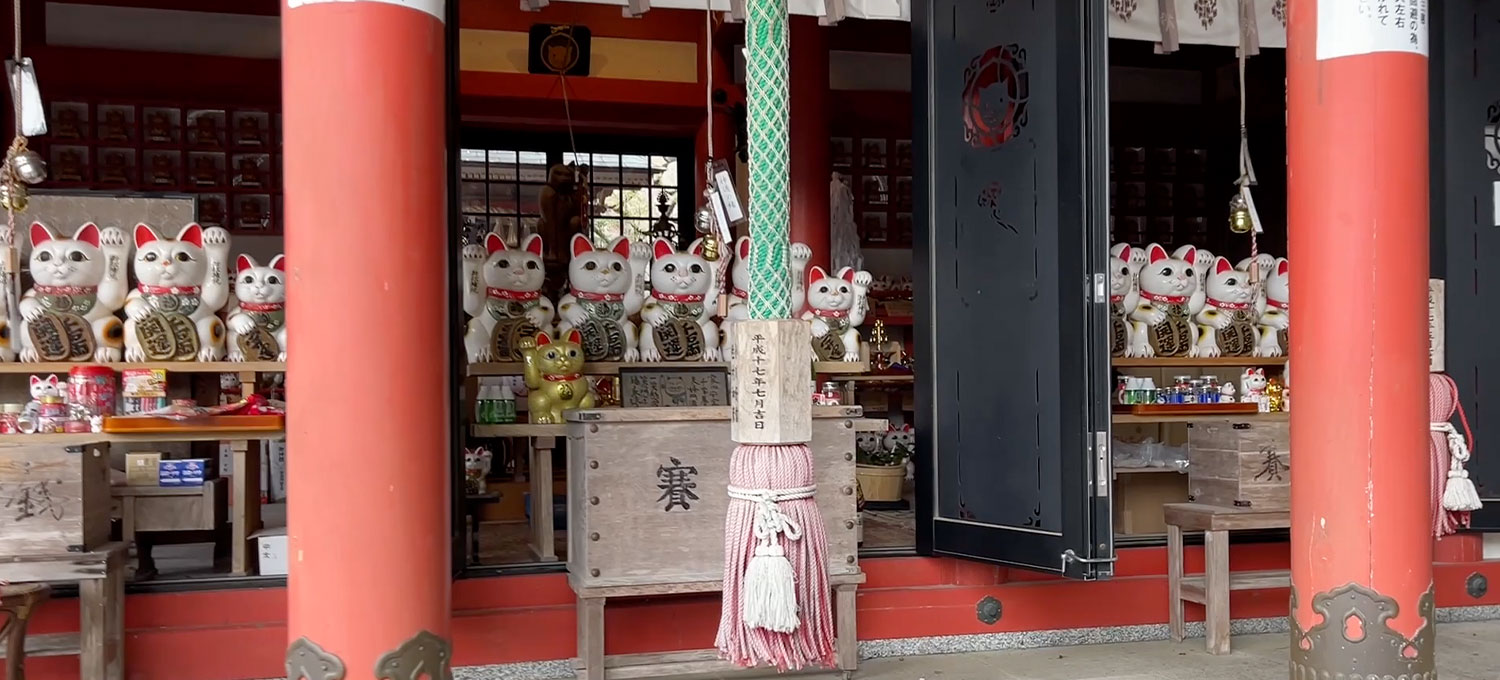
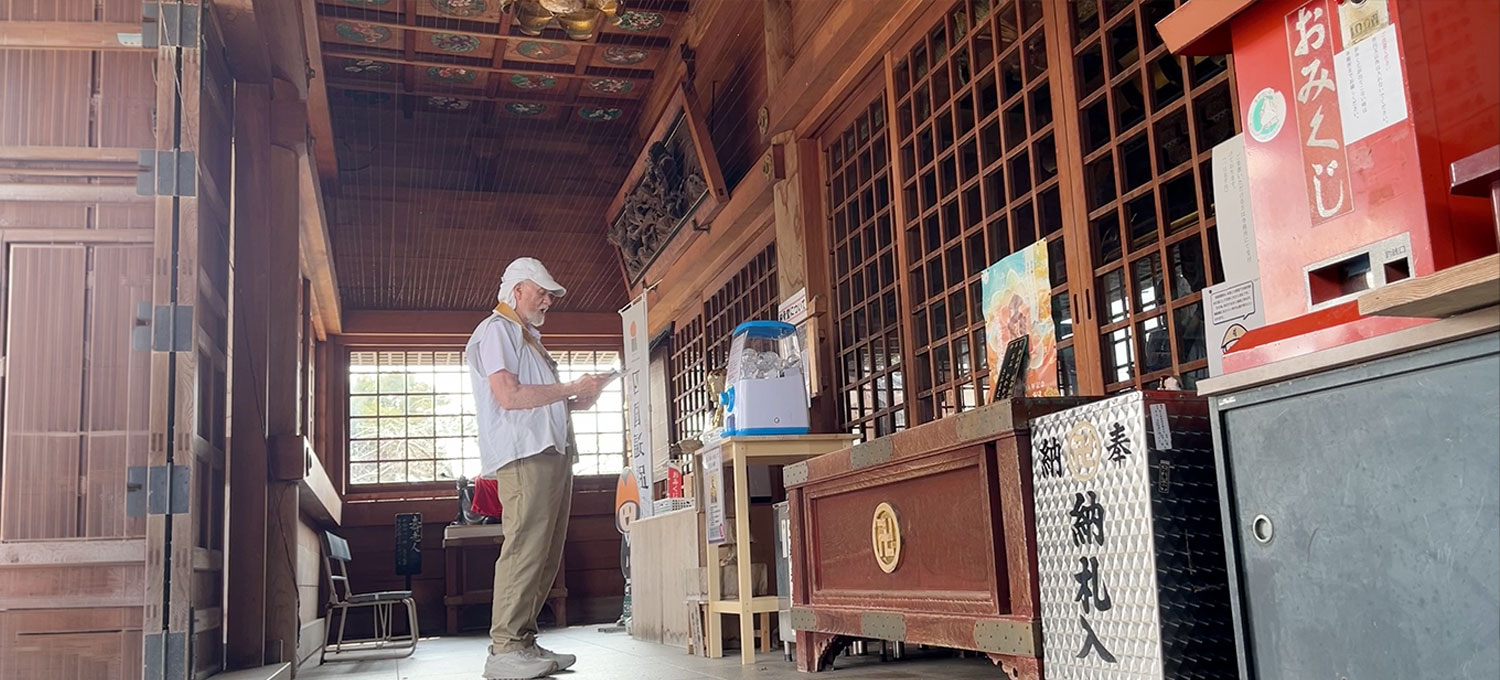
We present a video introducing the Japanese pilgrimage tradition known as “Ohenro,” covering its history, customs, and basic knowledge from the perspective of first-time pilgrims,as well as the spiritual aspects and meaningful encounters revealed through interviews with international pilgrims.
-
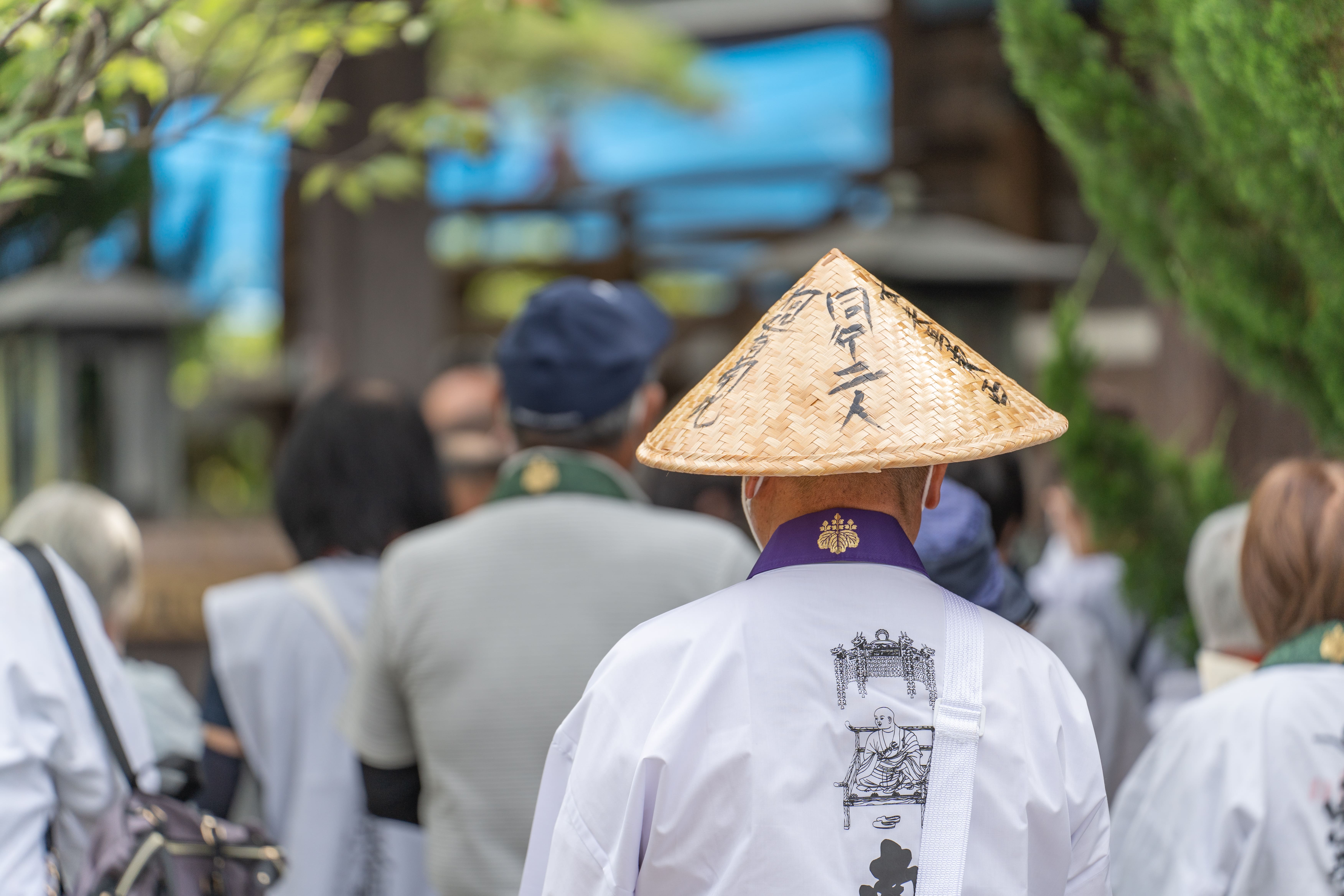
Basic Knowledge
We provide clear explanations on the history of the pilgrimage, the connection between Kobo Daishi and the sacred sites, pilgrim attire and etiquette—such as the white robe and the kongozue staff—as well as how to obtain a nokyocho (stamp book) and goshuin (temple stamps), making it easy to understand even for first-time pilgrims.
View more -
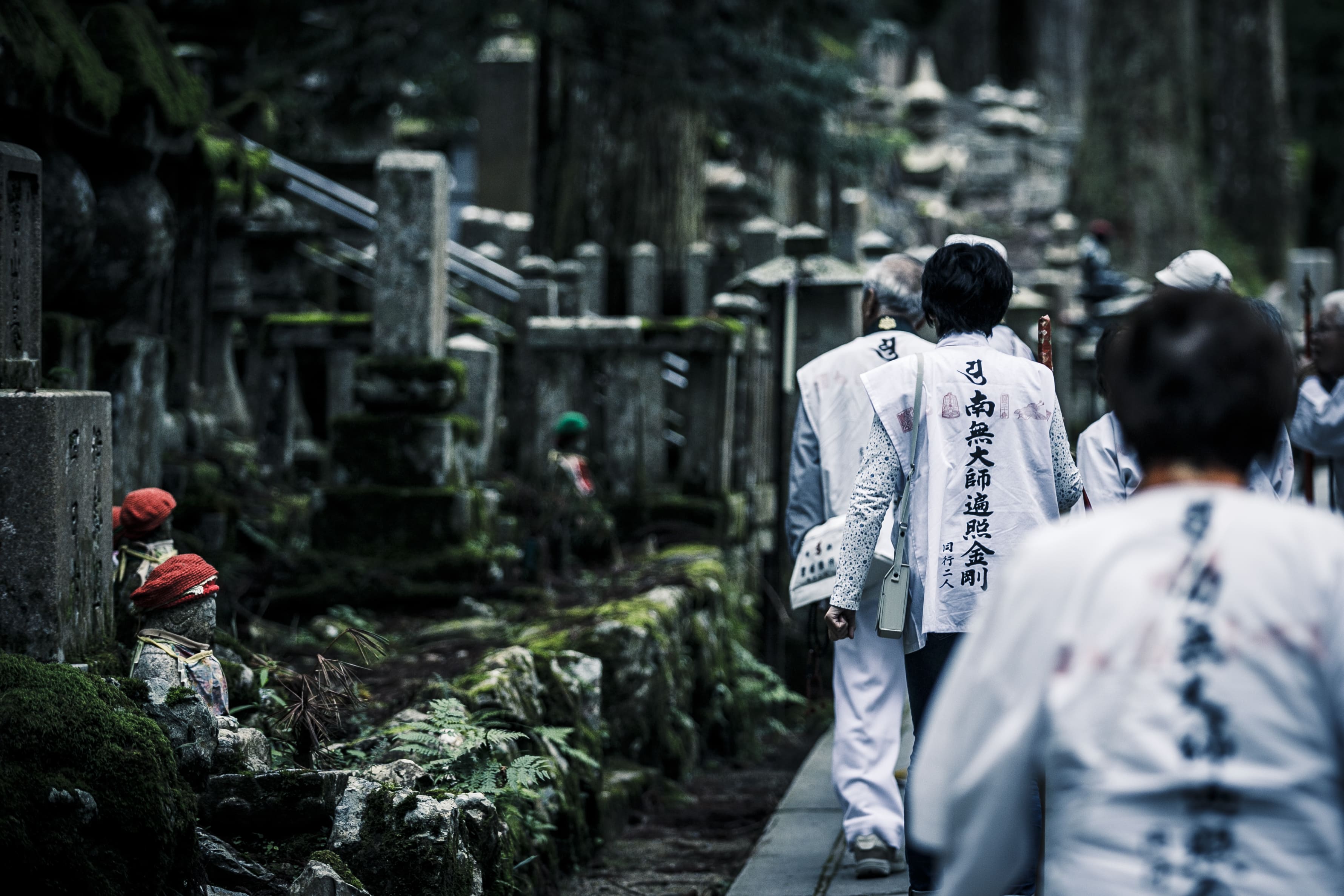
Special Contents
These insights will allow you to rediscover the timeless charm of the pilgrimage. As a bridge for sharing Japanese culture with the world, we invite you to enjoy this unique content.
View more
Interview with Inns Welcoming Pilgrims
Interview videos featuring inns and lodgings near the pilgrimage sites welcoming travelers.
-
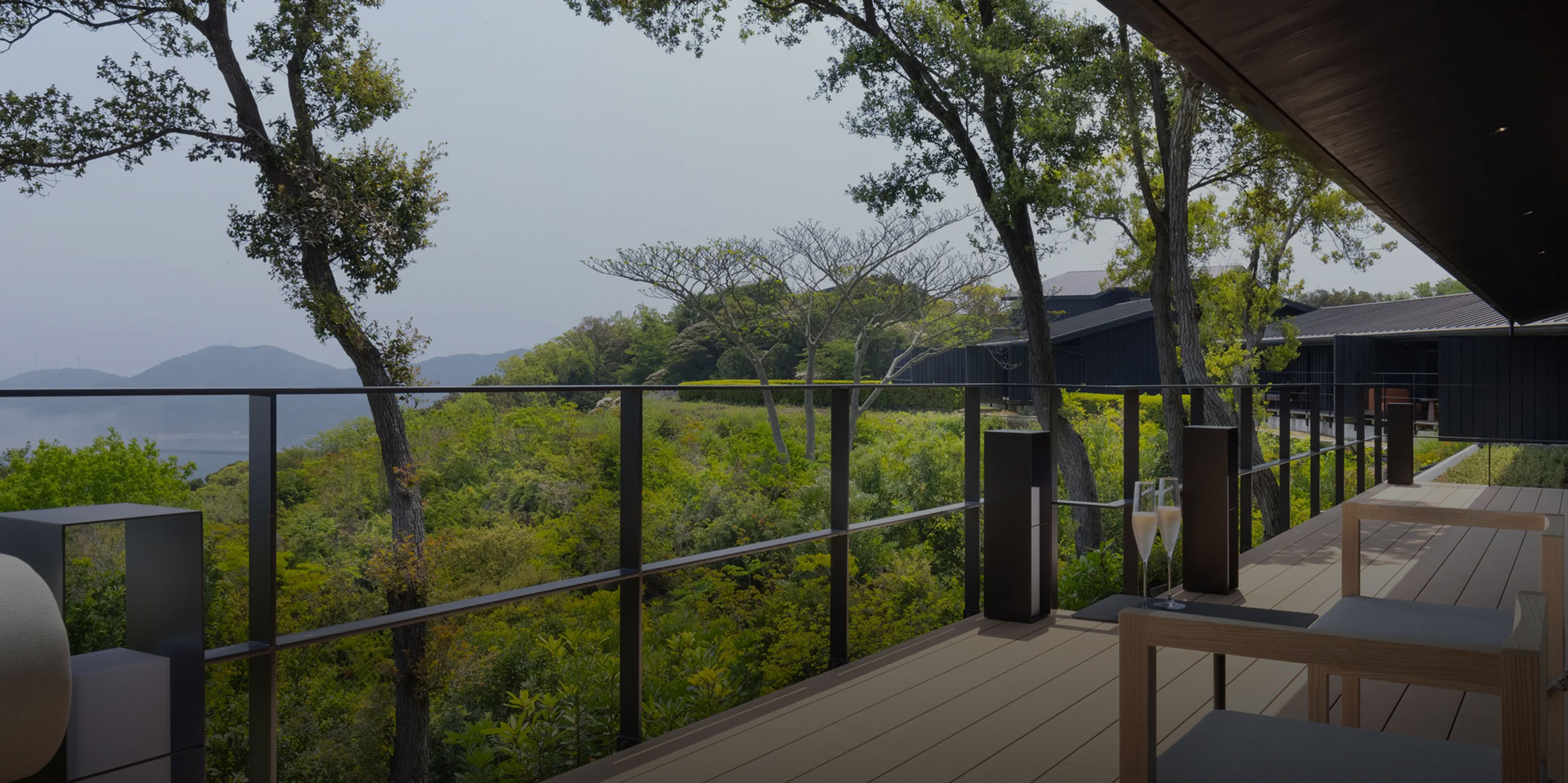 TOKUSIHMA
For Pilgrimage Preparation & Renewal
A Hidden Retreat of Just Nine Villas Overlooking the Seto Inland Sea
——Leave the Everyday Behind and Experience Hospitality That Delights All Five SensesHotel Ridge
-
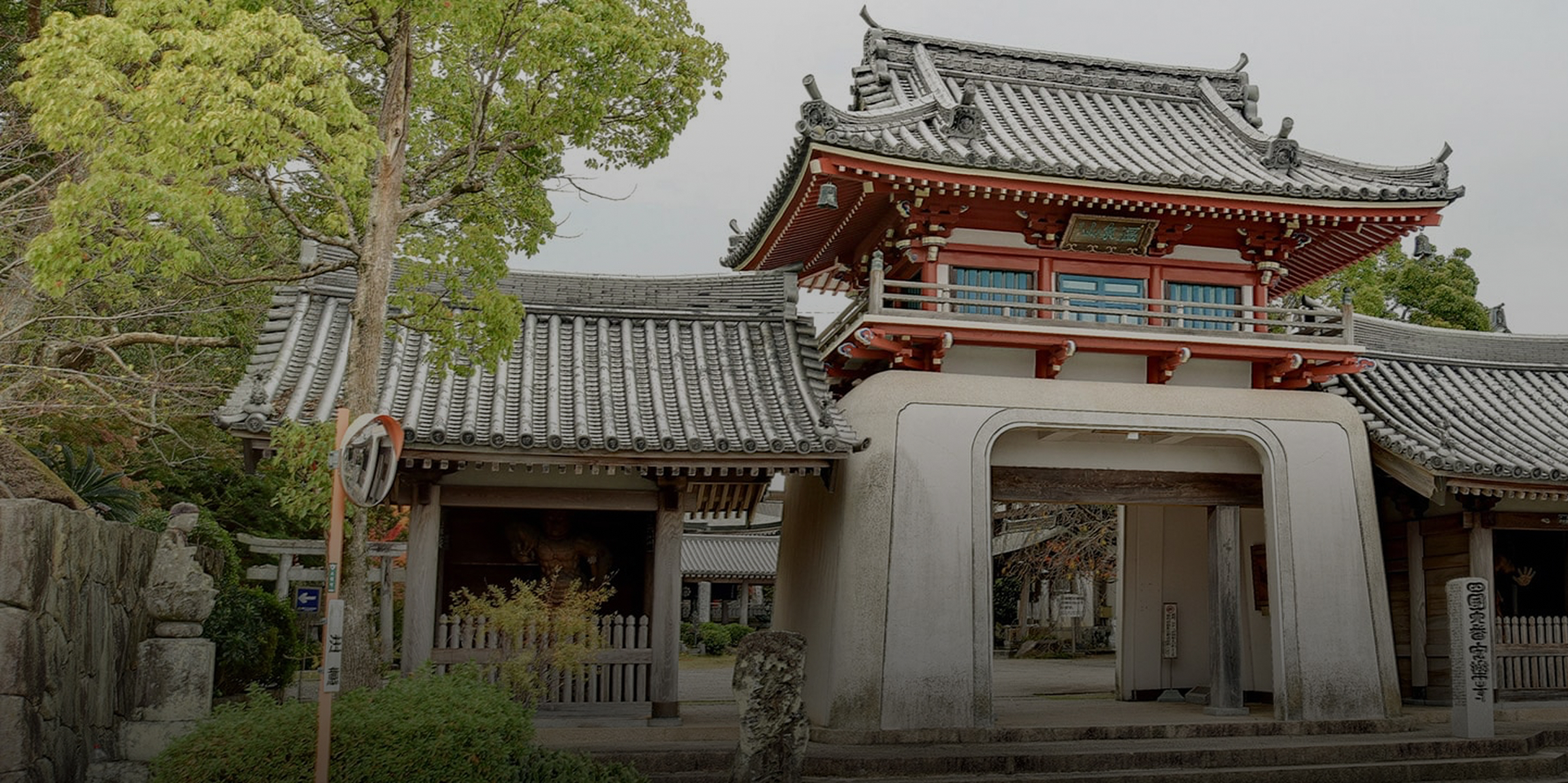 TOKUSIMA
Located within Temple No.6 Anrakuji
A 1200-year-old sacred spring and a night to experience teachings
—— A temple lodging that warmly welcomes “the beginning of the Pilgrimage”Anraku-ji Temple Lodging
-
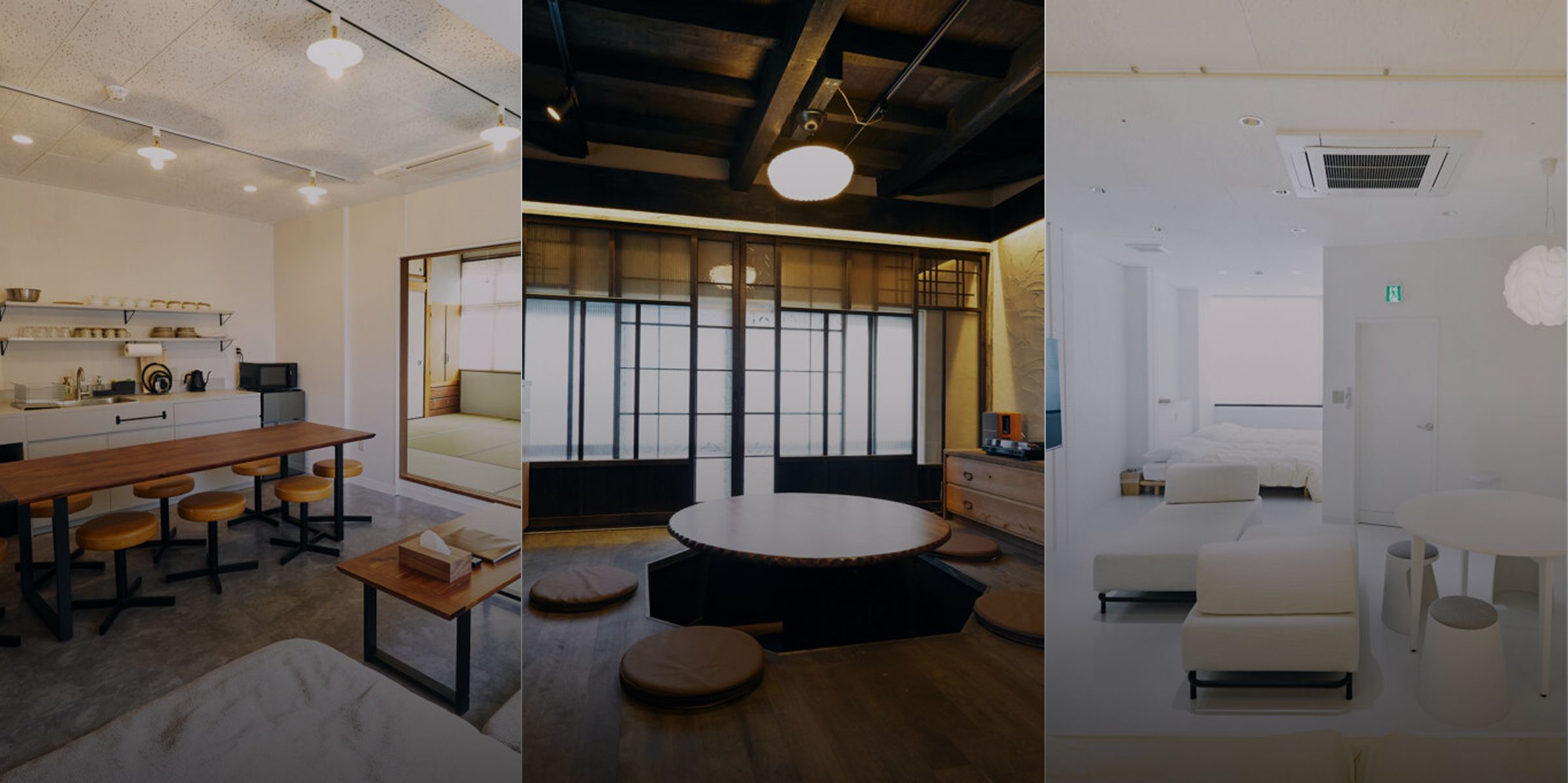 KOUCHI
Near the 31th temple, Chikurinji
A ryokan with 60 years of history opens up a “decentralized hotel” where you can travel as if living in everyday Kochi
Tosa Gyoen STAY UWU
-
 KOUCHI
Near the 36th temple, Shoryuji
Golden-hued hot spring born from Kobo Daishi’s revelation and evolving spirit of “kindness”
A new kind of pilgrim accommodation, accompanying travelersTosaryu Onsen Sanyo-so
-
 EHIME
EHIMENear the 44th temple, Daihoji
Reflecting on Japan's architectural history, from the Meiji era to today
Chinryutei Omogo Ryokan
-
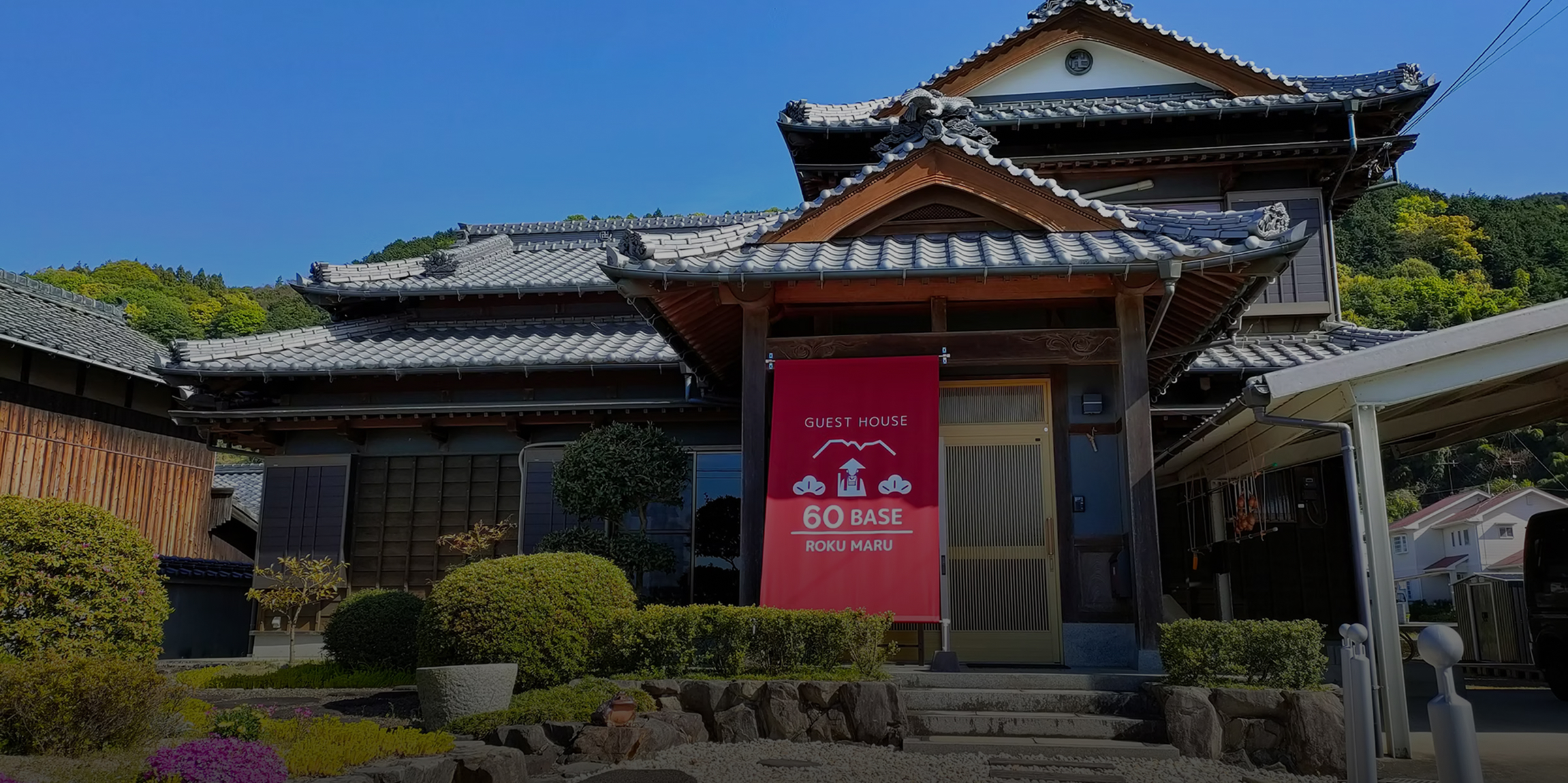 EHIME
EHIMENear Temple No. 60, Yokomineji
A plate from the home garden and time for conversation
——Passing the “spirit of osettai” on to the next generationGuesthouse 60 BASE
-
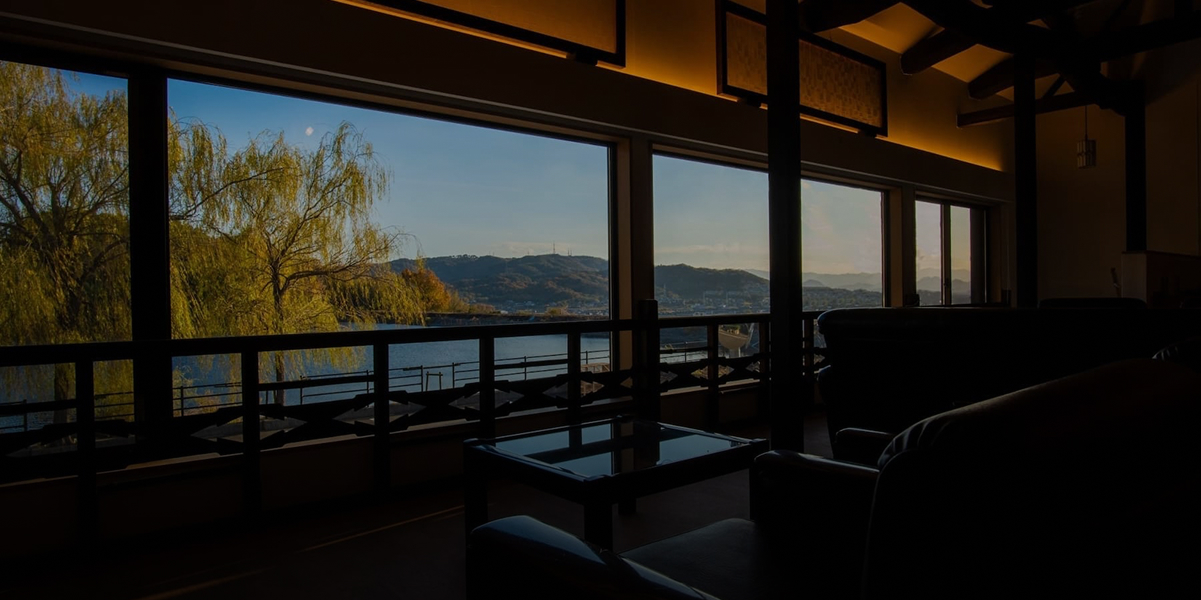 KAGAWA
Near Temple No.85 Yakuriji and Temple No.86 Shidoji
Revive an architecture built in 1924 to reserve a 220-year history and legacy
Onyado Takayanagi
-
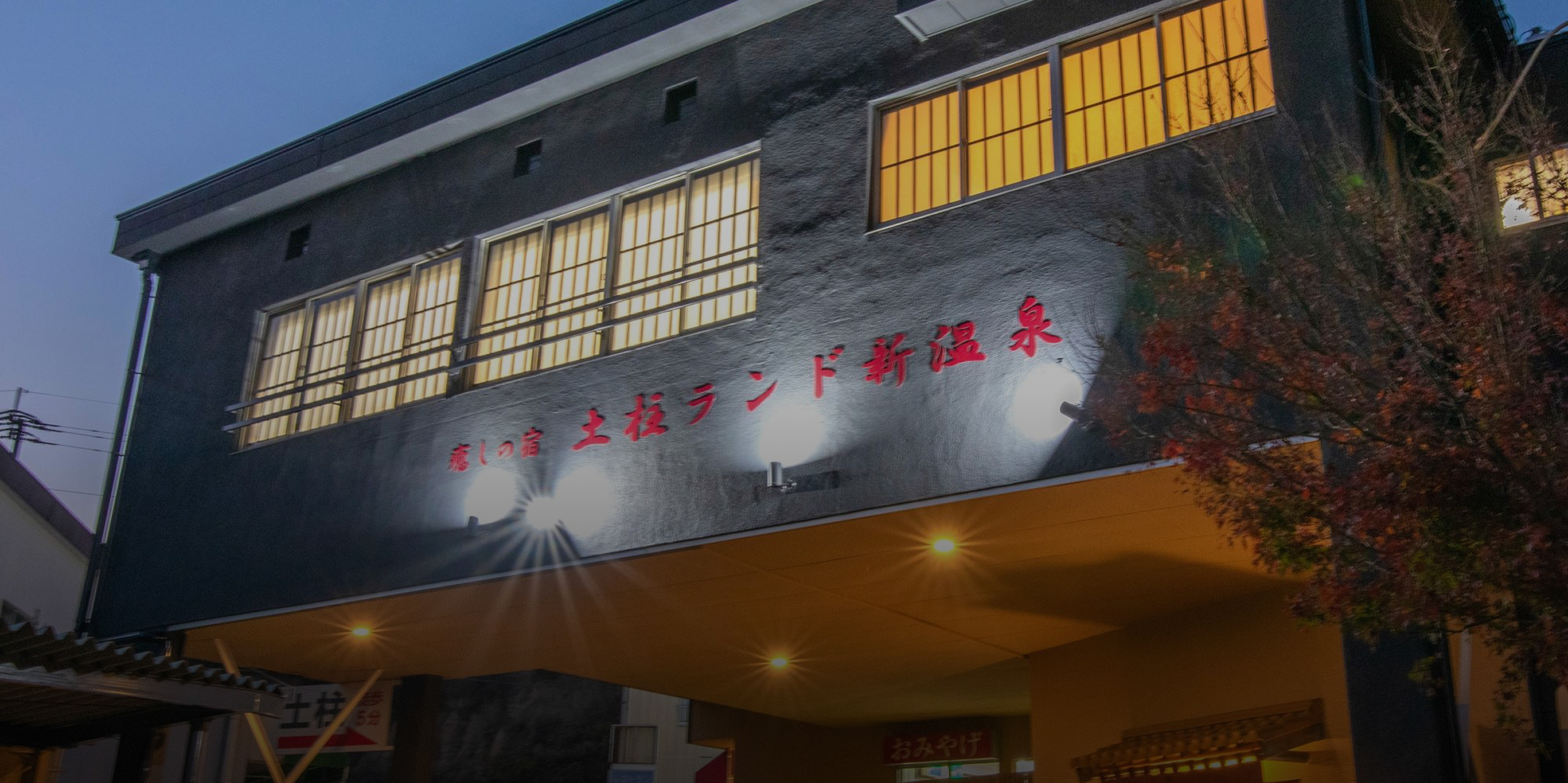 KAGAWA
Near Temple No. 9, Horinji
A single inn that began in an undeveloped woodland.Growing alongside the world-renowned earth pillars of Dochu, it continues to soothe travelers with the blessings of nature and the bonds of family.
yashi no Yado Dochu Land Shin Onsen
-
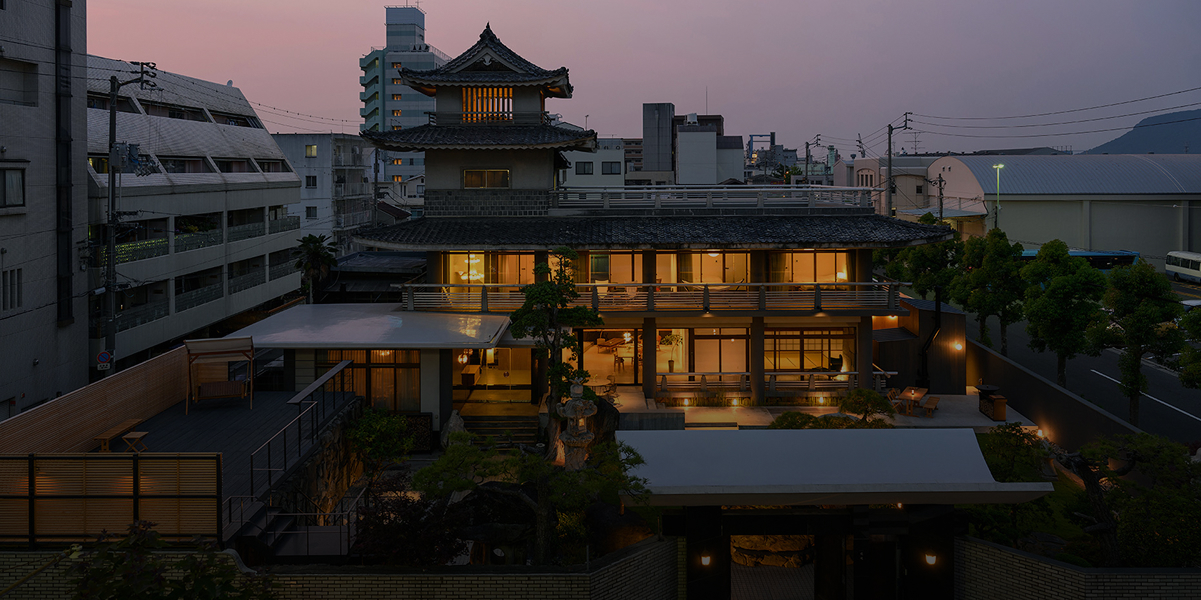 KAGAWA
Near Temple No. 31, Chikurinji
Hreistoric Japanese garden and refined living spaces a residence that deeply connects the local community and travelers while passing on the culture of the Seto Inland Sea.
anabuki-tei
Pilgrimage Glossary
This glossary provides clear explanations of terms related to the Shikoku Pilgrimage, along with their historical context.
Please use this guide to deepen your understanding of the pilgrimage sites, proper etiquette, and pilgrimage culture, and to enrich your journey.
- Amida Buddha (Amida Nyorai)
- The Buddha of Infinite Light and Life, ruler of the Pure Land. Believed to guide those who recite his name into paradise after death. One of the most widely venerated Buddhas in Japan.
- Salvation (Kyūsai)
- The act by which a Buddha or Bodhisattva removes suffering and guides sentient beings toward enlightenment and peace.
- Ohenro (Shikoku Pilgrimage) (Ohenro)
- The pilgrimage to the 88 sacred temples of Shikoku associated with Kobo Daishi, or the pilgrims who make this journey.
- Ascetic Practice (Kugyō)
- Intense spiritual training that involves enduring physical and mental hardship to cut off earthly desires and draw closer to enlightenment.
- Osamefuda (Name Slip) (Osamefuda)
- A slip of paper on which pilgrims write their name, address, and wishes, then offer at each temple as proof of their visit.
- Prayer (Kigan)
- The act of praying to a Buddha or deity for a specific wish to come true.
- Kyahan (Leg Wraps) (Kyahan)
- Traditional cloth wrappings worn around the lower leg and foot during long-distance walking on the pilgrimage road.
- Kyohon (Sutra Book) (Kyōhon)
- A booklet containing the Buddhist sutras recited at each of the 88 temples on the pilgrimage.
- Stone Steps (Ishidan)
- Stone stairways leading up to temples. Many pilgrimage temples have long, steep stone staircases that must be climbed to reach the main hall.
- Covered Corridor (Kairō)
- A roofed walkway connecting the various buildings within a temple complex.
- Emperor Kanmu (Kanmu Tennō)
- Emperor of Japan (r. 781–806), who moved the capital to Kyoto (Heian-kyo) in 794. An important patron of early Japanese Buddhism who supported Saicho and Kukai.
- Gyoki (Gyōki)
- A Buddhist monk of the Nara period (668–749) who traveled throughout Japan building roads, bridges, and temples. Regarded as a bodhisattva-like figure by the common people.
- Anti-Buddhist Movement (Haibutsu Kishaku)
- The suppression and destruction of Buddhism carried out in the early Meiji period (late 1860s–1870s) as part of a government policy to separate Shinto from Buddhism and establish Shinto as the state religion.
- Meiji Restoration (Meiji Ishin)
- The political revolution of 1868 that restored imperial rule in Japan and set the country on a path of rapid modernization and Westernization.
- National Treasure (Kokuhō)
- The highest designation for culturally significant properties in Japan, granted to objects of exceptional historical and artistic value.
- Historic Site (Shiseki)
- A location designated by the government for its historical significance, including ruins, old roads, and archaeological sites.
Latest Updates
Explore Japan’s pilgrimage culture, the “Ohenro,” through its history, traditions, and the perspective of a first-time pilgrim.
Discover the spiritual depth invisible before setting out, and the charm of the encounters you’ll have along the way.