Owner who refused to erase time
Revive an architecture built in 1924 to reserve a 220-year history and legacy
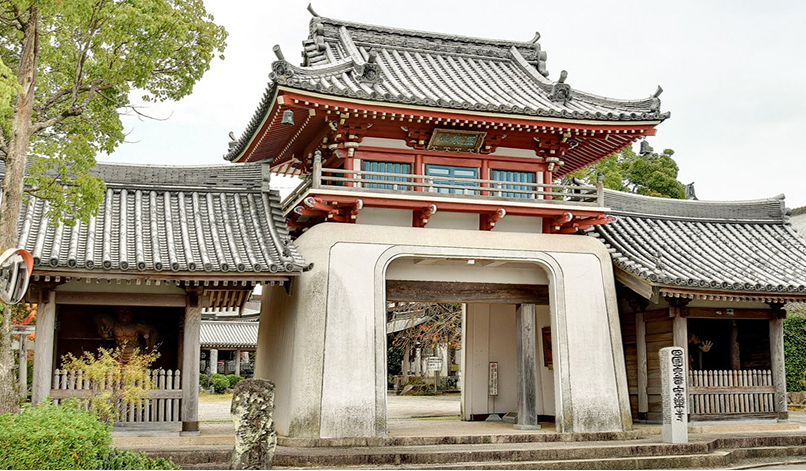
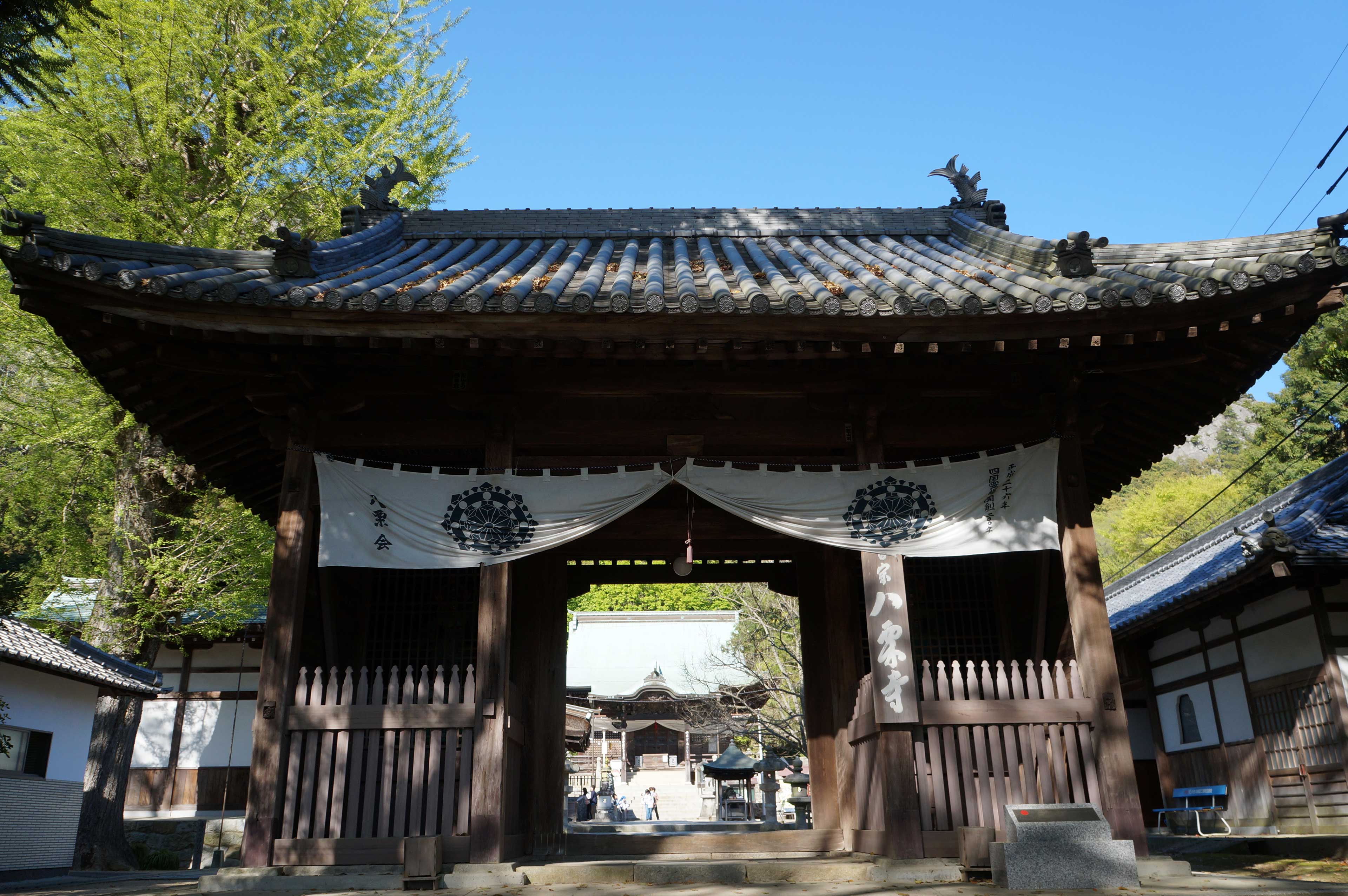
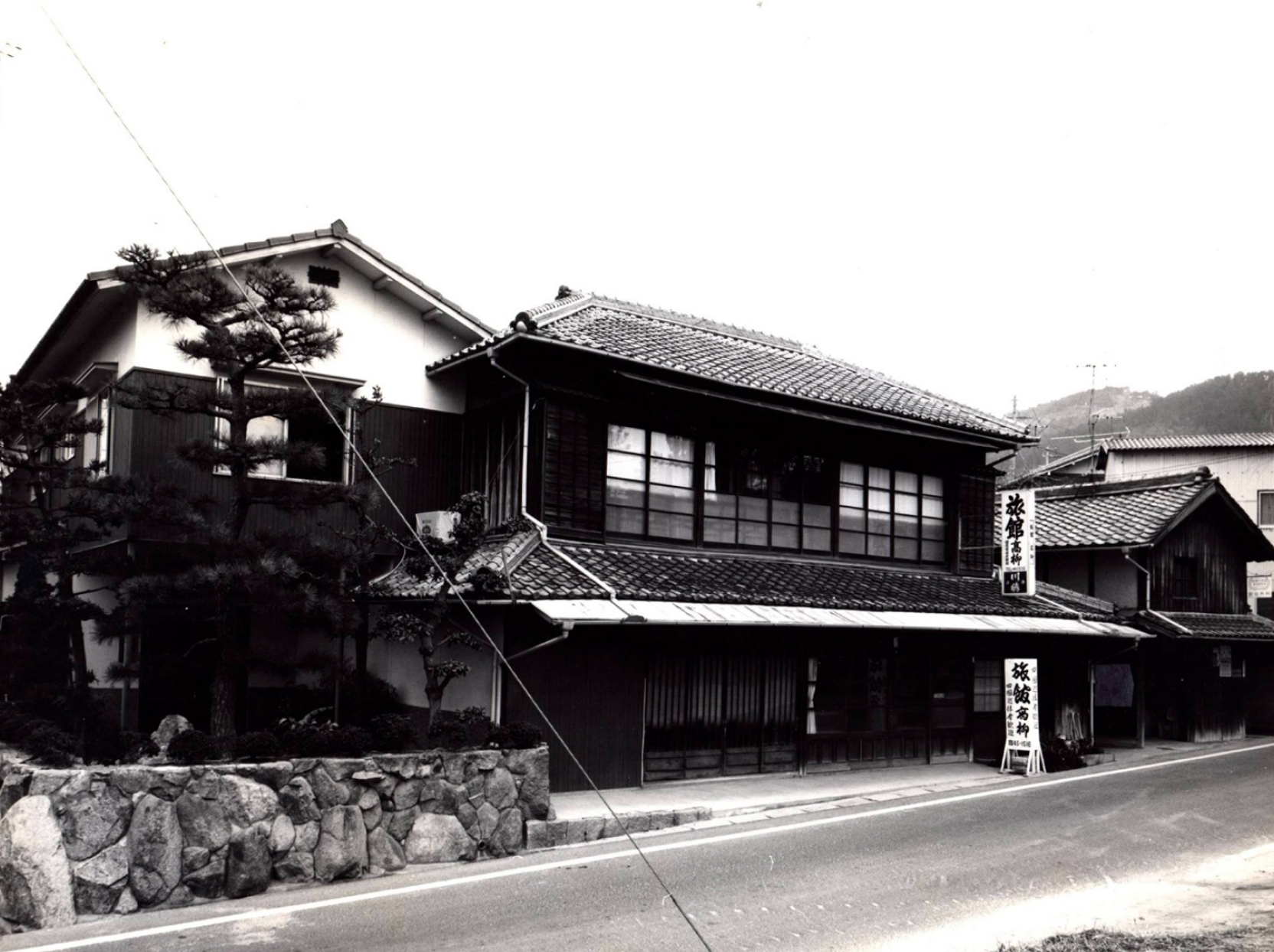
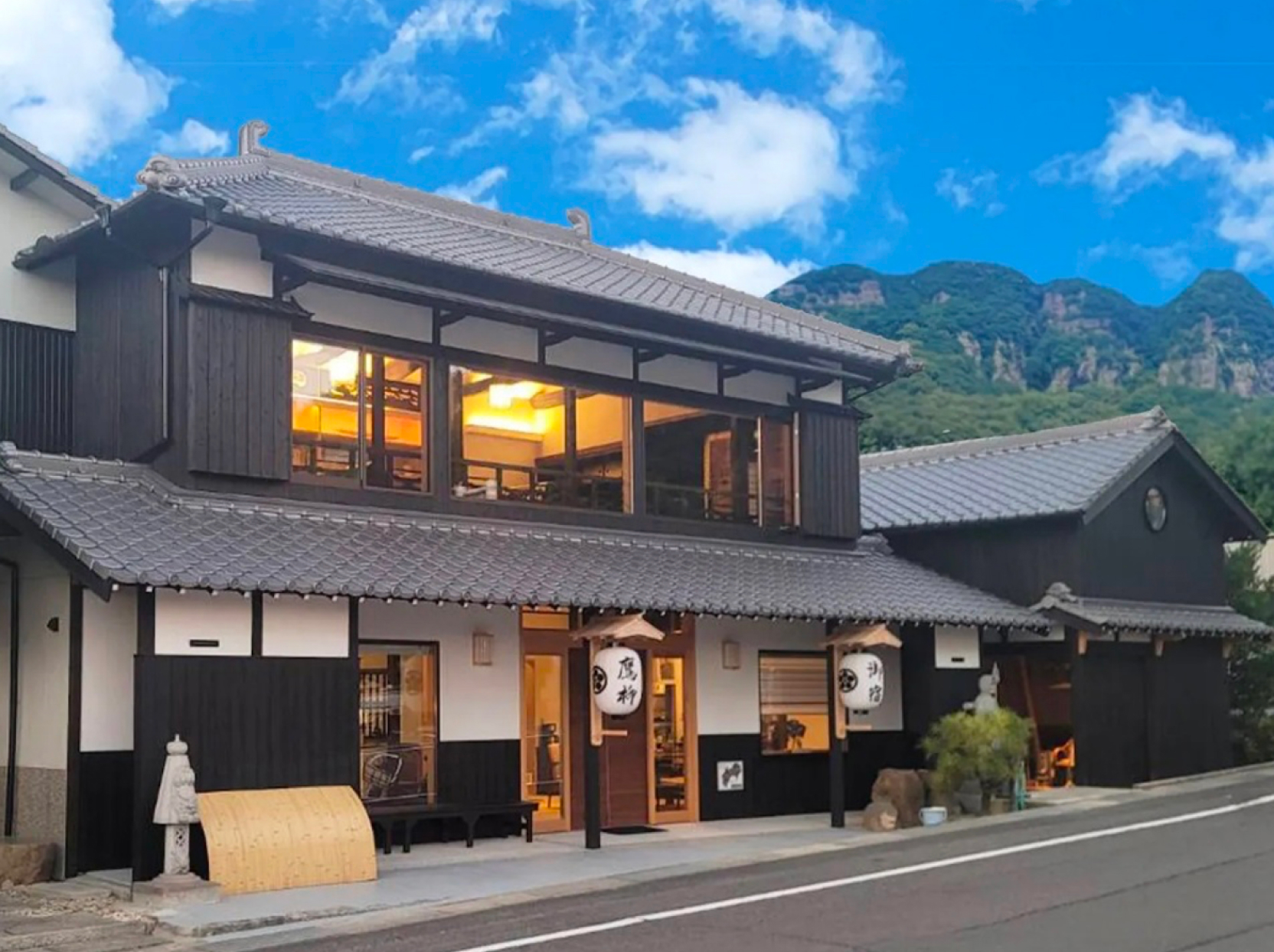
Located along the approach to Yakuriji Temple, the 85th sacred site of the 88 temples of Shikoku pilgrimage, Onyado Takayanagi began as a teahouse over 220 years ago. For generations, the family has welcomed pilgrims and has grown into a historic accommodation. In 1924, the female head of the family established the first full-scale ryokan building on this site. Since then, countless pilgrims have recovered from their travel fatigue under its roof.
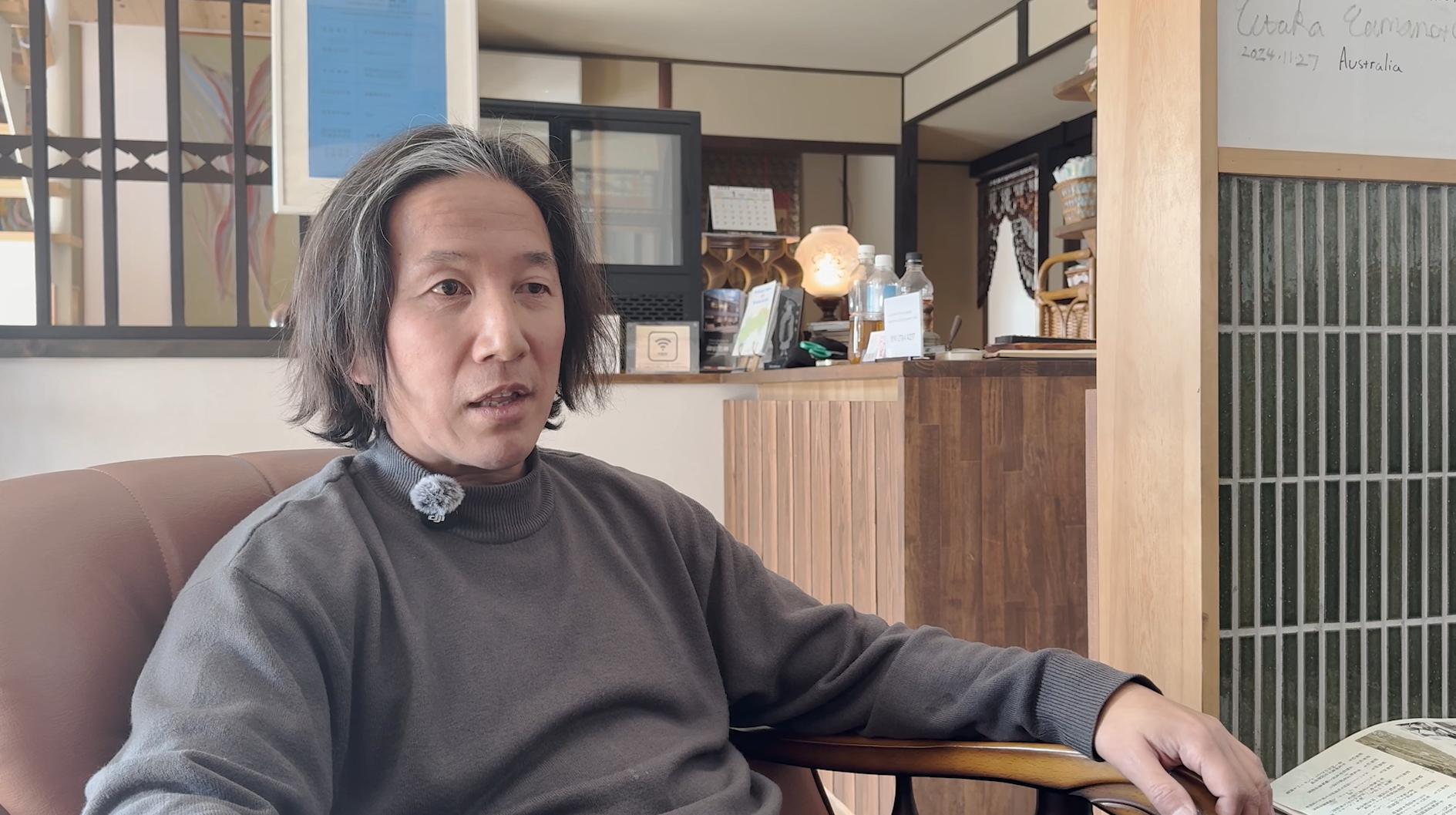
The current owner, Shin Takahashi, is the seventh-generation owner. What he inherited, however, was not only a proud history. The building, weathered by time, had deteriorated to the point where demolition seemed inevitable. Yet Takahashi refused to let it be demolished. That is because this building itself embodied its 220-year legacy—an invisible yet enduring symbol of trust and achievement.
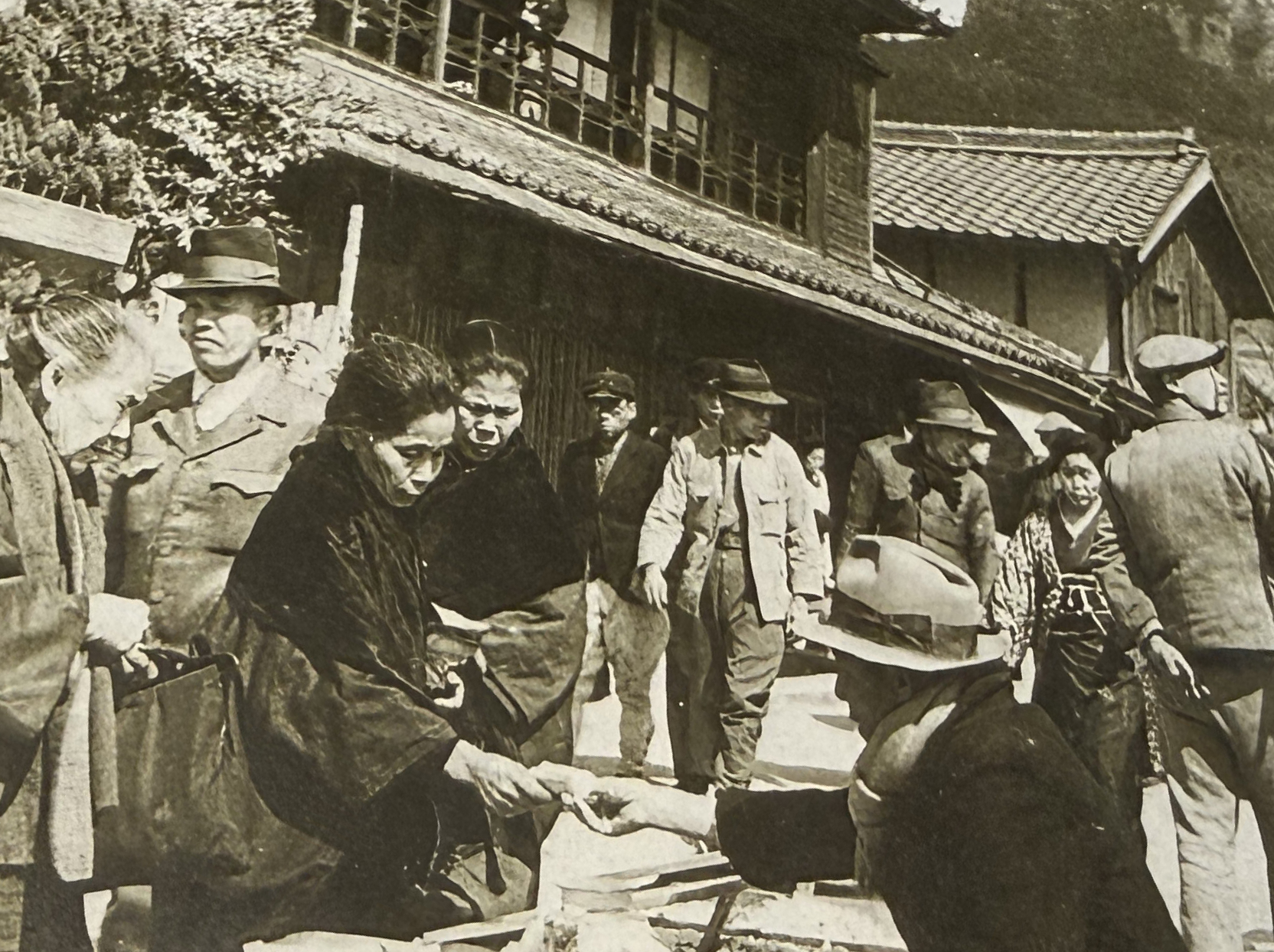
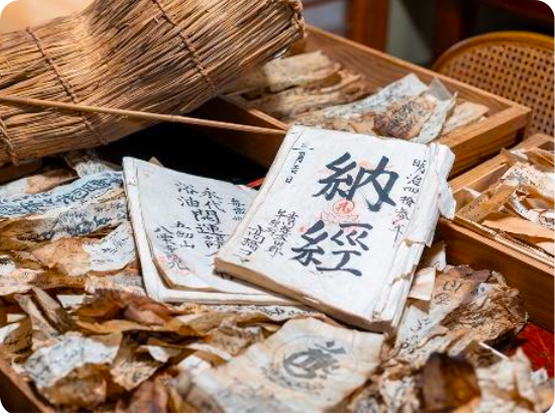
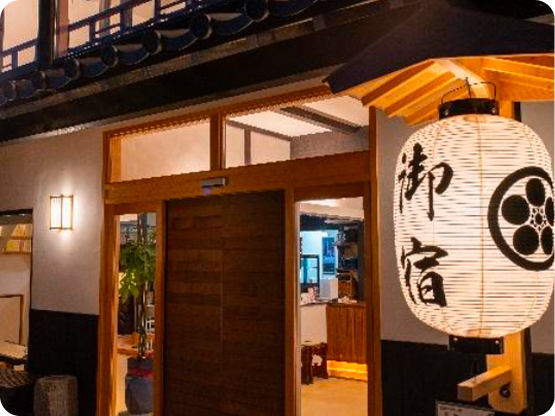
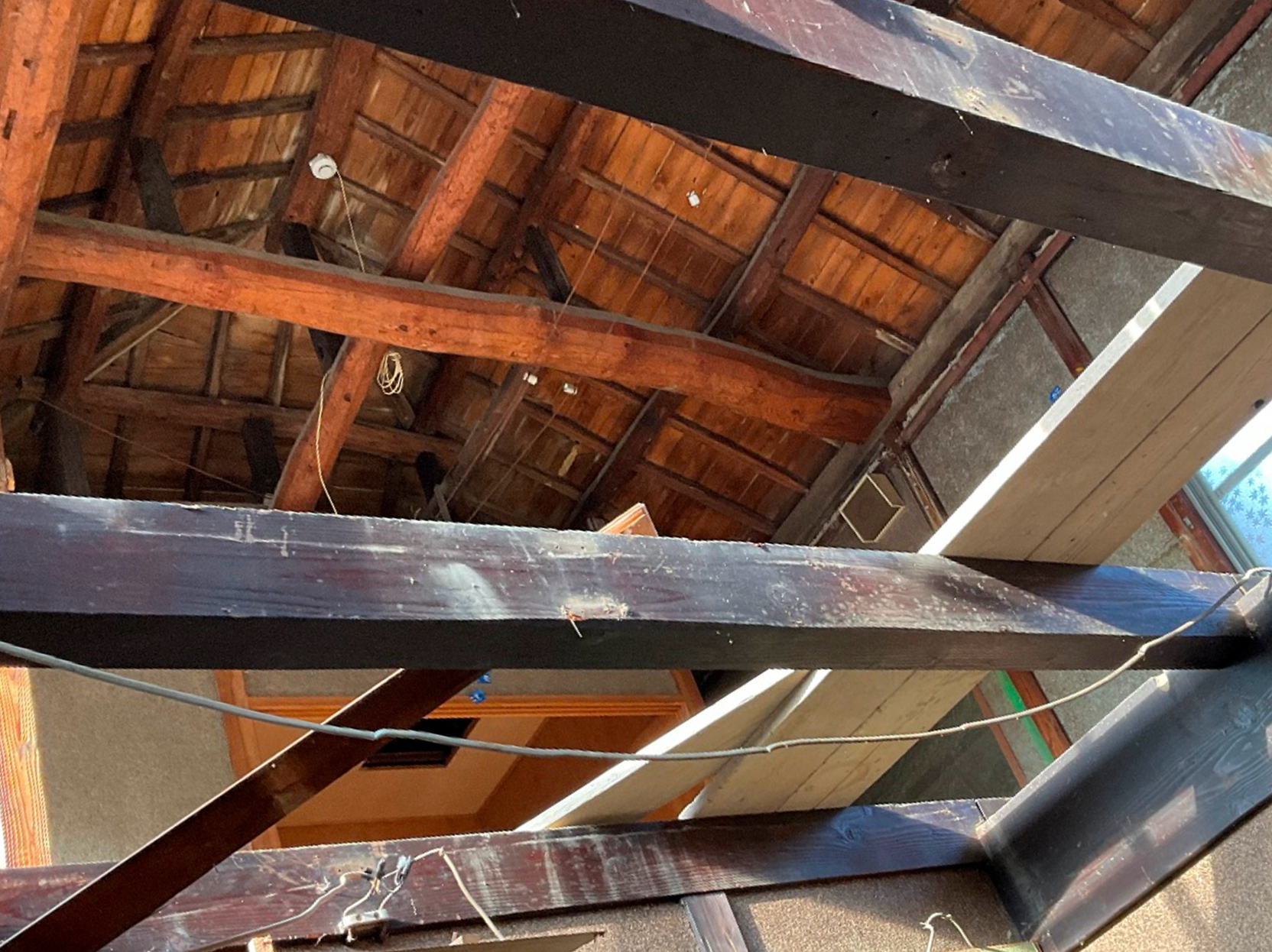
In 2022, guided by archival photographs from 1924, Takahashi dared to undertake a full-scale restoration with craftsmen of traditional construction methods. A team of master craftsmen, including a 66-year-old head carpenter from Shodoshima, spent about a year reviving the building for the present day. The exterior was restored to its original elegance, while the interior was transformed into a comfortable space for modern travelers.
However, Takahashi’s vision extended beyond simply restoring an old ryokan. He has been working to fundamentally question the concept of a pilgrimage accommodation and redefine this accommodation as a new hub of tourism centered on art and intellect. By reinterpreting the philosophy of Kūkai and carrying it into the future, Onyado Takayanagi has attracted intellectual travelers from around the world by its unique philosophy.
The owner’s thoughts and philosophy
Life of welcoming, carried on by the 5th generation
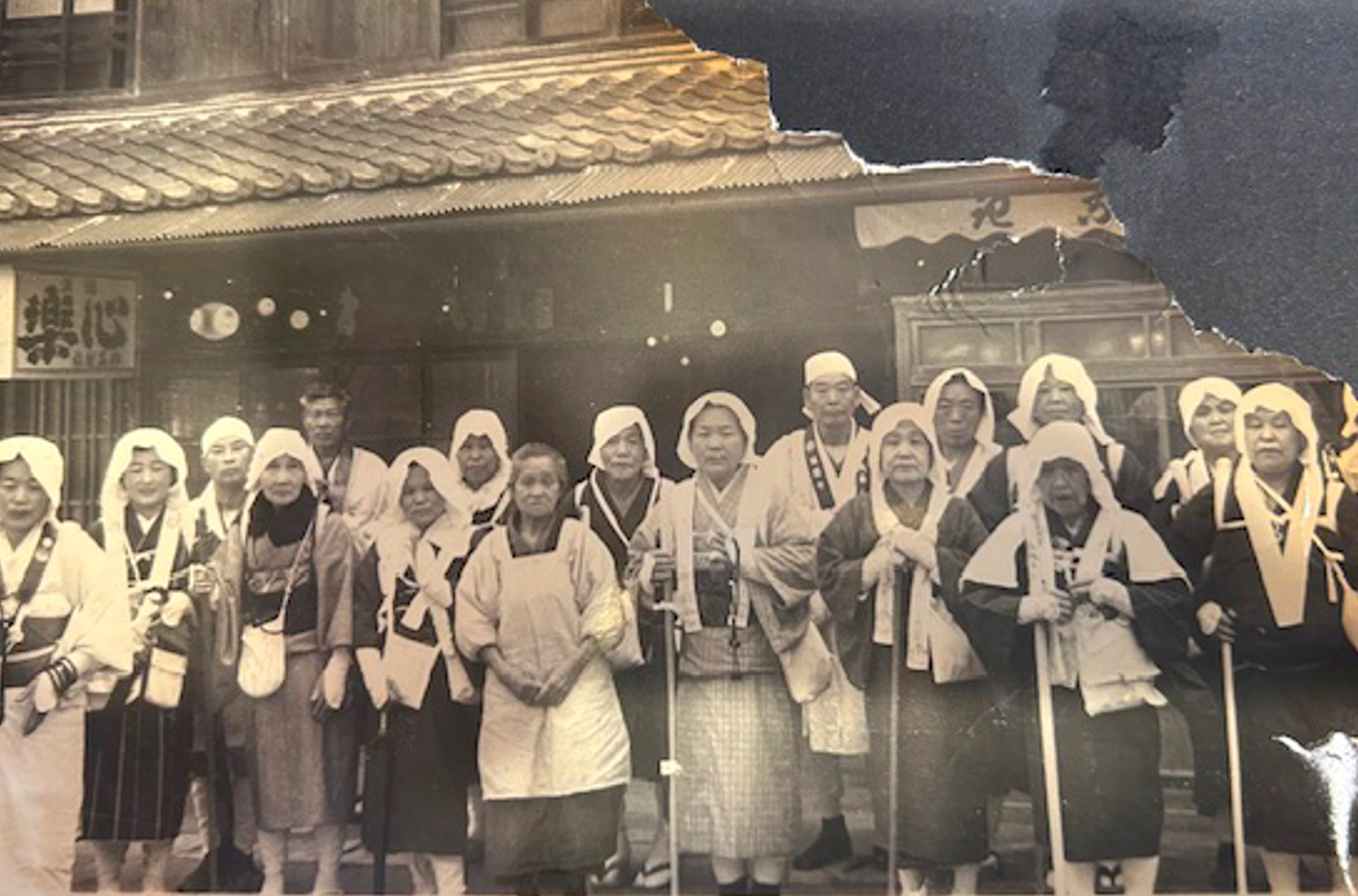
This accommodation has a spirit that has been passed down for so long. That is the spirit of “hospitality.” Previous innkeepers have welcomed pilgrims for about half a century. When the pilgrimage roads were not so well maintained, this accommodation was not just a place to stay, but also a base for travelers. Welcoming tired pilgrims, preparing food, and seeing them off. It is not something special. However, it is not what everyone can do for over decades. For the previous owners, this accommodation was not merely a business, but a place to welcome people. Those attitudes have stayed with many pilgrims and become this accommodation's legacy. This is how invisible trust is built. Even as times have changed, the reasons why people travel remain unchanged. To look for safe places. To be welcomed by someone. This accommodation exists now based on the accumulation of these moments. I do not want to make this spirit a thing of the past. Even if its structure transforms, I will preserve its essence–the act of welcoming others. This accommodation continues to quietly welcome travelers because the time passed down by the previous owners still flows here today.
Why I reserved it
A building is not merely a structure. To Takahashi, who said so, this accommodation is a place that accumulates prayers and memories of pilgrims. Japan has a culture called “noren.” That is a symbol of trust to be fostered through a long time. The building can be new after demolition. However, we cannot regain time ever again. That is why I chose to restore. We spent nearly a year restoring the building to its 1924 form for the present day with master craftsmen of traditional construction methods. It was not just a restoration, but a decision to pass time to the future.
Some culture cannot disappear
There was one thing I asked myself when I took over the accommodation. That was whether I would keep this pilgrim accommodation as business or preserve it as a volunteer. Some pilgrim accommodation manage to run counting on pension as half volunteer. Some accommodation is around ¥6000 for a night with two meals or ¥4000 for a night. It is a precious work supported by beautiful spirits of “ossetai.” However, I asked myself whether the next generation would be willing to take over this structure. In reality, some pilgrimage accommodations are disappearing silently. If things continue this way, it might no longer be possible to even walk this pilgrimage, one of the rarest cultural traditions in the world. Facing ourselves by walking in nature for 40 days. It is a type of extremely fulfilling trip in essence. That is why we have to preserve this culture for the future. What the world needs is “sustainability.” It is not about the environment. To sustain this pilgrimage trip, pilgrimage accommodation also needs to be sustainable. Goodwill alone cannot sustain culture. It must be shaped in a way that does not exhaust those who support it, and that the next generation wants to take over—not for profit alone, but for continuity. I run this business so that this place can support today’s pilgrimage culture and serve as a base for the future.
New perspective on pilgrimage
After I took over this accommodation from my parents, I felt I needed to fundamentally rethink what this accommodation should be. That is because most of the guests were Japanese pilgrims in my parents’ era, while many are international today.
Then, I decided to rethink the essence of pilgrimage and reinterpret it from a broader perspective. I was deeply motivated to explore the spirit of Kukai more, who had long inspired me, and to shape it into the concept of accommodation.
Kukai could do architecture and civil engineering, and also pursued arts. He pursued the possibilities of humans while working on various fields. Through his practice, I think he reached the philosophy that people could change how they viewed the world by changing their inner self.
From this perspective, the 88 temples of Shikoku pilgrimage are not just a religious act.
Refining senses by experiencing arts and architecture, and knowing Japanese traditional techniques. The pilgrimage is an extremely creative trip in essence——It is my conclusion.
I transformed this ryokan into a place where guests learn arts, architecture, and Japanese traditional industries, and support tourism while experiencing nature as something to be absorbed into the body.
A family of potters from Mexico stayed here for five nights, and went out seeking soil in a valley in Iya. Additionally, various architects visit us from all over the world.
I think what they seek out is not just a stay, but a trip to encounter a new perspective of the world.
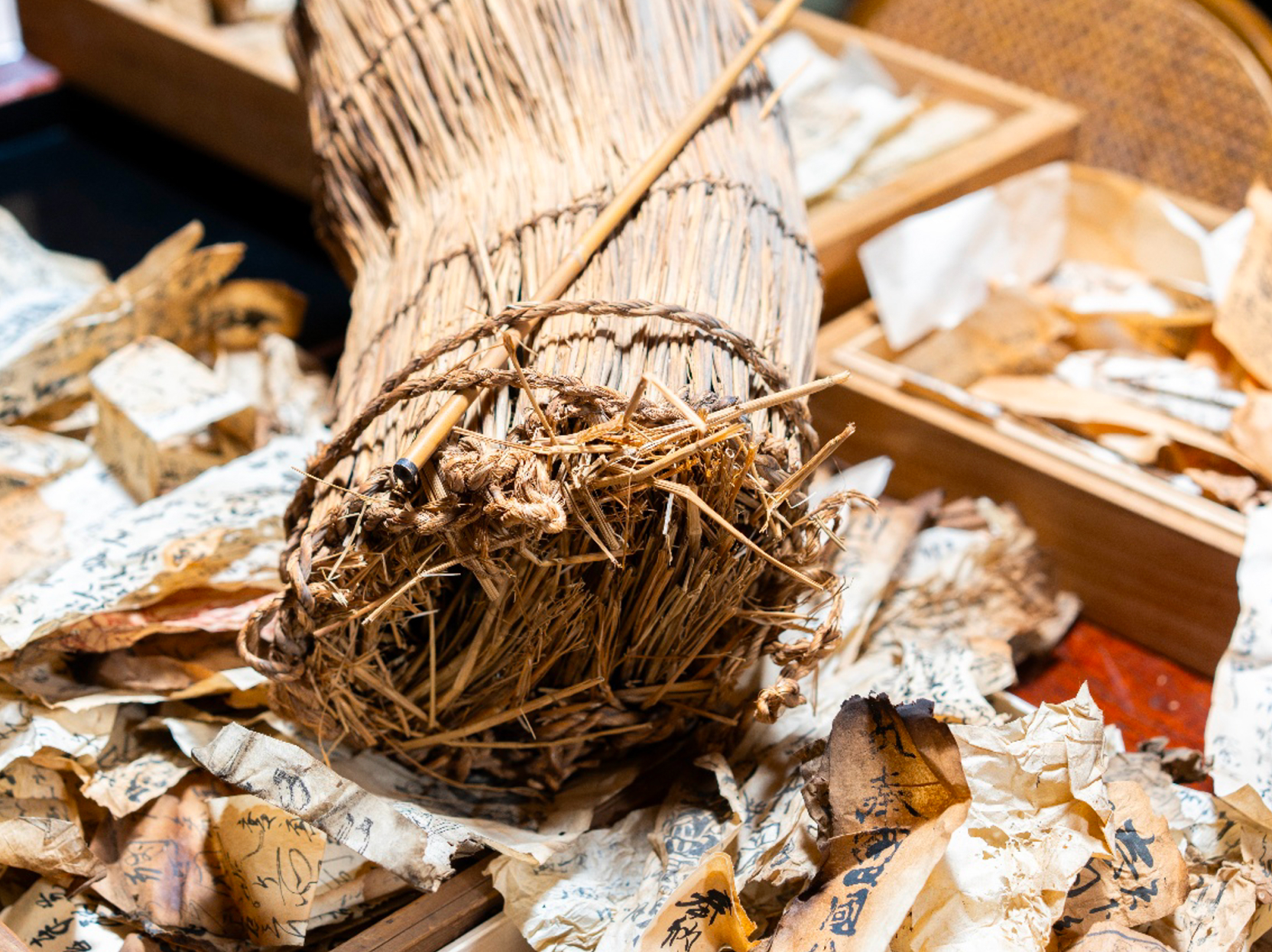
Preserving “legacy”——It is a Kukai’s teaching itself
Why I decided to do renovation
That is because I wanted to carry the legacy to the future
Legacy is not just a name. It is an accumulation of invisible trusts through supporting pilgrims for over 200 years. It cannot be measured in numbers. However, it truly exists and touches hearts.
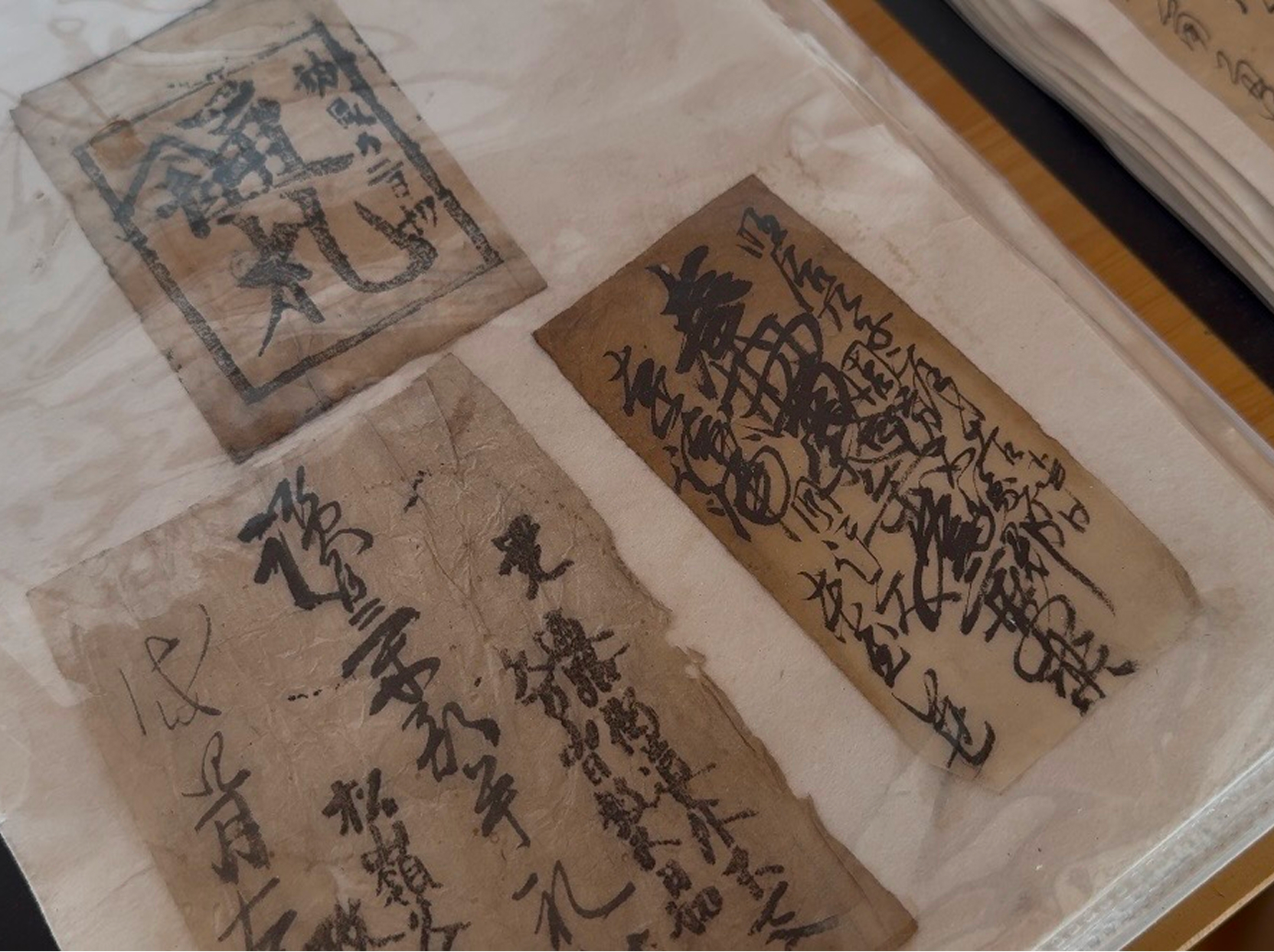
After I quit my job at Japan Airlines, I started a business in casket products. With only a small amount of savings, I traveled across Japan to promote the business. I carried pamphlets about the ryokan from my father’s time, along with handmade business cards. The line written there “a pilgrimage accommodation with over 200 years of history” instantly enabled me to become close with those I met for the first time.
“Legacy itself is trust”——I learned this firsthand,
I guess Kukai also understood the importance of preserving things in tangible form. Truth is invisible. That is why people sometimes forget. However, if there is something tangible, they can remember again and again.
To me, restoring the building in 1924 was not to recreate the past. It was a decision to let time and trusts flowing here exist for the future. I think that inheritance is not just about preserving something, but about the act itself of continuing to exist.
Value beyond comfort
Our accommodation is not as convenient as modern hotels. However, many people still choose this place. The reasons are simple.
What we provide is not only comfort.
Time to spend in unique Japanese architecture. Space created with traditional construction methods by taking over materials in 1924. Additionallu, Japanese culture, history and philosophy through conversation with the owner. Here, there is a richness that goes beyond convenience.
Travelers visit us from all over the world such as Europe, the States, Mexico and Asia. Some are inspired by architecture, some are interested in traditional culture, and some want to face themselves in nature. They find value in “common practices” in Japan and try to experience it deeply.
There are many other options if you just want comfort in travel. The reason they still choose here is that they find value in experience itself. A richness is not always found in convenience. Sometimes, it is found in quietness.
Country of water, Japan
Journey into the memory of the place
There is a thing I realized again through a conversation with travelers from abroad. That is how Japan has been shaped with nature.
There are mountains, forests and pure water. Japanese water is soft and its flow is alive in every corner of this place’s culture.
Delicate flavors of Japanese food, smooth texture of fresh noodles, custom of hot spring immersing oneself in a bath, and also precision of blades, strength of ceramics, and even quiet beauty of lacquerware.
Behind it all lies the presence of water.
In the past, it was thought that the god dwelled in a mountain or forest in Japan. The sense of living together rather than conquering nature. The philosophy has nurtured lifestyle, industries, and a sense of beauty.
When you walk the pilgrimage, you are often surrounded by magnificent nature. The experience is not just a movement, but time to understand firsthand how this place has been formed.
Many people are surprised when I talk about “water.” Why are blades so sharp? Why do ceramics have dignified beauty? When seen through the lens of water, Japanese culture begins to appear as a single, continuous flow. To me, the pilgrimage is a journey into the memory of the place.
Place where quiet still remains
Along the Shikoku Pilgrimage route, there are still spaces left untouched
You can walk in the rhythm of nature without being carried by the flow of people. This is not common today. Perhaps we seek water by nature. Surrounded by forests and walking alongside clear streams, a sense of nostalgia emerges quietly.
I see the 88 temples of Shikoku pilgrimage as a journey to reconnect with the universe. To walk through nature, experience the architecture of ancient temples, and discover ways of life passed down through generations in the area. Then sometimes, stop to talk. There is a deep sense of fulfillment beyond comfort or luxury. It is a journey outward, and at the same time, a journey back into oneself.
Shikoku still has such experiences. We have something you can only encounter in tranquility.
What Onyado Takayanagi aims for
Place where conversation and intellect meet
I see ryokan as “a small world.” Time flows there, it has its own rhythm, and people meet. The owner, who welcomes travelers from different cultures, serves as a bridge between these worlds. I would say a quiet “ambassador of peace.”
I have two values I want to provide here. One is information
Prepare the ground by getting rid of small worries and unclear points in a journey. Reservation at museums, ways to go to islands, local food, and way to move to the next destination. Appropriate information changes the quality of the trip.
The other is intelligence
It is an intellectual time generated through a conversation. Difference between Buddhism and Shinto, philosophy of Japanese architecture, and topics about music and arts. A journey can turn into a time of contemplation rather than just a move by talking about interests.
AI It is an era when AI makes an itinerary and translates instantly. However, I feel that what many travelers still want is the energy of real conversation. These “information” and “intelligence” are a part of the values of staying here.
Step away from the digital and reconnect with your senses
I aim a “journey to step away from the digital”
Touch the soils. Feel the wind. Let the cool air awaken your body. These sensations can be lost in modern life unless we consciously seek them. Walking through nature and spending time in old buildings feels like a Zen practice. It is an experience of quietly facing the world around you.
This building has lived for many years. Because of that, you may feel the presence of the seasons more closely. However, I think even this is a part of the learning this place offers. If you seek perfect comfort, there are modern hotels.
Those who still visit here seek something else. To meet their expectations ——Your journey may also begin here.
Heartwarming episodes with pilgrims
- What lost sunglasses taught
- A guest lost a pair of branded sunglasses In Naoshima. Though he gave up on finding them during the trip, he surprisingly found out that they had been turned in to the local town office a week later. In the end, they were returned.It may not be a special story in Japan. However, to those who have traveled around the world, it can feel like a small miracle.Lost items are returned. A stranger picks them up and brings them in. The quiet kindness of someone whose name we never know is passed on to the next person. In this country, such trust truly flows.
- Accommodation where architects gather
- After the renovation, guests from the architectural field started visiting from around the world. Architects from overseas, as well as people from Japanese design firms. They come to experience the building after they see the exterior on our website or on Booking.com What they see is not just an old building. Techniques to use architectural materials in 1924 and renovate with traditional construction methods. Space where the wisdom of craftsmen from that era and the skills of today’s artisans come together. Being able to experience Japanese culture and techniques through architecture and arts——That is the value of this accommodation.
Introduction to the accommodation
Small pilgrimage accommodation -House for travelers to experience culture-
About stay
Onyado Takayanagi
Visit the official website hereSNS
Prices
- Room-only
- ¥13,200 per person
- ※Prices may vary depending on the season.
- ※You can enjoy meals in a town-as-dining style. Based on your mood and the occasion, the owner will recommend selected local restaurants where you can enjoy seasonal flavors like a concierge.
Meals
We offer a “stay without meals” style, guiding you to popular local restaurants. Based on the season and your preferences. The owner will recommend carefully selected restaurants. We will take care of your dining experience as someone who knows the area well.
- Nearby options include traditional Japanese restaurants, French restaurants, and other where you can enjoy locally sourced ingredients.
Check-in / Check-out
- Check-in
- 3PM〜6PM
- Check-out
- 〜9AM
- Please contact us if you arrive late.
- ※Please confirm when making a reservation if you want to leave your luggage before check-in
Access
〒761-0121 3137-14, Murecho Mure, Takamatsu, Kagawa(Google Maps)
- ・Approximately 30 minutes on foot to Yakuriji Temple (the 85th sacred site)
- ・Approximately 5 minutes on foot to the Station of Yakuri Cable Line
- ・Approximately 20 minutes on foot from Kotoden Yakuri Station
- ・Approximately 30 minutes on foot from JR Furutakamatsu-Minami Station
- ※If you wish, we will pick you up for free
- ※We have free parkings (max. 7)
- ※We have bicycle and motorcycle parkings (max. 4)
Guest rooms
Room1 Room Shingon(2 person: Western-style twin room approx. 13m2)
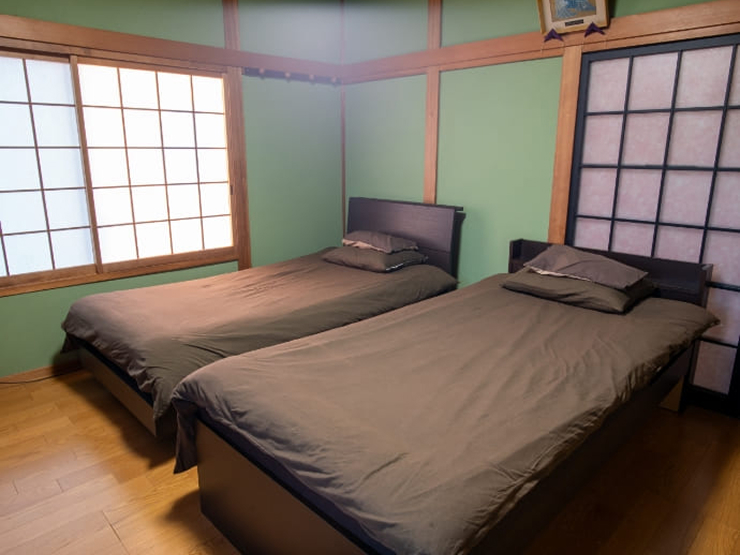
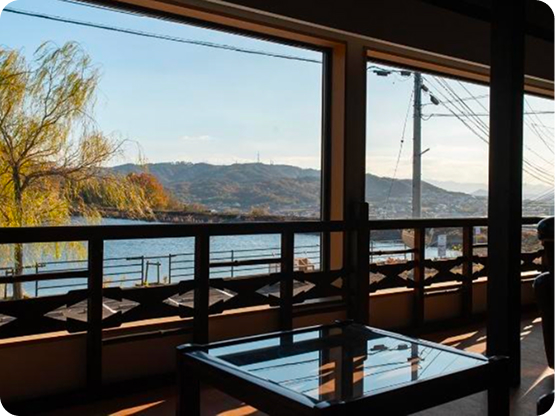
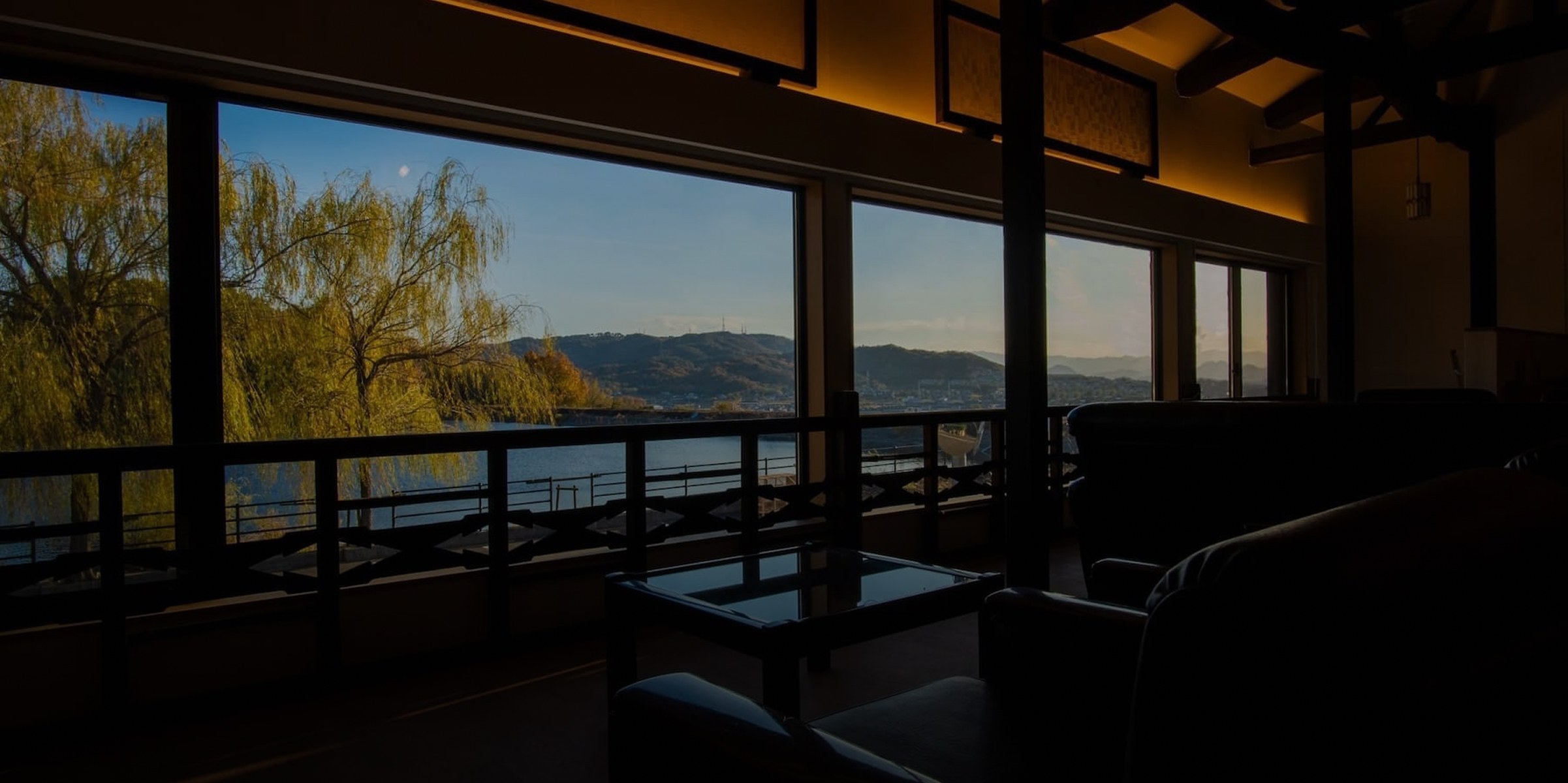
Birds can be observed from the room with a lake view. You can also see Yashima Island, the site of the Genpei War.
- Room-only
- ¥13,200 per person
Equipments
Free Wi-Fi, air conditioner, TV, remote control lights, clothes rail
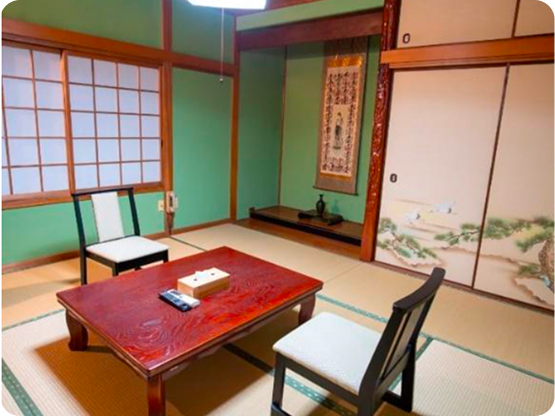
Room2 Room Kukai(2 people: Japanese-style room approx. 13m2 with alcove)
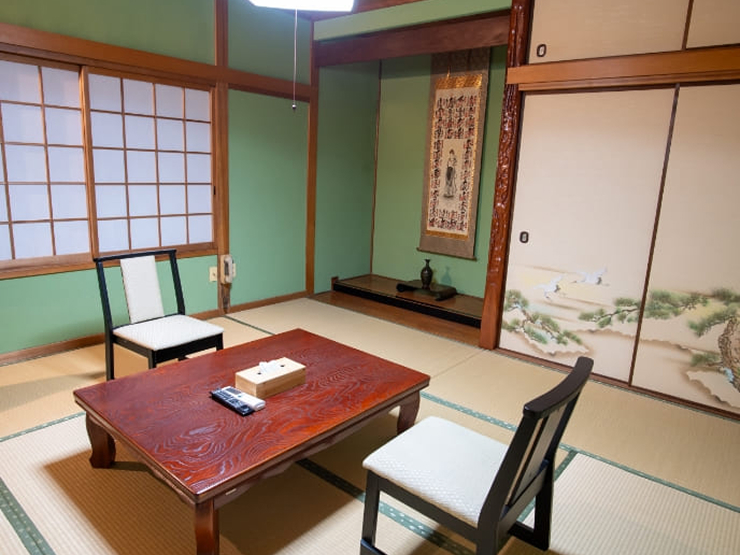
Peaceful Japanese-style room with tatami and alcove
- Room-only
- ¥13,200 per person
Equipments
Free Wi-Fi, air conditioner, TV, clothes rail
Room3 Room Yashima(2 person: Japanese-style room approx. 18m2)
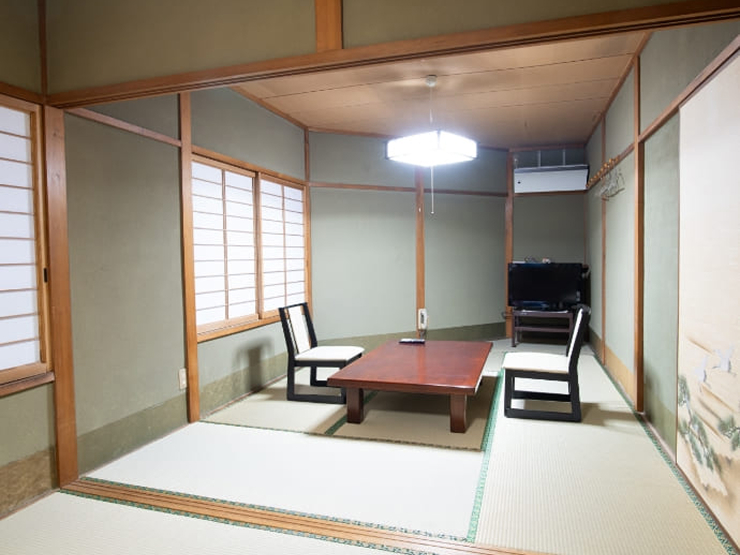
You can overlook Yashima, the site of the Genpei War, and the Aji Stone Mine, the finest stone in Japan.
- Room-only
- ¥13,200 per person
Equipments
Free Wi-Fi, air conditioner, TV, clothes rail
Room4 Room Genpei(1 person: Japanese-style room approx. 10m2)
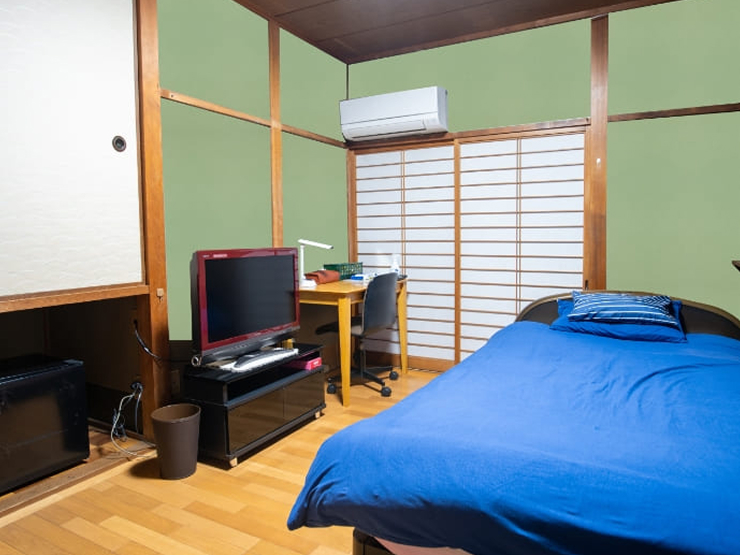
Equipped with a double bed and a small in-room refrigerator for international guests.
- Room-only
- ¥13,200 per person
Equipments
Free Wi-Fi, air conditioner, TV, remote control lights, in-room refrigerator, clothes rail
Room5 Room Yakuri(1 person: Japanese-style room approx. 11m2)
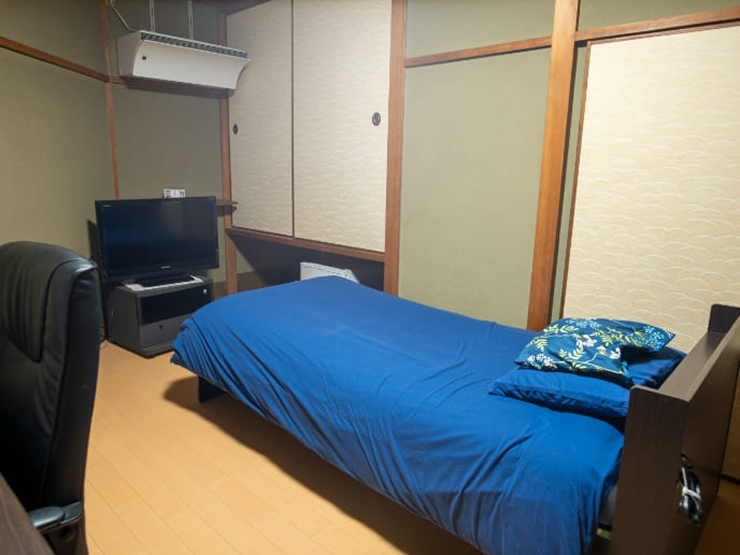
Equipped with a single bed and a small in-room refrigerator.
- Room-only
- ¥13,200 per person
Equipments
Free Wi-Fi, air conditioner, TV, remote control lights, in-room refrigerator, clothes rail.
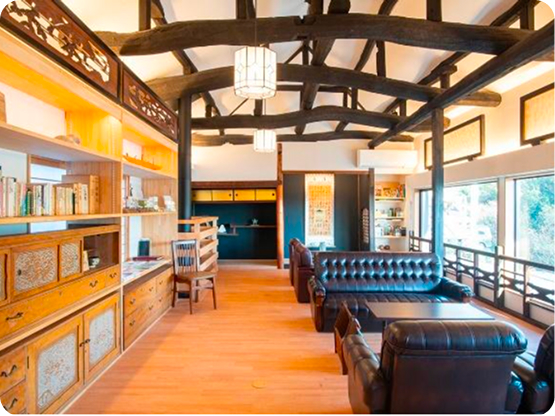
Common space1 1F lobby
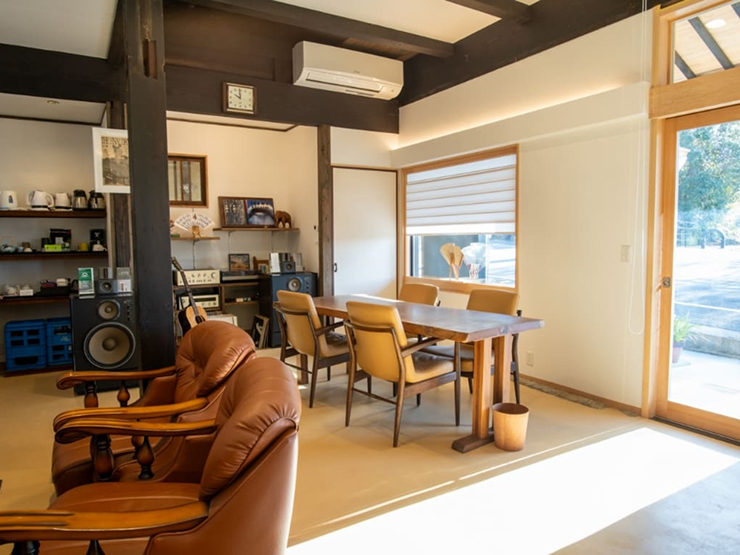
1st floor lobby and community space renovated from a traditional house built in 1924. In winter, guests gather around the fireplace, creating quiet moments of conversation among them.
common space2 2F
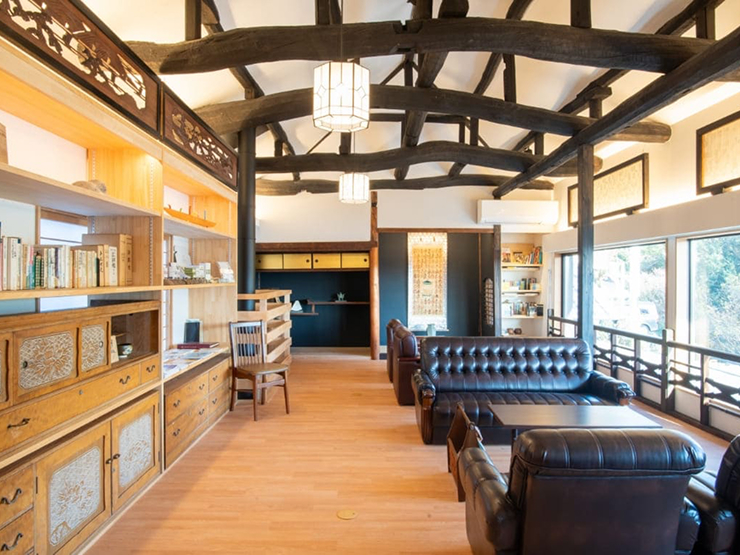
Space renovated from a traditional house built in 1924 and you can explore materials on Japanese architecture, arts and pilgrimage.
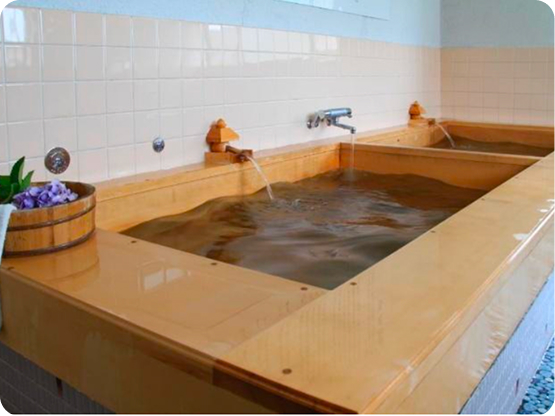
Mount Koya wood bath
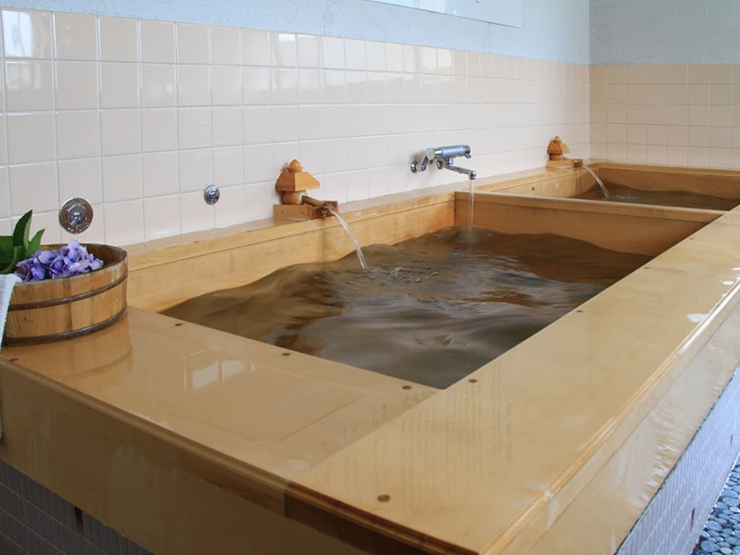
A bath made from Koya Maki. You can relax and ease the fatigue of your journey surrounded by the scent of Japanese wood. The water is soft, drawn from natural groundwater and gently heated.
Facilities and services
Free Wi-Fi
High-speed internet available in all rooms
Microwave
Available for heating meals
Drink bar
You can have coffee, tea, Japanese tea, and mineral water
Hair dryer, shampoo, rinse, body soap
Complimentary
Pajamas, humidifier
Complimentary
English support
Available
Multilingual information
Official website available in English
Credit Card
Visa、MasterCard、American Express、JCB、Diners Club、Discover、Union Pay
Refrigerator
Available for storing your own drinks
Bath towel, face towel
Complimentary rental
Toothbrush, shaver
Available for purchase (¥50 each)
Laundry
We have fully automated washing machine (¥300 per use, detergent included) Dryer (¥200 per use)
Luggage storage
Available upon request Delivery service available (additional fee)
Rental bicycles for sightseeing
2 bicycles available
To our guests:
Onyado Takayanagi is a small cultural accommodation created by renovating a traditional house built in 1924. Here, you can spend a relaxing time in a Japanese traditional architecture space. While the bath is communal, we offer a bathtub crafted from Koya Maki wood. We hope you will relax and ease the fatigue of your journey surrounded by the soft scent of wood. At our accommodation, we value moments when travelers talk to each other and share cultures and experiences. The owner is able to guide you in English on Japanese history, culture, arts, and the nearby attractions. We hope this accommodation becomes a small “space of peaceful cultural exchange” where travelers from all over the world meet and deepen their understanding of one another. Please enjoy your peaceful stay.
※As part of our commitment to environmental sustainability, we have discontinued the complimentary provision of amenities and single-use plastic products. We kindly ask for your understanding and cooperation in supporting our efforts toward a more sustainable future.Deepen your experience
Nearby attractions
Yakuriji Temple (Temple No. 85)
A temple on a mountain overlooking the Seto Inland Sea. Near the end of the Shikoku pilgrimage, it has long been a place where travelers quietly offer their prayers.
About 30 minutes on foot (Cable car available)Isamu Noguchi Garden Museum
A garden that served as sculptor Isamu Noguchi’s creative base. Sculpture and nature blend together, making the space itself a single work of art.
About 15 minutes on footAji Peninsula
A quiet peninsula extending into the Seto Inland Sea. Known as the source of Aji stone, which fascinated Isamu Noguchi. It is a place where calm seas and small beaches stretch out, and time seems to pass more slowly.
About 60 minutes by carInformation on the Aji Peninsula Cycling Tour
We offer a guided cycling tour around the Aji Peninsula, which takes about 2 hours, while enjoying the peaceful scenery of the Seto Inland Sea.
Photo Gallery