Zen and the Shikoku Pilgrimage: A Deep ConnectionZen in Motion
The Shikoku Pilgrimage—A 1,200 km “Moving Meditation” Brings Ultimate Self-Liberation
1. Prologue: Why Do the World’s Leaders Seek “Blank Space”?
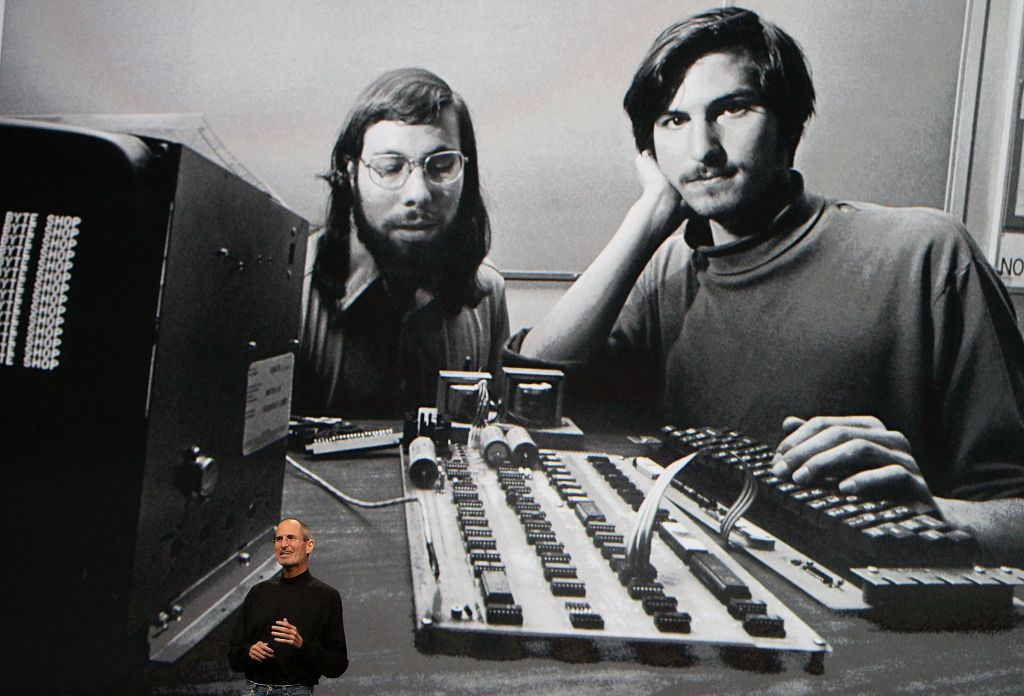
Did you know that in the 1970s, when Steve Jobs was still a young hippie, he had a
dream? It was to travel to Japan and become a Zen monk.
Photo: Justin Sullivan / Getty Images
At the time, Eastern philosophy was sweeping through young people in California. Jobs
was one of them. When he picked up Shunryu Suzuki’s "Zen Mind, Beginner’s Mind",
something awakened within him. It marked the beginning of a lifelong interest in Zen.
After wandering India for seven months, he returned home and encountered a teacher at
a Zen center near his house in Los Altos, California. That teacher was Kobun Otogawa,
a Soto Zen priest. This meeting marked the beginning of a spiritual mentor–disciple
relationship that would last for over 30 years.
Jobs seriously considered becoming a Zen monk. But his teacher advised him:
“Becoming a monk is not right for you. Practicing Zen does not mean becoming an
ascetic. It means being fully present in each moment.”
“What exists in a Zen temple, apart from the worldly, is not something that cannot be
found here.”
Guided by these words, Jobs chose not to withdraw completely from the material world,
but to pursue a path that balanced Zen’s spiritual ideals with his own ambitions. He
continued practicing Zen throughout his life.
Later, in his words to biographer Walter Isaacson, he captured the essence of what he
learned from Zen:
“Just sit and observe, and you’ll see how restless your mind is. Try to calm it, and
it only gets worse. But over time, it does settle, and when it does, you begin to hear
more subtle things. Your intuition starts to blossom, and you see things more clearly,
and you can be more present in the moment. Your mind slows down, and you see an
immense expanse in the present moment. You begin to see so much more than you could
before.”
This Zen philosophy later shaped the foundation of Apple’s product design and business
philosophy. iPhone, iPad, MacBook—their shared qualities of “stripped-down beauty,”
“the power of space,” and “focus on essence.” The philosophical foundation of Apple’s
minimalist design is, in many ways, Zen aesthetics itself.
His signature outfit—jeans and a black Issey Miyake turtleneck—has even been seen as a
modern version of a Zen monk’s workwear. And the book he repeatedly read, Paramahansa
Yogananda’s Autobiography of a Yogi, was distributed to all attendees at his memorial
service. It speaks to how central spirituality was in his life.
Photo: Justin Sullivan / Getty Images
And it’s not just Jobs. Today, CEOs, entrepreneurs, and investors around the world are
spending hundreds of thousands of dollars on meditation retreats and mindfulness
training. What are they seeking?
The answer is simple—silence. In a world filled with noise, there is nothing more rare
or luxurious than the space to face one’s own thoughts.
Yet here lies a paradox. The more materially wealthy people become, the more they seek
“inconvenience” and “solitude.” Not five-star hotel suites, but Zen temples deep in
the mountains. Not first-class seats, but pilgrimage trails over rugged terrain. Why?
Because Zen has transcended religion and now functions as a kind of “mental OS” that
clears thinking, sharpens judgment, and reveals what truly matters.
There is a place in Japan where you can experience Zen in its purest form—where you
can find the space to face your own thoughts in silence.
It is in Shikoku. The 1,200 km pilgrimage route that circles the 88 sacred temples—the
Shikoku Pilgrimage.
2. The Essence of Zen: From “Sitting” to “Walking”
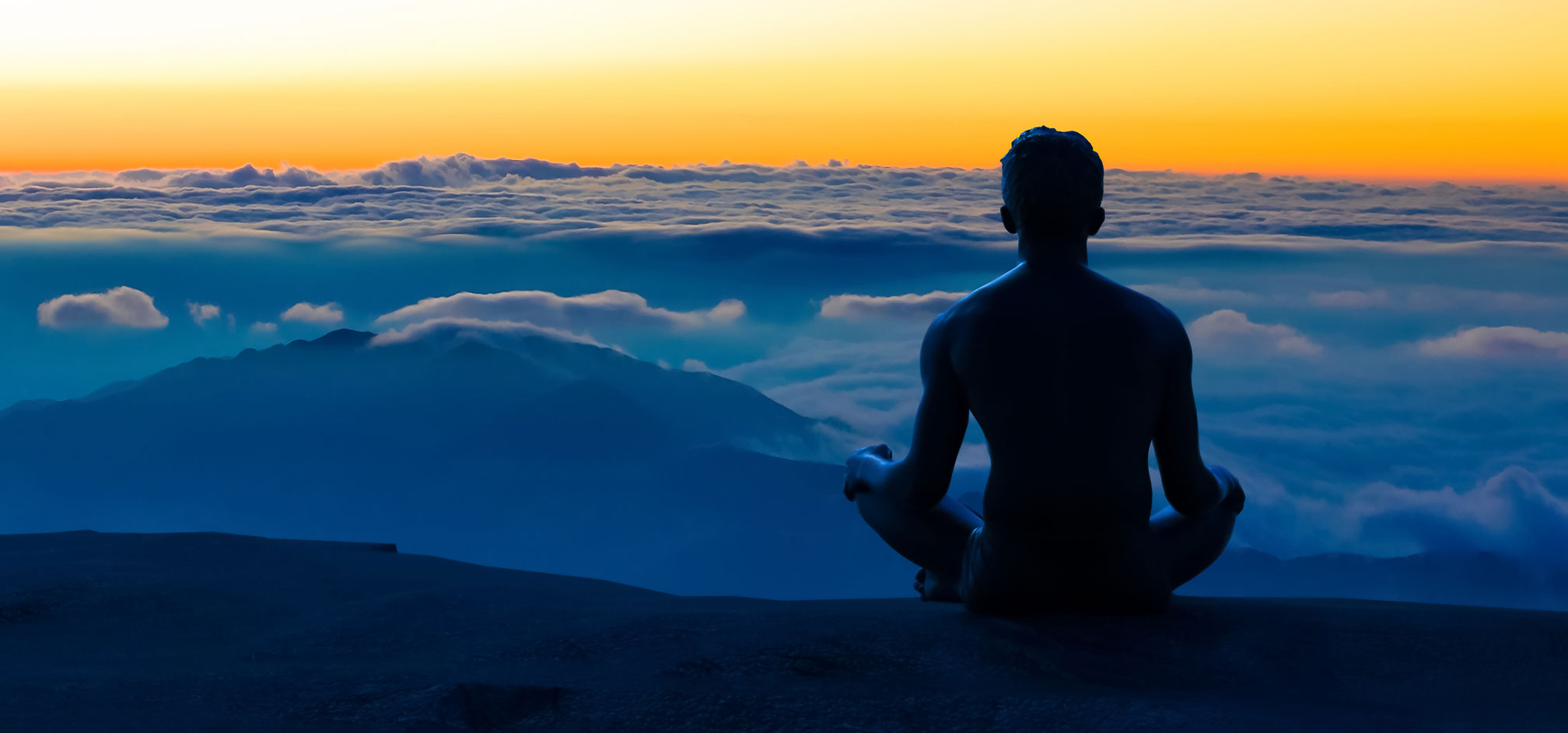
When people hear the word Zen, many imagine zazen—sitting cross-legged in a quiet
hall, focusing on the breath. But for modern people living extremely busy
lives—especially executives who make hundreds of decisions a day and are constantly
exposed to a flood of information—simply “sitting” can sometimes feel painful.
Thoughts keep arising, and the absence of a smartphone can even cause anxiety.
So what should one do?
The answer is: walk.
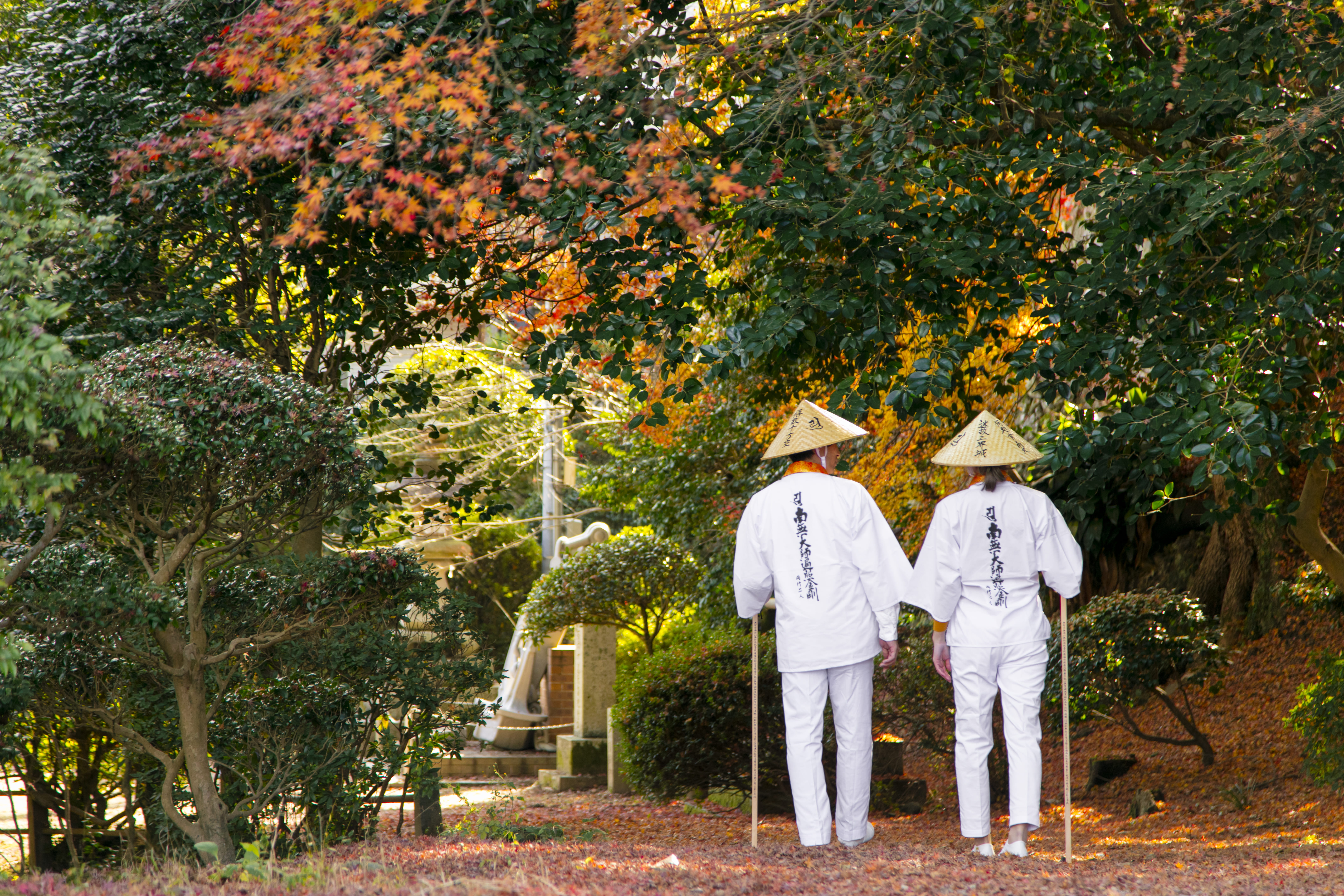
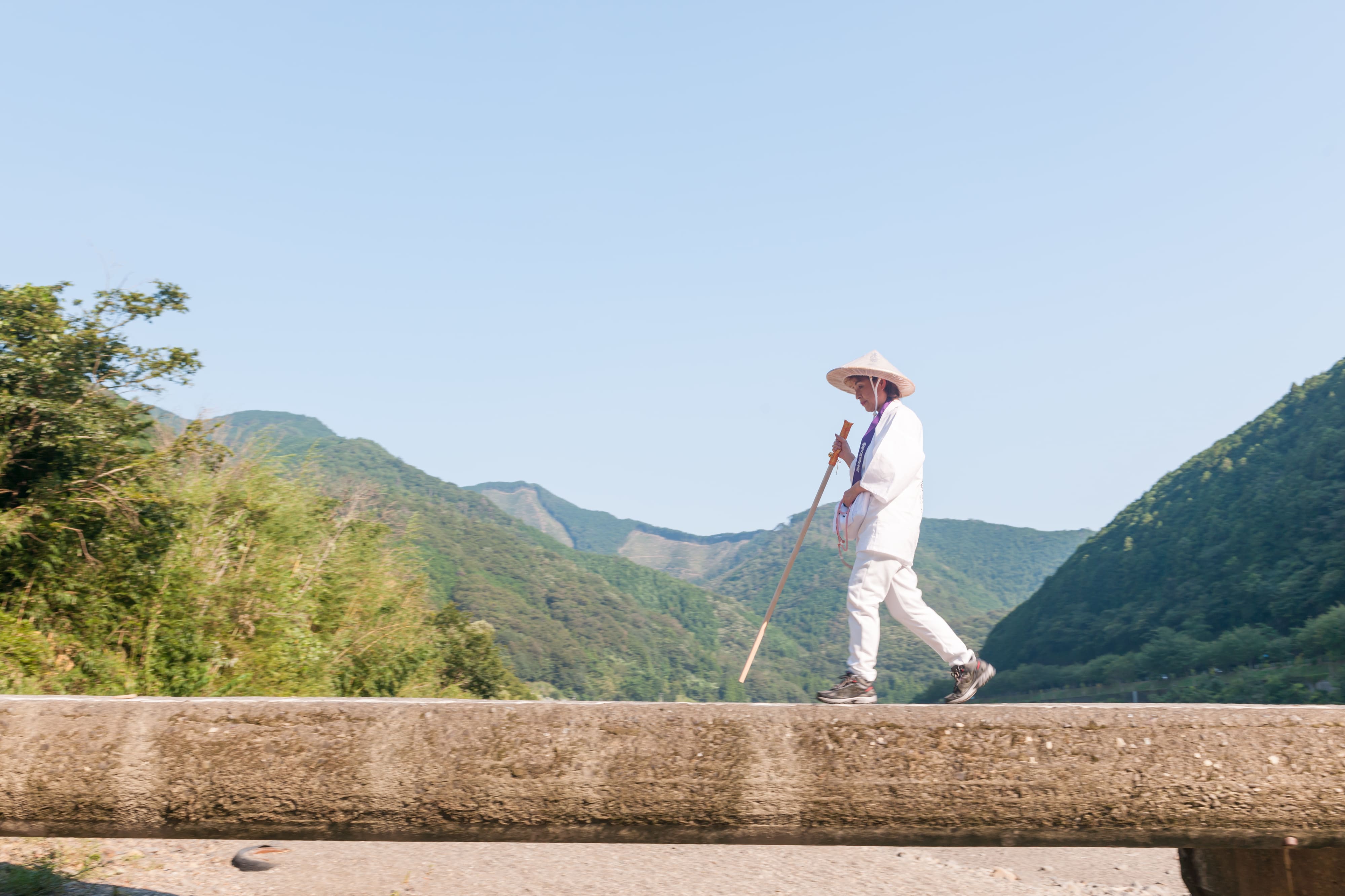
Zen has a practice called kinhin—walking meditation. By walking slowly and mindfully,
one brings the mind back to the present moment. The Shikoku Pilgrimage can be seen as
an expanded form of this practice to its ultimate scale—a boundless Zen hall
stretching over 1,200 km.
Step by step. The sensation of your feet touching the ground. The wind brushing your
cheeks. The sound of birds, the rustling of trees, your own breath. As you walk the
pilgrimage route, your awareness is no longer on “next quarter’s sales” or “tomorrow’s
presentation,” but solely on this very moment.
This is not just a spiritual idea. Neuroscience shows that rhythmic
movement—especially walking—promotes serotonin release in the brain, enhancing mental
resilience. Moreover, extended walking frees the brain from external tasks,
encouraging new associations of ideas and the emergence of potential solutions to
problems.
According to research from Stanford University, walking can increase creative thinking
by up to 60%. Nietzsche wrote in Twilight of the Idols: “All truly great thoughts are
conceived while walking.”
The Shikoku Pilgrimage is its ultimate form.
By the time you finish walking Shikoku, what you hold in your hands is not the stamps
or souvenirs collected at temples. It is a clear mind and a sharpened intuition.
3. Shikoku’s Four Regions: The “Four Stages of Transformation” That Refine the
Soul
The 1,200 km of the Shikoku Pilgrimage is not simply a long-distance hike. The journey
is divided into four stages as a process of spiritual growth and transformation. These
correspond to the four stages in Buddhism—“awakening,” “practice,” “enlightenment,”
and “nirvana”—each aligned with one of Shikoku’s four prefectures: Tokushima, Kochi,
Ehime, and Kagawa.
Stage One: Tokushima “Place of Awakening”
— The Beginning of Awareness
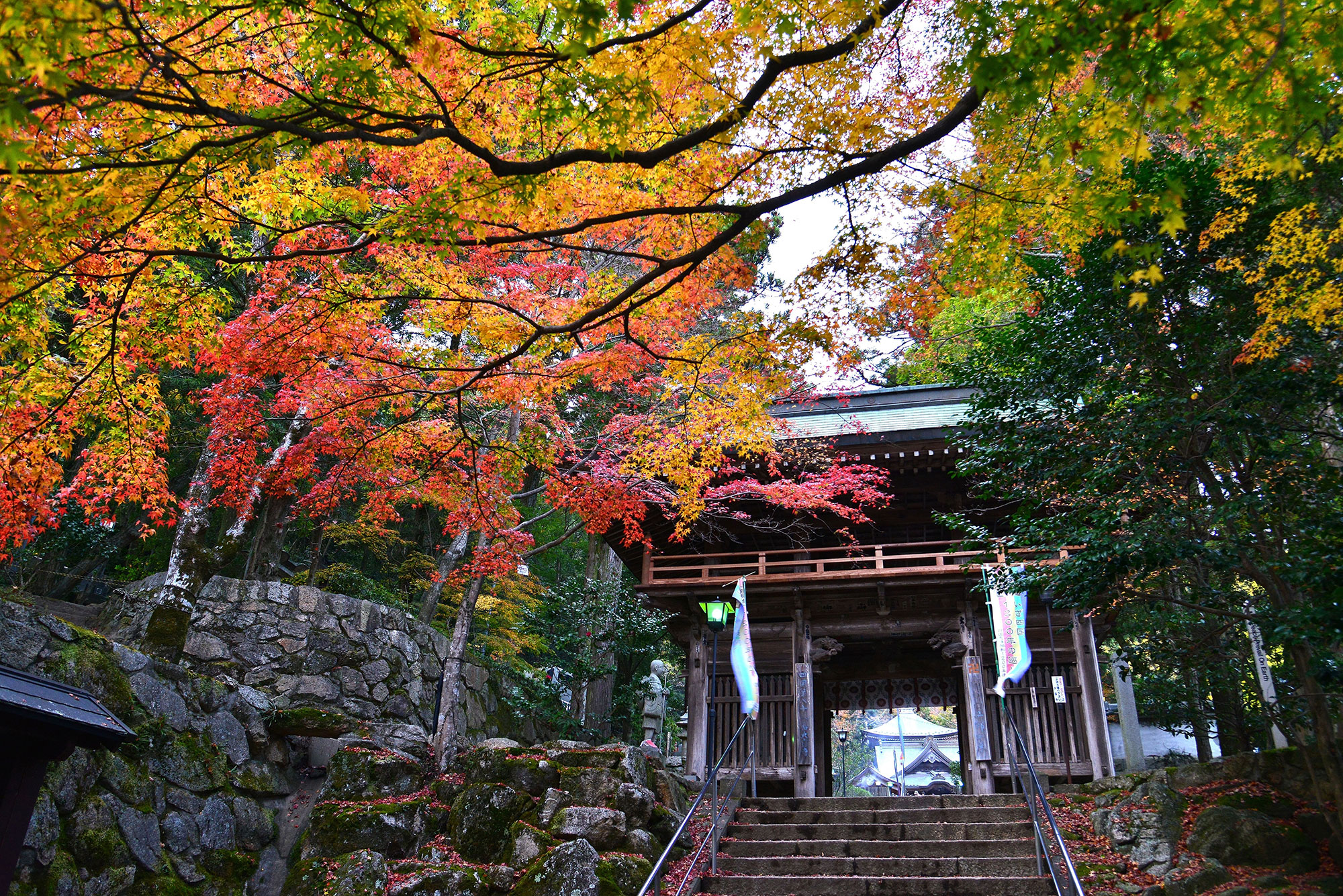
The journey begins in Tokushima. Known as the “place of awakening,” it is
where pilgrims reflect on themselves and set their intentions. The moment you
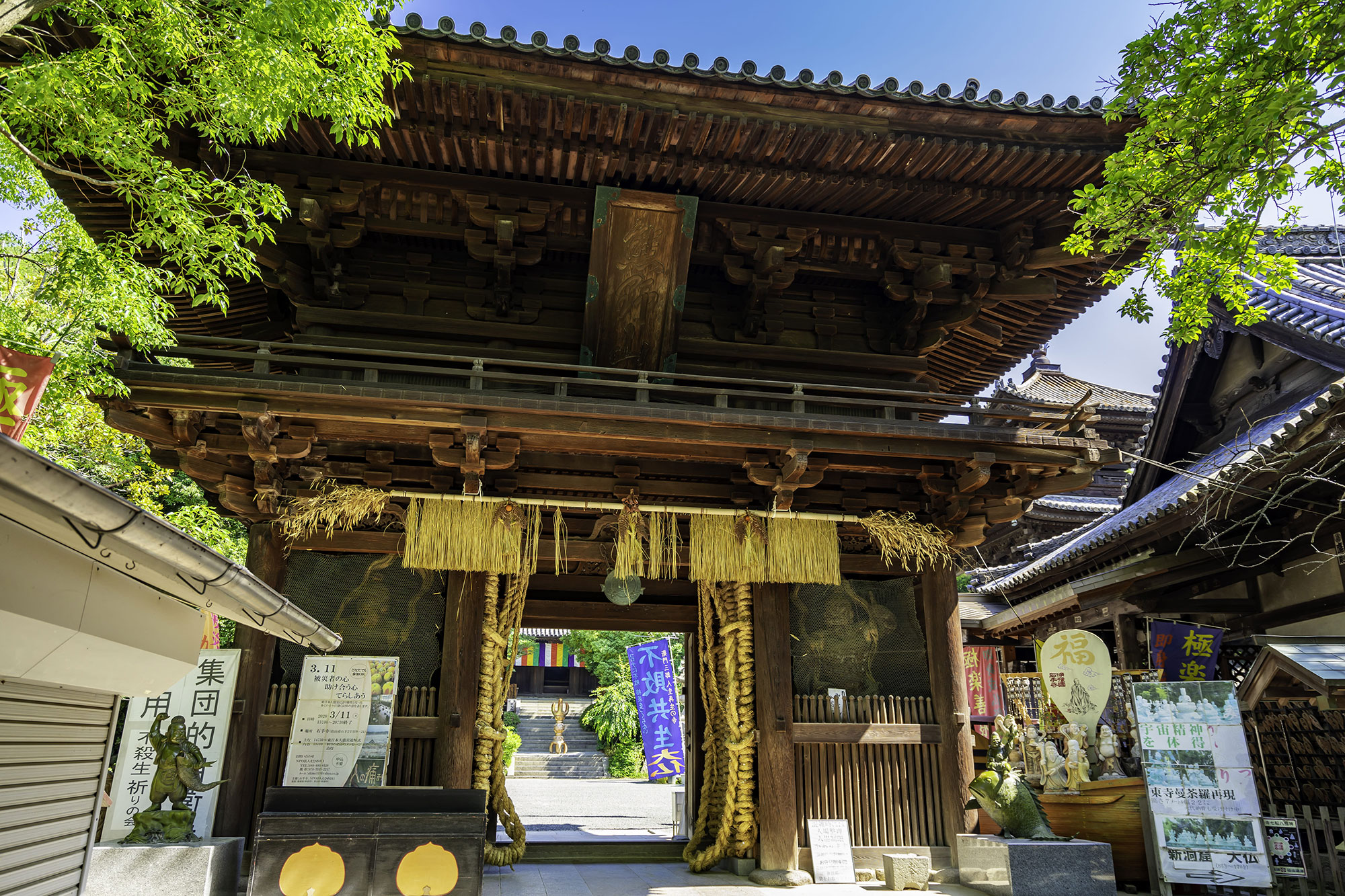
pass through the gate of Temple No.1, Ryozenji, you shed your everyday titles
and roles. Here, you are neither a CEO nor an investor. You are simply a
walker.
The path in Tokushima starts with the gentle scenery along the Yoshino River,
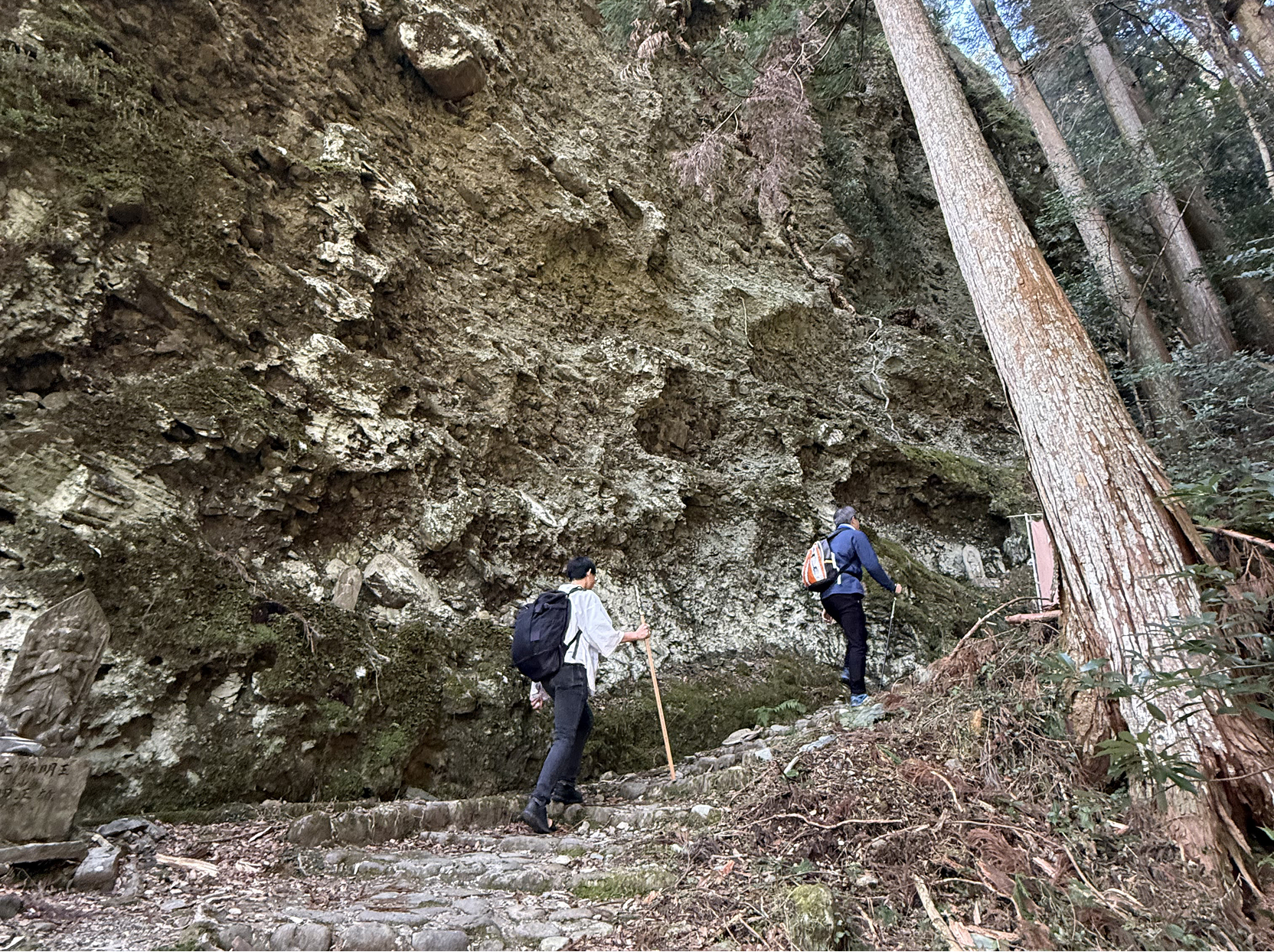
gradually turning into deep mountain trails. The route to Temple No.12,
Shosanji, is especially known for its steep climb called “Henro Korogashi.”
Sweat pours, your breath shortens, and your legs cry out. Yet within this
hardship, you begin to feel your ego dissolve for the first time.
Stage Two: Kochi “Place of Practice” — Facing Solitude
Kochi is the longest and most demanding section of Shikoku. You walk endlessly
along the Pacific coastline, exposed to scorching sun in summer and freezing
winds in winter. The distance between temples is long, and many routes pass
through remote areas. This is the “place of practice”—where you confront
yourself fully.
Loneliness. Silence. Only the steady sound of waves accompanies your thoughts.
Here, many pilgrims realize how dependent they are on constant external
stimulation. There are no client negotiations, no meetings, no emails. There
is only the endless road and the sound of your own footsteps.
Yet strangely, after a few days, that loneliness no longer feels painful.
Instead, you begin to see it as freedom. There is no need to meet expectations
or perform for others. You simply walk. That is enough.
By the time you leave Kochi, a quiet, unwavering strength has taken root
within you.
Stage Three: Ehime “Place of Enlightenment”
— A Glimpse of Awakening
Ehime is the “place of enlightenment.” Enlightenment here means awakening. In
this region, rugged mountain paths and peaceful village roads alternate,
deepening your sense of harmony with nature.
On routes around the foot of Mount Ishizuchi, the highest peak in western
Japan, the sacred mountain is always in view. Its overwhelming presence
reminds you of both human smallness and the comfort of being part of nature.
Many temples in Ehime preserve legends of Kobo Daishi (Kukai). Stories of
Kukai training here, digging wells, and saving people. These are not mere
legends, but living memories of a land shaped by compassion and selflessness.
At this stage, the expression of pilgrims begins to change. The tension of
enduring hardship fades, replaced by deep calm and serenity. It is a sign that
they are beginning to connect with something beyond themselves.
Stage Four: Kagawa “Place of Nirvana”
— Completion and Return
And finally comes Kagawa, the “place of nirvana.” Nirvana represents ultimate
peace, free from all suffering.
The roads in Kagawa are relatively flat, and the temples are close together.
But this does not mean the journey has become easier. Rather, your body and
mind have already become one with the pilgrimage. Walking feels as natural as
breathing, your thoughts are clear, and every scene appears vividly before
your eyes.
When you reach Temple No.88, Okuboji, many pilgrims are moved to tears. These
are not tears of achievement, but of gratitude. Every person, landscape,
hardship, and joy encountered along the way has shaped who you are now.
Yet the pilgrimage does not end here. Traditionally, pilgrims return to Temple
No.1, Ryozenji, in a ritual of gratitude, and then travel to Okunoin at Mount
Koya to report to Kukai. This symbolizes that the journey is not an end, but a
new beginning.
4. Osettai: The Ultimate Altruism That Dissolves the Ego
The Shikoku Pilgrimage has a unique culture not found on other pilgrimage routes. It
is called osettai.
As you walk along the road, a local stranger may suddenly call out to you: “Pilgrim,
here you go.” What they hand you might be cold tea, a rice ball, a mandarin orange, or
sometimes even a homemade meal. Giving without asking for anything in return—that is
osettai.
At first, many international pilgrims are puzzled by this. “Is there some hidden
motive?” “Should I pay for this?” But the local people never accept anything in
return. For them, helping pilgrims is itself a blessing and a joy.
This is a value system that has nearly disappeared from the modern business world,
where efficiency and compensation are everything. Not “Give-and-Take,” but
“Give-and-Give.” Pure kindness without expecting anything in return.
One American investment banker said that the moment he received osettai, he could not
stop crying. “All my life, I have been taking, exchanging, and calculating. But here,
nothing is asked of me. I am simply allowed to receive. I cannot express how
liberating that felt.”
Osettai softens even the most hardened ego. For leaders who are used to always being
the ones who give, the experience of vulnerably receiving can open the heart in a
deeply startling way.
And before long, by the end of your journey, you too may find yourself wanting to
offer something to someone else. That is the chain of osettai.
5. The Joy of the Journey: The Luxury of Encountering Japan’s Roots
Another great appeal of the Shikoku Pilgrimage is the chance to encounter the original
landscape of Japan, untouched by over-tourism.
The temples of Kyoto and Tokyo are beautiful, but they are crowded with visitors and
often carry a certain air of spectacle. The temples of Shikoku are different. Here,
faith is still woven into everyday life. An elderly local woman pressing her hands
together in prayer early in the morning at the main hall. A resident priest sweeping
the temple grounds. A pilgrim quietly ringing the bell. All of it is part of daily
life.
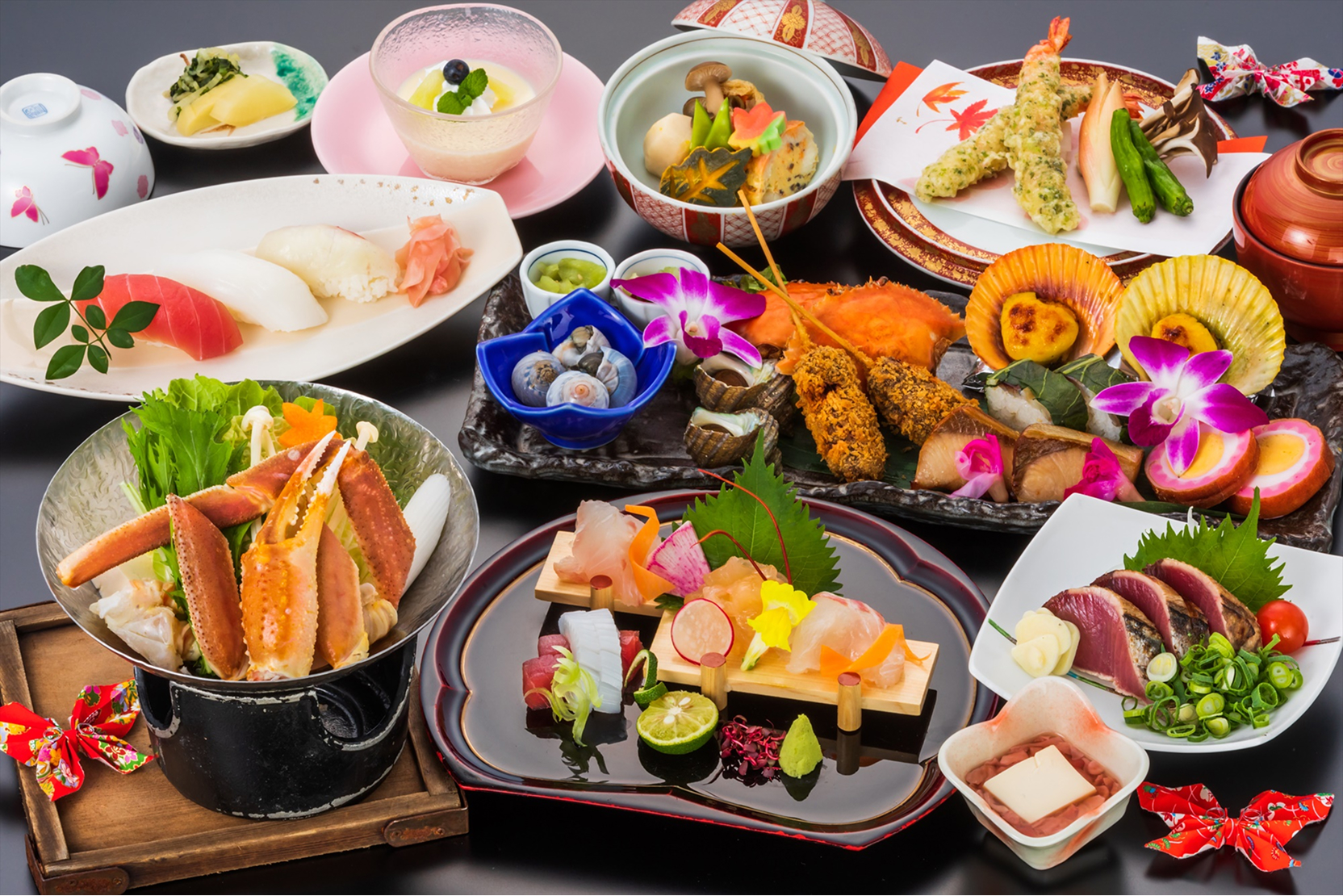
And the food of Shikoku is exceptional as well. Fresh seafood from the Seto Inland
Sea—sea bream, pike conger, octopus. Wild mountain vegetables and river fish from the
Shikoku Mountains. The dishes are simple, but the quality of the ingredients shines
through. Unlike the elaborate plates of fine dining, here you truly feel that you are
receiving life itself.
Fresh Seafood from the Seto Inland Sea
Accommodation is diverse as well. At traditional temple lodgings, you can join the
early morning service, enjoy shojin ryori Buddhist vegetarian cuisine, and spend a
quiet night on tatami mats.
And the food of Shikoku is exceptional as well. Fresh seafood from the Seto Inland
Sea—sea bream, pike conger, octopus. Wild mountain vegetables and river fish from the
Shikoku Mountains. The dishes are simple, but the quality of the ingredients shines
through. Unlike the elaborate plates of fine dining, here you truly feel that you are
receiving life itself.
After dinner, you may sit by the hearth and share casual conversation with the
innkeeper or hostess. “How far did you walk today?” “Are your feet okay?” “It may rain
tomorrow, so take care.” In those moments, there is a pure human connection that goes
beyond efficiency or profit. Whether through broken Japanese or simple gestures,
hearts still connect. It is the true spirit of Japanese sincerity.
One European business leader reflected on a night spent at a henro inn this way: “They
did not know who I was. They did not know what kind of work I did, or how much wealth
I had. They simply welcomed me warmly as a traveler who had walked a long way. I
cannot express how precious that experience was.”
At the same time, in recent years, “luxury kominka retreats” and “decentralized
hotels” have become more common, offering refined stays that blend the beauty of
historic architecture with modern comfort. For example, in a private inn created from
a 200-year-old samurai residence, you may find a hinoki bath, a private dinner
prepared with local ingredients, and complete silence—all prepared just for you.
The Shikoku Pilgrimage is a rare journey where “inconvenience” and “luxury” coexist.
And that very diversity speaks to the remarkable openness of this pilgrimage route,
which welcomes every kind of traveler.
6. Conclusion: The Shikoku Pilgrimage Is the Most Luxurious Form of Self-Investment
in the World
What you learn in business school is strategy and frameworks. What executive coaching
offers is goal setting and techniques for improving performance. But true
self-transformation does not happen in a classroom. It happens when you sweat, endure
pain, face solitude, and encounter the kindness of strangers—in other words, only
through lived experience.
The Shikoku Pilgrimage is a place where Zen is not understood only with the mind, but
embodied through the body. The time for reading books is over. What you need to do now
is set foot on the soil of Shikoku, feel the wind, and take that first step.
When you have finished walking the 1,200 km, you will realize something. What has
changed is not the landscape. It is you.
Your thoughts will be clearer, your intuition sharper, and your judgment more steady.
And above all, you will understand more deeply than ever before who you truly are.
When you return from Shikoku, you will be more refined—not only as a business leader,
but as a human being.
That is why the Shikoku Pilgrimage is the most luxurious form of self-investment in
the world.
Are you ready? The majestic nature of Shikoku, the true culture of Japan, and the road
itself are waiting for you.