The Story Held In the Guesthouse
From a Symbol of Trust Left by Grandfather to a Travel Hub Open to the World
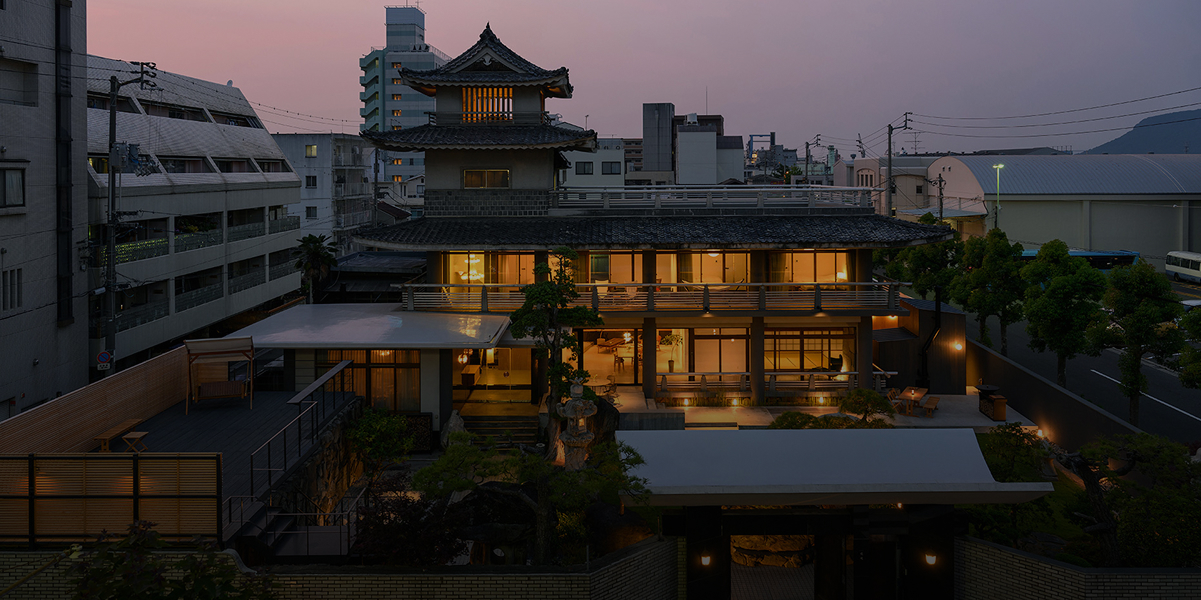
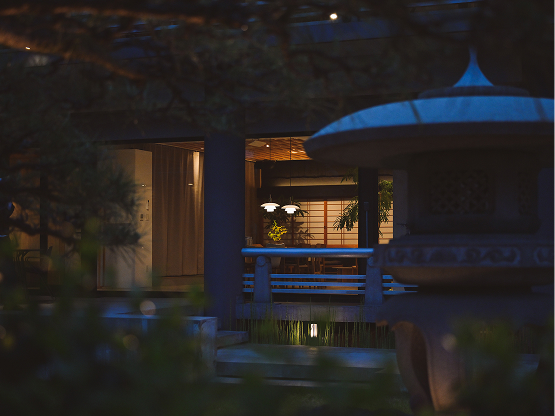
In the heart of Takamatsu City, Kagawa Prefecture, in a quiet area removed from the bustle of the city, stands Anabuki Tei, distinguished by its stately gate and beautiful Japanese garden. Built in 1970, this residence was originally the home of Natsuji Anabuki, founder of Anabuki Komuten, who helped lead the postwar reconstruction of Takamatsu through the provision of housing.
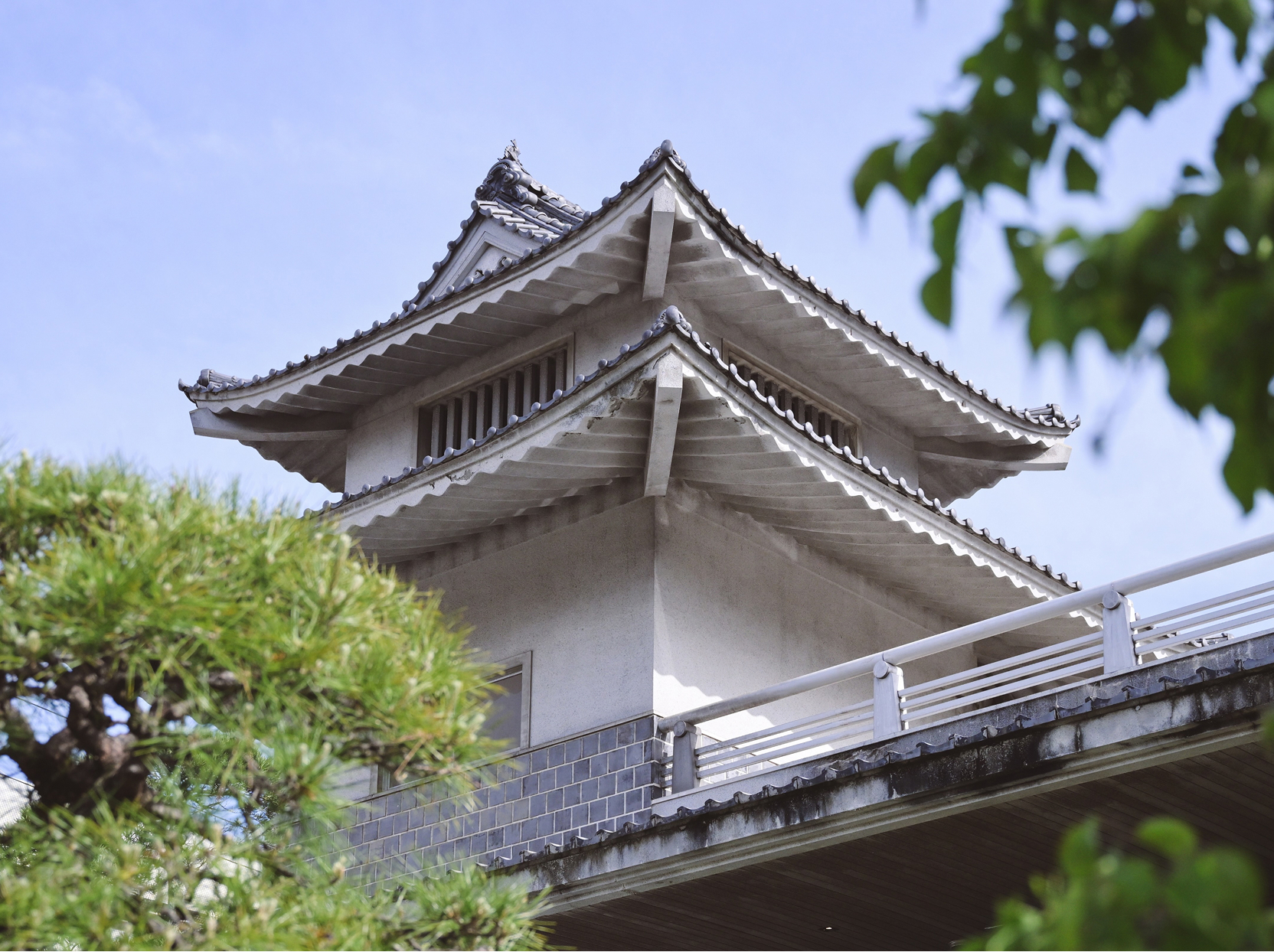
At the time, it served as a “symbol of trust,” offering reassurance to business partners and clients. It also functioned as a guest house, where visitors were welcomed into a garden filled with magnificent koi carp. At the same time, it was a cherished family home, filled with the history and warm memories of Eitaro Anabuki, the current owner, and his family.
As the years passed, the residence became vacant, and there was even discussion of demolishing it. However, Eitaro decided, “I would like to preserve this home filled with memories as a base for those visiting Takamatsu.” In this way, Anabuki Tei was transformed from a private family home into an exclusive luxury hotel accommodating only one group per day, sharing the rich cultural and historical context of the Seto Inland Sea with travelers from around the world.
More than simply a luxurious place to stay, it is a place where guests can experience, through all five senses, the art, nature, and uniquely warm human connections that define Kagawa and Shikoku. That is the story embodied within Anabuki Tei.
Our goal is not simply to provide beautiful rooms and excellent meals. I believe that true luxury comes from becoming part of our guests’ journeys myself and serving as a key that unlocks deeper connections with the local community.
The Owner’s Thoughts and Philosophy
When I was younger, I worked for a hotel in Shanghai and studied languages in the Philippines. Through those experiences, I became fascinated by the joy of communicating with people from unfamiliar cultures and backgrounds. After returning to Japan, I entered the hospitality industry, but I often felt something was missing. In conventional hotels and vacation rentals, my interactions with guests were usually limited to check-in and check-out. I could never truly become a character in their journey. I wanted to be more deeply involved in their travels and build genuine, personal connections.
That is why, when renovating Anabuki Tei, I chose a style in which I serve not only as the owner but also as the host, personally accompanying guests throughout their stay from arrival to departure. Even the most affluent travelers, after experiencing every imaginable luxury, ultimately find the greatest joy in human connection and unexpected encounters. Shikoku has a culture of warmth and closeness between people, embodied by the tradition of osettai, the hospitality shown to pilgrims. In contrast to the polished and refined experiences of Tokyo or Kyoto, we embrace a uniquely Shikoku style of hospitality—one where people’s thoughts, stories, and emotions naturally intertwine. I believe this is the greatest value we can offer.
For guests visiting from overseas, I introduce the deeper layers of Kagawa’s culture through the theme of “inheritance.” From Ritsurin Garden, which has preserved its beauty for over 400 years, to Naoshima, now known around the world as a sanctuary of contemporary art, there runs a continuous current of culture that transcends individual attractions.
I share with guests the story of how the foundations of design culture were built in postwar Kagawa, and how islands once struggling with depopulation achieved a remarkable revival through the power of art. It is a story of memory and renewal. By understanding this context, I believe the art they encounter on Naoshima resonates more deeply and shines more brightly in their hearts.
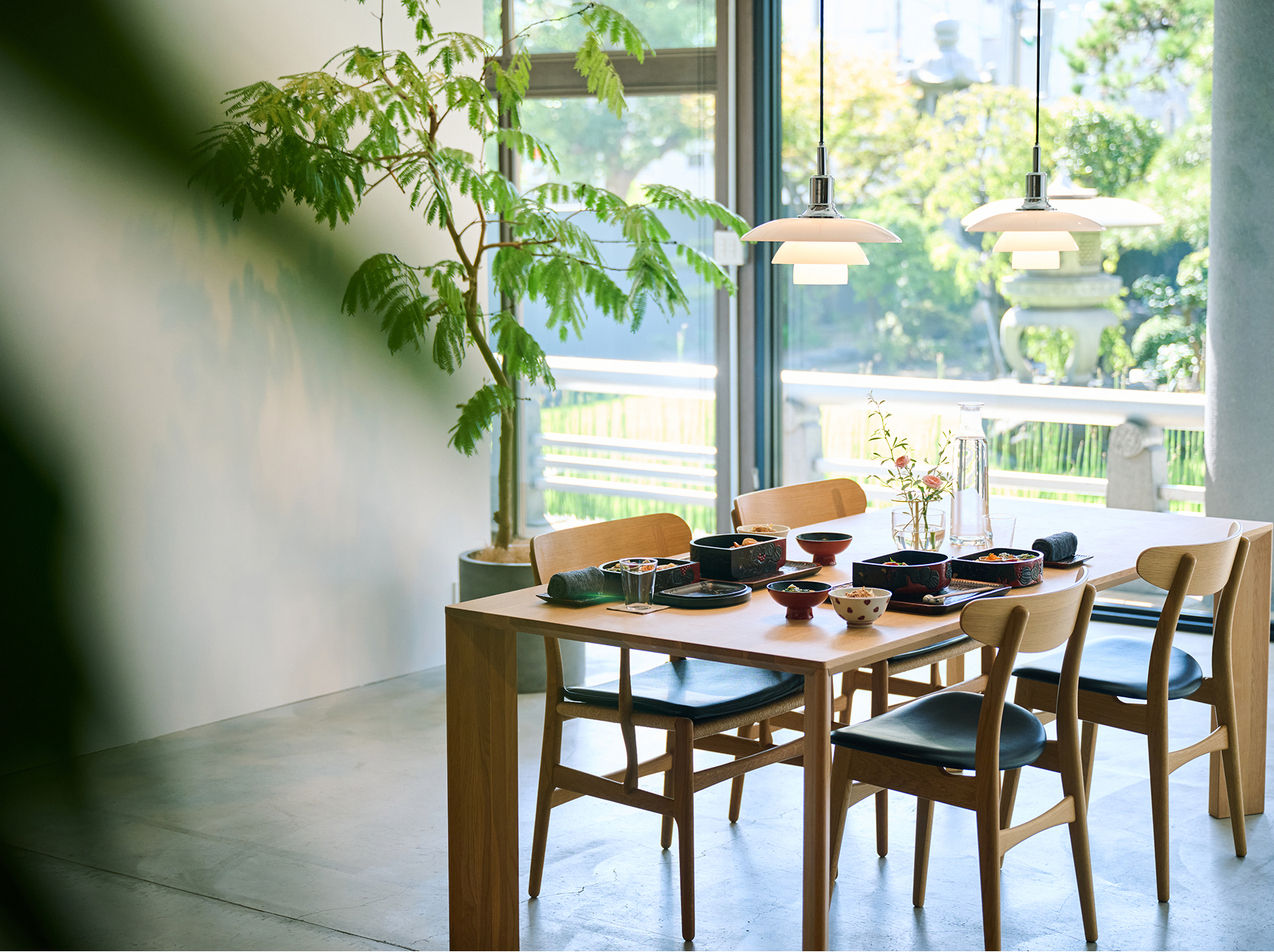
Through your stay at Anabuki Tei, I hope our guests can truly experience what I call "taking time to pause". Rather than rushing from one famous attraction to another, I encourage guests to slow down, relax both body and mind, and quietly absorb the experiences of their journey. I also hope you’ll share heartfelt conversations with your family or partner. This is the kind of richness I cherish.
I aspire to be the “key to the door” that opens up the world of local artisans—such as chefs, gardeners, and bonsai masters—previously inaccessible to travelers. By stepping into communities where traditions are still alive, guests can experience what it feels like to become part of this place. It is within this “open daily life” that I believe lies the true charm of Japan—the charm we are proud to share with the world.
A One-of-a-Kind Space and Experience that Brings Kagawa’s Culture and History to Life
Guest Rooms with Distinct Concepts Inspired by Different Eras
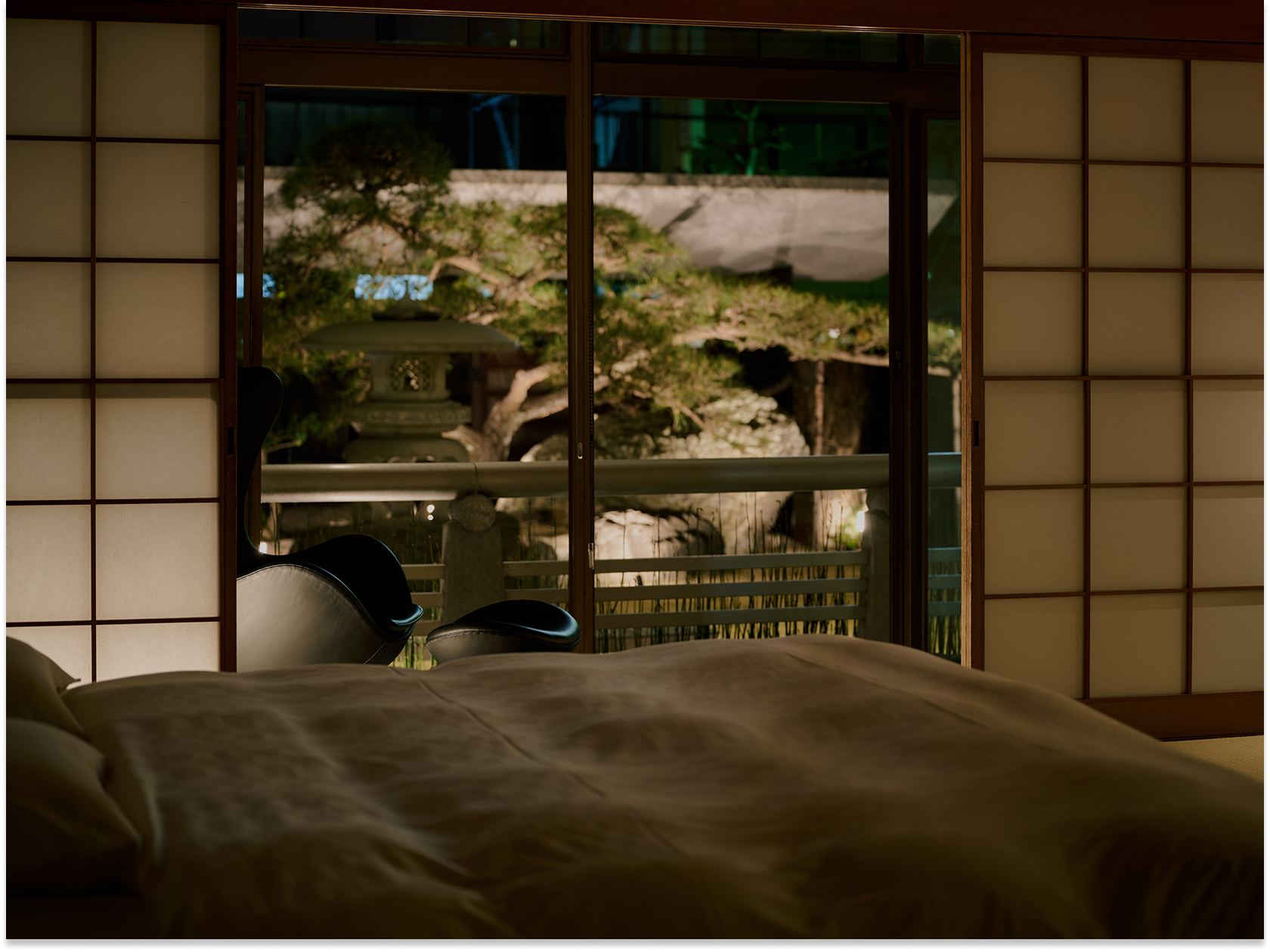
The guest rooms at Anabuki Tei are not simply places to sleep. Each is a one-of-a-kind space that expresses a different aspect of Kagawa’s history and culture.
Some rooms preserve the craftsmanship and spirit of the original residence, carrying forward the memories of the house itself. Others evoke the modernist movement that flourished in postwar Kagawa and the creative legacy of masters such as Isamu Noguchi and George Nakashima. Still others introduce guests to the fresh perspectives of contemporary artists working today.
After immersing yourself in these layers of local memory, you may set out the next morning for Naoshima or the islands of the Seto Inland Sea. When you do, the art you encounter there may speak to you not merely as individual works, but through a deeper cultural narrative.
A Garden Where a Century-Old Black Pine Meets Nordic Sauna Culture
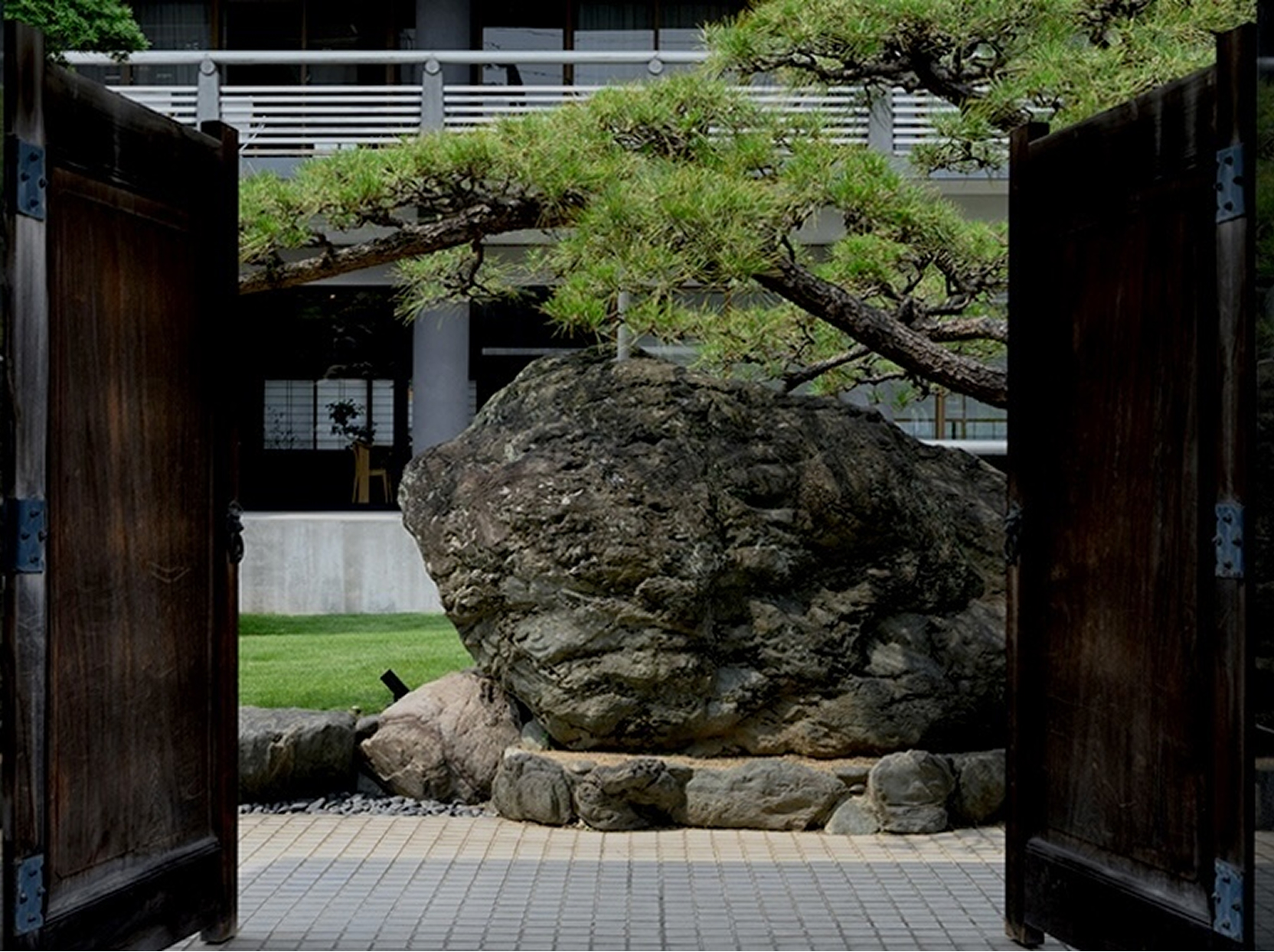
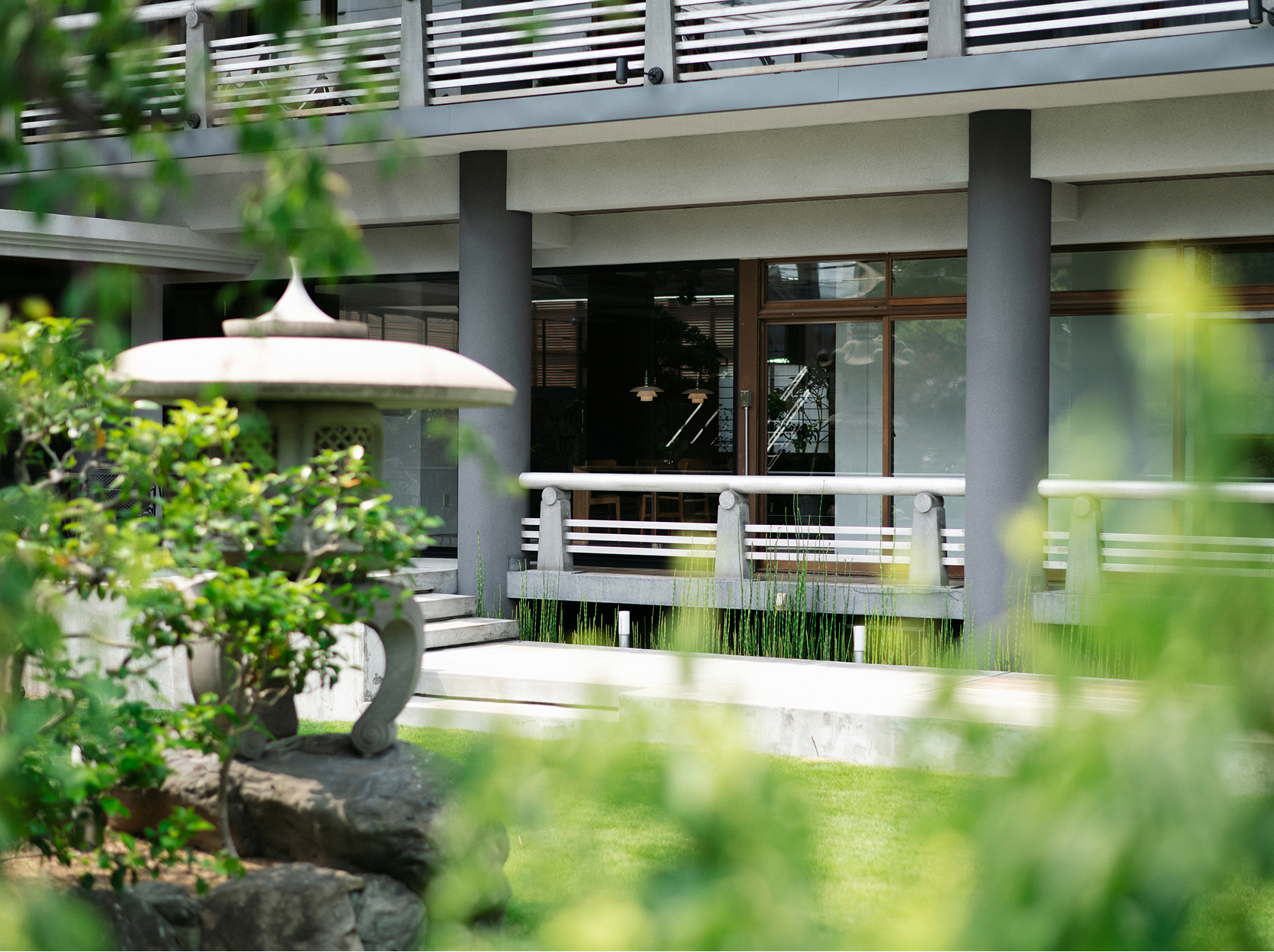
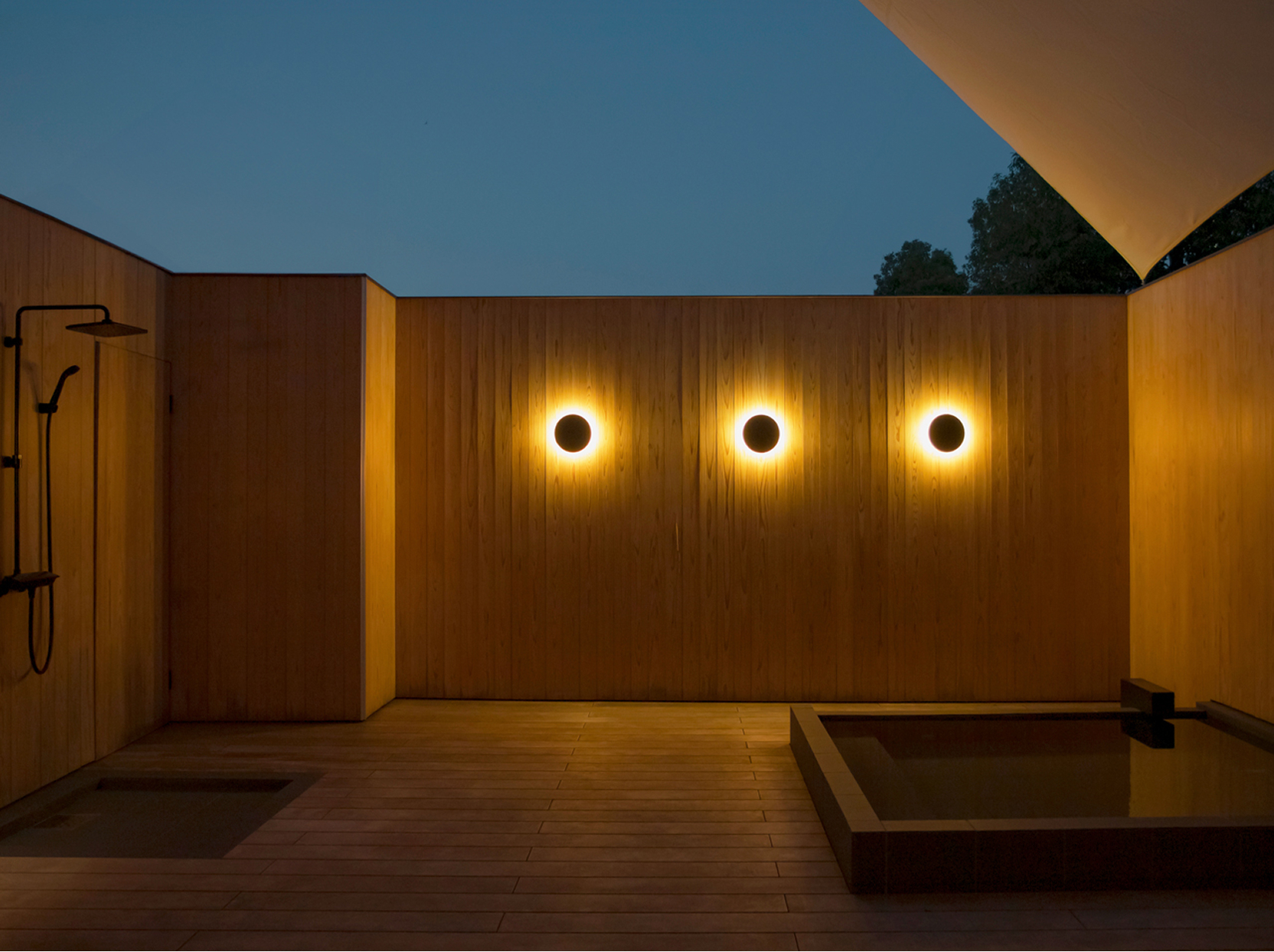
Beyond the gate stands a magnificent black pine tree that has watched over the history of the Anabuki family for more than a century. The garden was shaped by master gardeners whose work also supported the celebrated landscapes of Ritsurin Garden. Their craftsmanship continues to live on here, creating serene and beautiful shadows that come alive with the evening illumination.
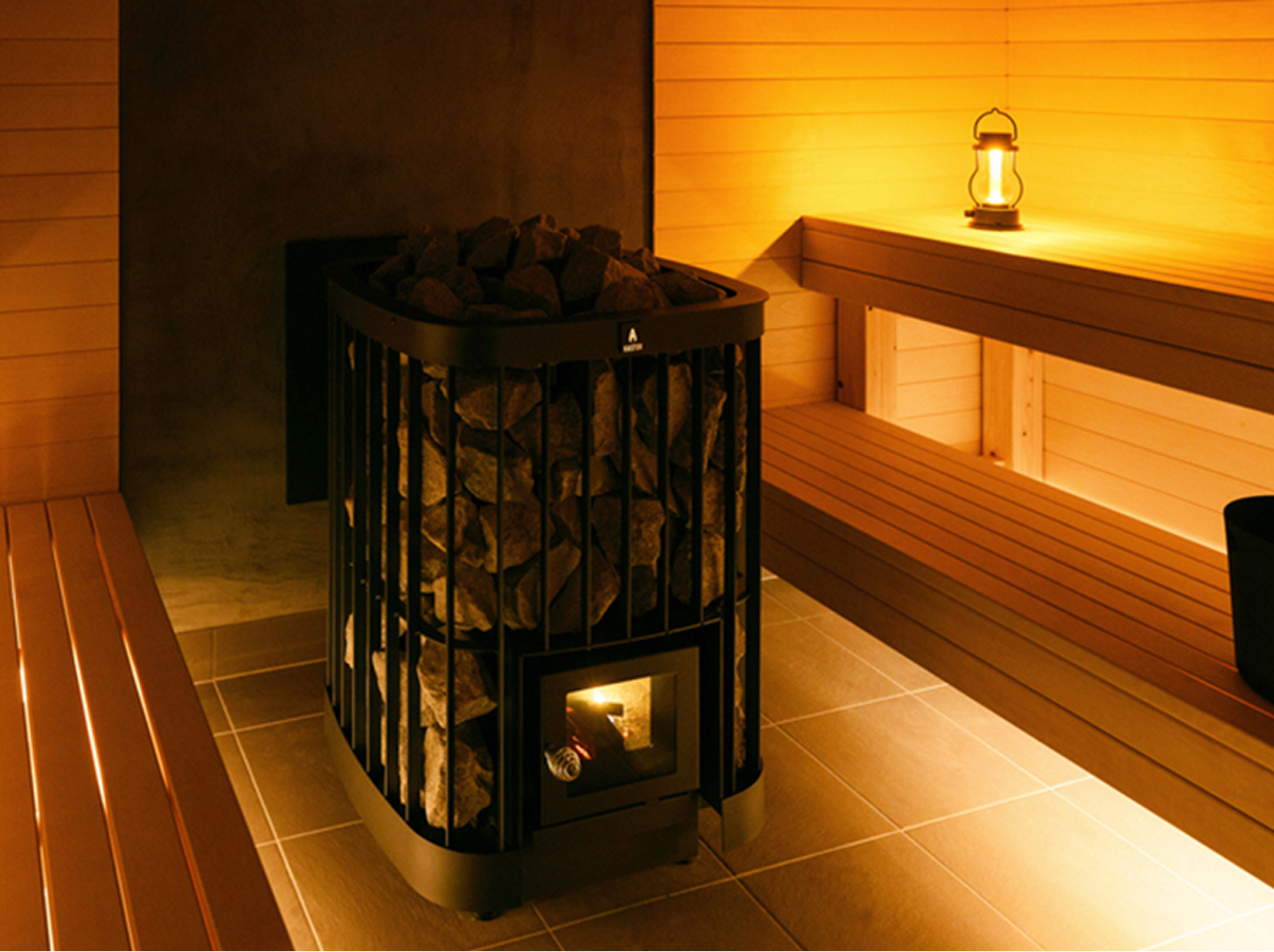
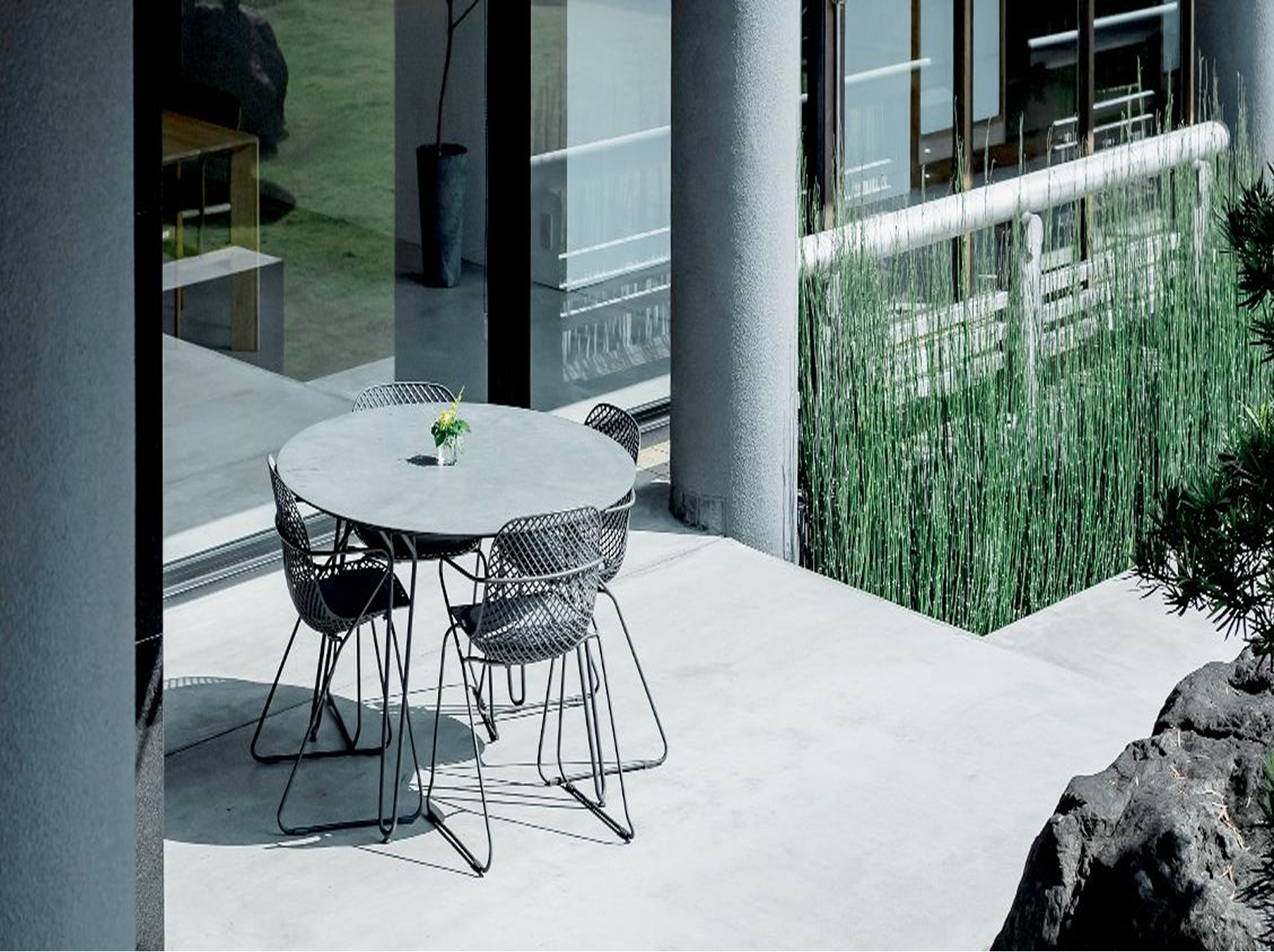
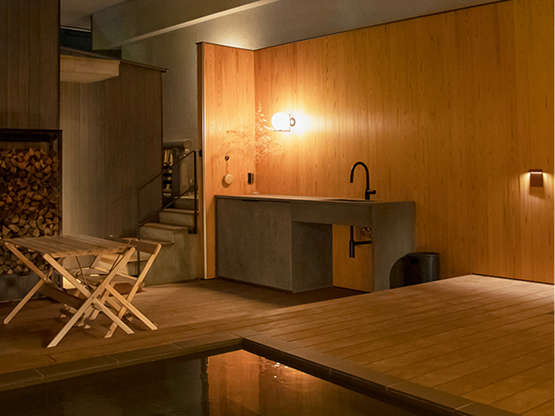
Nestled harmoniously within the garden is an authentic Finnish wood-fired sauna and open-air bath. Traditional Japanese aesthetics meet the Nordic philosophy of hygge—a sense of comfort, warmth, and well-being. Surrounded by a garden shaped by time, and listening to the crackling of firewood, guests can reconnect with a more natural rhythm of body and mind.
An Exceptional Gastronomic Experience that Connects You Deeply with the Region
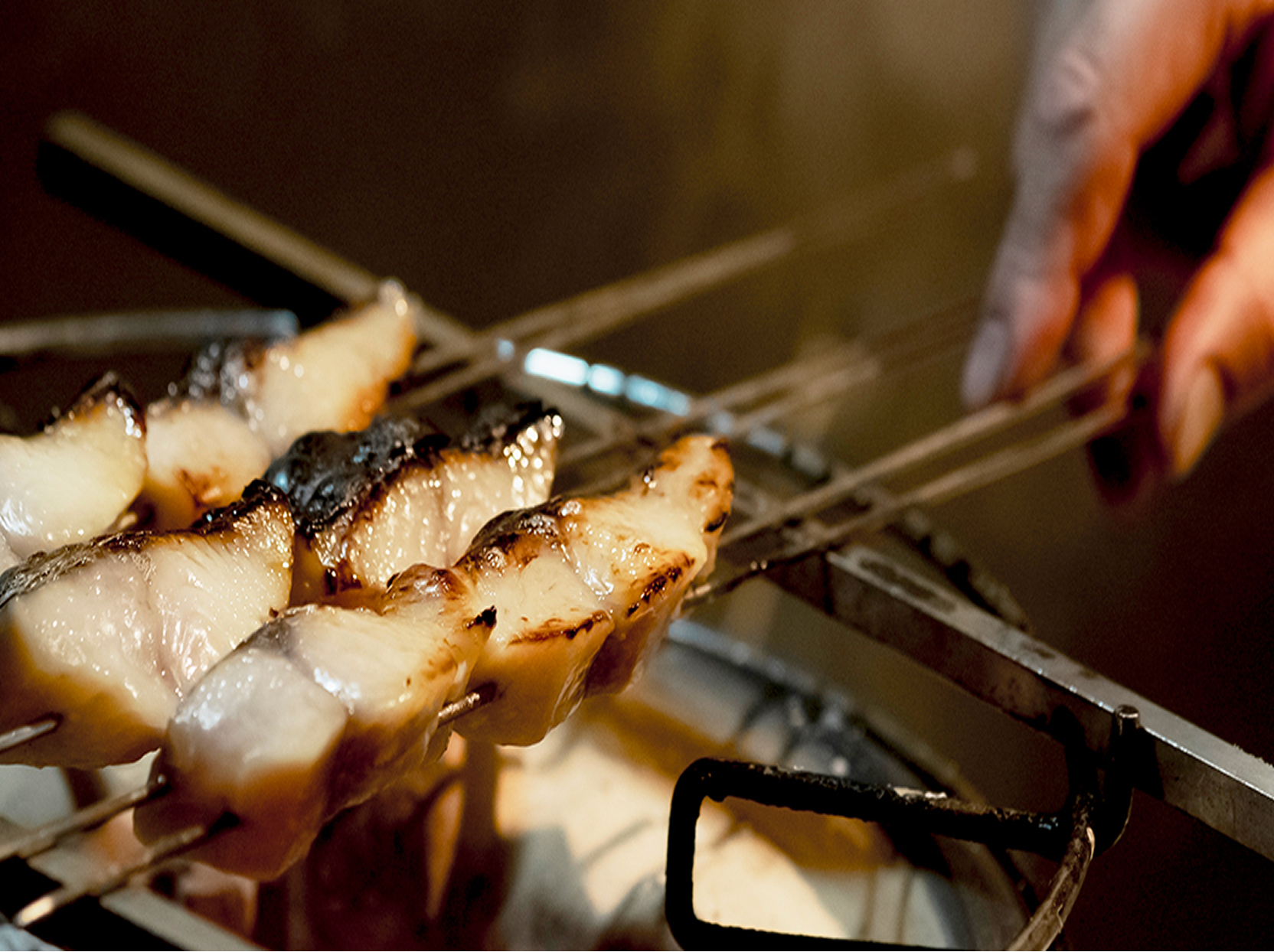
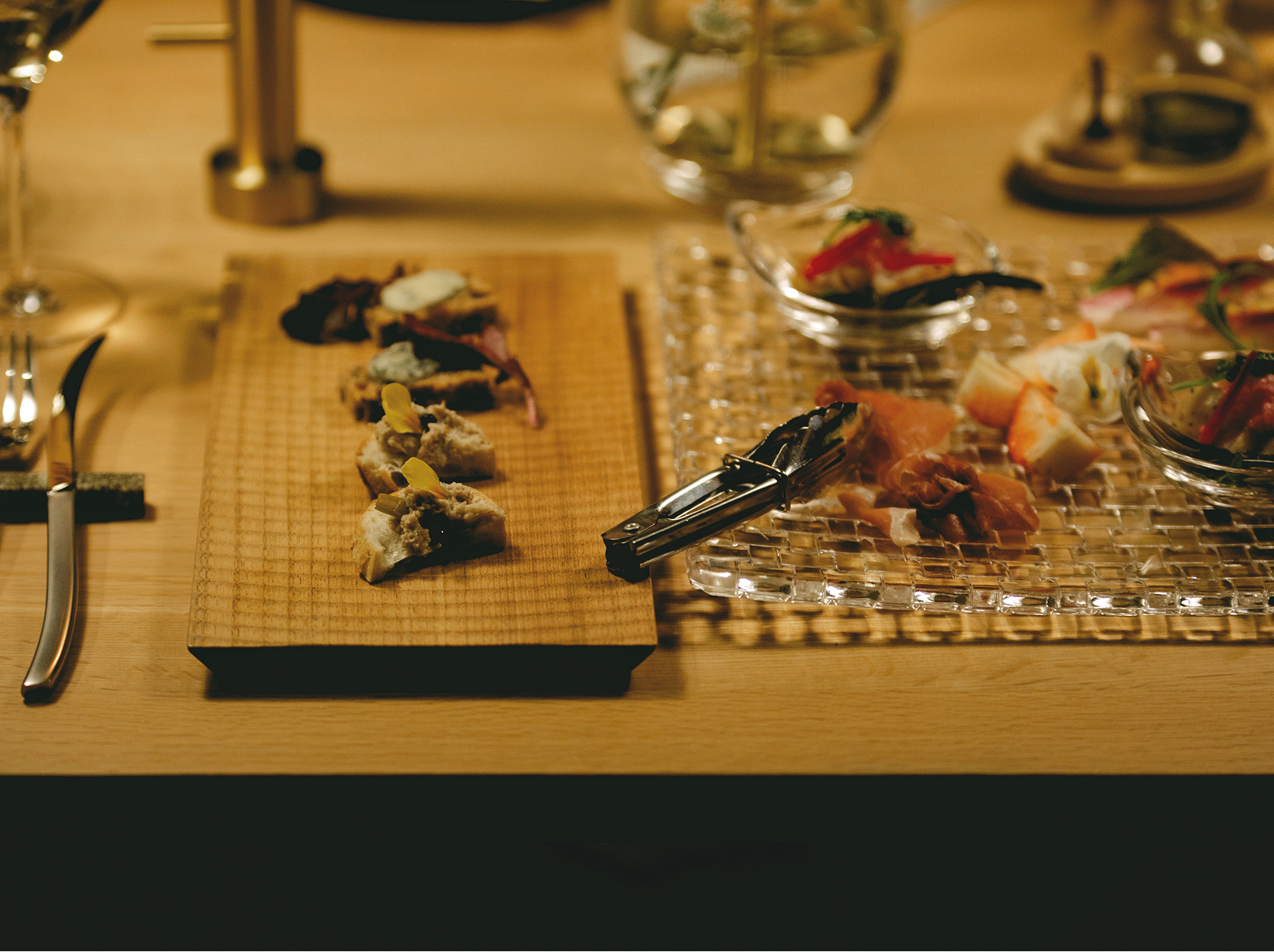
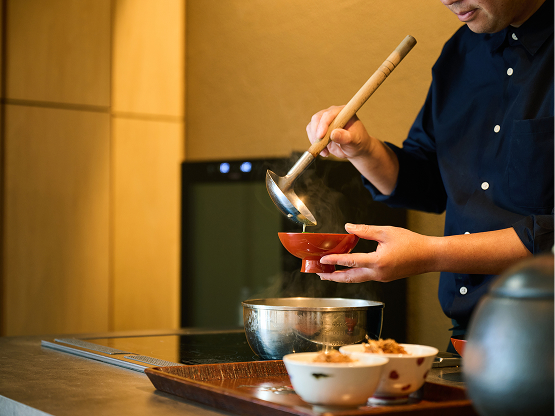
There is no fixed menu at Anabuki Tei. Instead, we invite local chefs whom we know and trust to create bespoke dining experiences exclusively for our guests. Seasonal ingredients from the Seto Inland Sea are carefully prepared and served alongside ever-changing views of the garden, creating a dining experience to be savored at leisure.
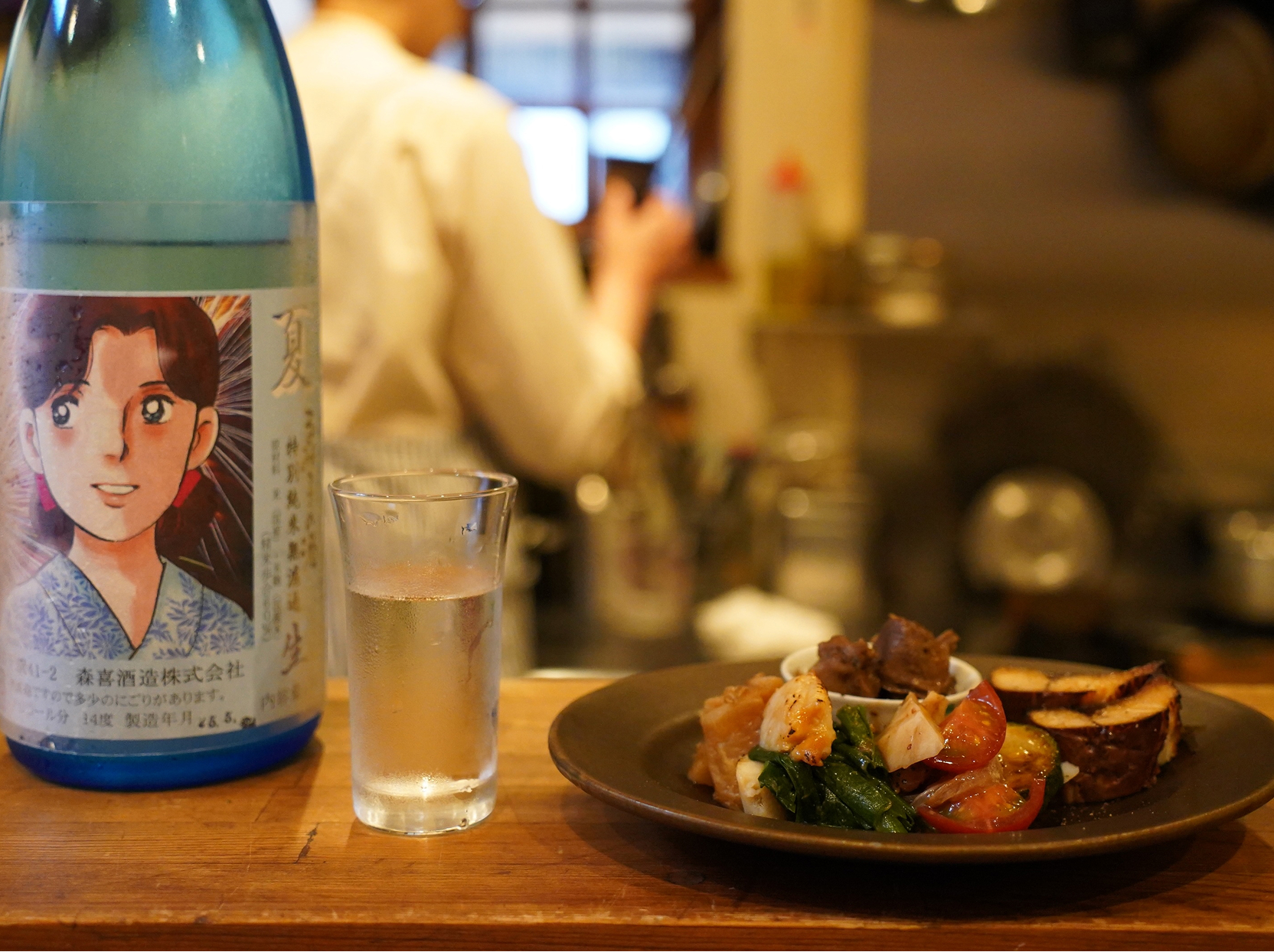
At times, the experience extends beyond the residence itself. I may personally introduce guests to local restaurants that I have cherished for many years. Some of these establishments are not ordinarily accessible to visitors, yet through our relationships, guests are welcomed with the warmth reserved for longtime regulars. Sharing a meal in these places, surrounded by local people and the vibrant energy of the community, becomes a memorable experience that remains long after the journey ends.
About the Residence
Anabuki Tei: A Private Heritage Villa Connecting You with the Spirit of the Land and the Depths of Japanese Culture
Located in the heart of Takamatsu, Anabuki Tei offers a world of tranquility hidden away from the city’s bustle. Once a private family residence, it has been transformed into a “Sanuki Modern” villa that welcomes only one group of guests per day.
What we offer is a style of stay we call "JIKYU" — a time to pause, connect with the spirit of the land, and refine one’s senses. Surrounded by the elegance of traditional architecture and the craftsmanship of master artisans, guests can experience Japanese culture not as fragments of information, but as a living story. Together with your loved ones, Anabuki Tei will serve a special place where you can reconnect with Japan.
About Your Stay
Anabuki Tei
Visit the official website hereSNS
Charges
- 1 night with 2 meals
- From ¥682,000
Meals
Meals
Japanese, Italian (Japanese–Italian fusion), and French cuisine. Chefs connected through trusted relationships will create a dining experience exclusively for you within the residence.
- *Alternatively, enjoy off-site dining with the owner: through the owner’s personal network, you will be guided to places that are not easily discovered by ordinary travelers.
・Breakfast: 7:00–9:00 (starting at your preferred time)
・Dinner: 18:00–20:00 (starting at your preferred time)
Check-in / Check-out
- Check-in
- From 15:00
- Check-out
- Until 12:00
- *Please be sure to contact us if you expect to arrive late
- *If you would like to leave your luggage before check-in, please confirm at the time of booking.
Access
760-0036 1-7-15 Jotocho, Takamatsu City, Kagawa Prefecture(Google Maps)
- ・15 minutes on foot from JR Takamatsu Station
- *Airport and station transfer services, including meet-and-greet at Takamatsu Airport or Takamatsu Station, can be arranged upon request (additional charge applies).
Room Features
Living & Dining Room (1F)
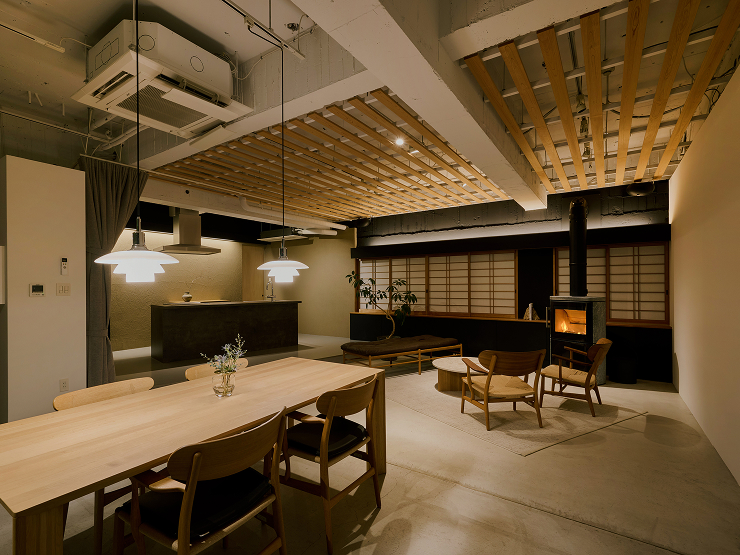
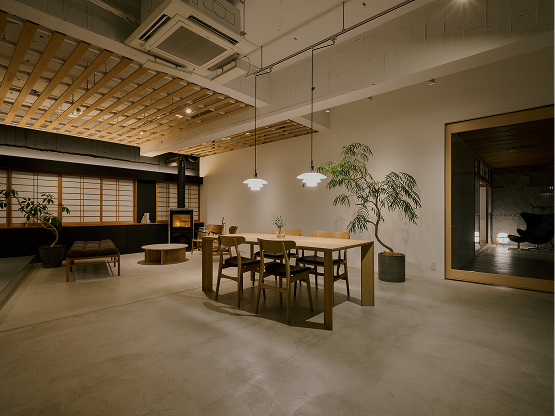
The heart of the residence, shared by all three suites. Morning light and evening illumination gently shift through the large windows overlooking the garden, naturally creating moments for dining, conversation, and quiet reflection. Enjoy the peaceful and fulfilling atmosphere that only a private villa can offer.
Heritage Master Suite (1F)
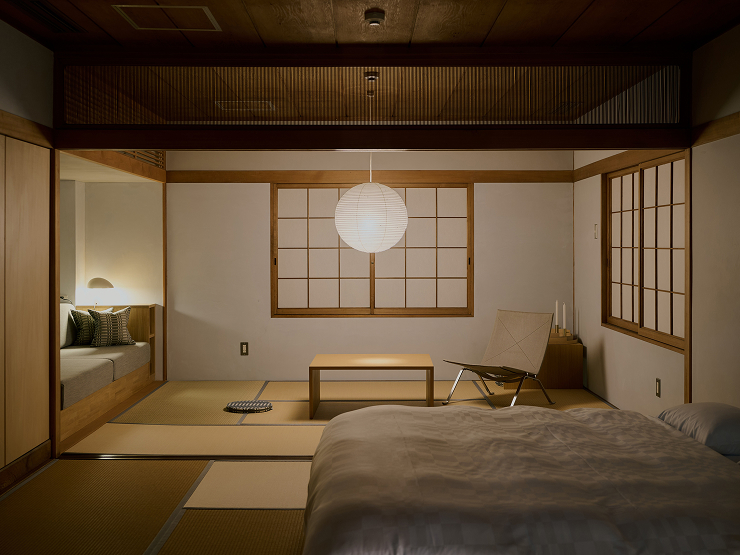
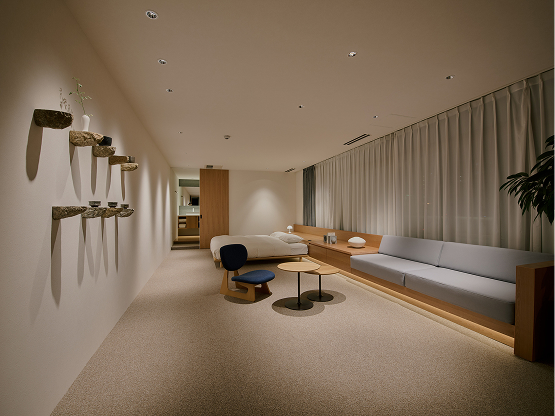
The room that preserves the memory of the residence most vividly. With a seamless connection to the garden, guests are embraced by the passage of time that this home has witnessed. The space has been intentionally left largely untouched, allowing the character and weight of its history to speak for itself. A suite designed for those who wish to experience what it feels like to live within history.
Modernist Master Suite (2F)
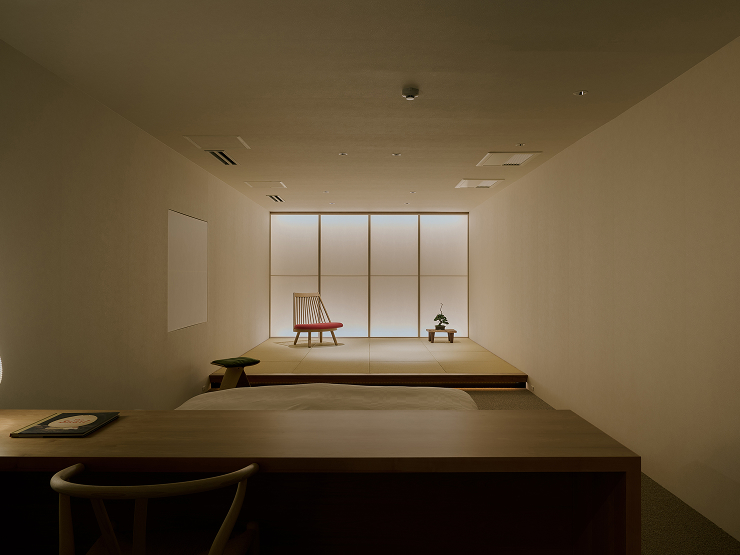
A second-floor suite filled with soft natural light. Light filtering through traditional Japanese paper harmonizes with Isamu Noguchi’s Akari lamps, creating a gentle rhythm throughout the space. Surrounded by light, guests can enjoy a tranquil experience in which thoughts settle and the senses gradually awaken.(50m2 / Private bath and toilet / King bed)
Artisan Master Suite (2F)
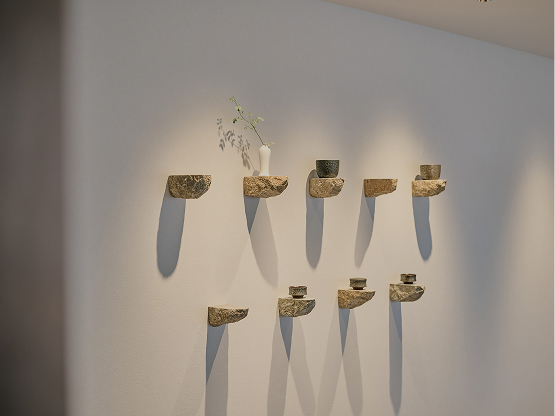
A suite where guests can experience the beauty of materials and craftsmanship. Featuring Kagawa’s traditional crafts alongside the work of contemporary artisans, the space reveals the skill and character of its makers through every detail. Enjoy a quiet and deeply enriching stay that offers a connection to contemporary Japan.(42m2 / Private bath and toilet / King bed)
Deepen your experience
Nearby attractions
Ritsurin Garden
A strolling daimyo garden created approximately 300 years ago as a retreat for the Matsudaira family, the feudal lords of Takamatsu. With six ponds and landscaped hills, it offers beautiful seasonal scenery throughout the year.
About 12 minutes by carThe Isamu Noguchi Garden Museum
An art museum preserving the atelier and garden of sculptor Isamu Noguchi. Here, stone sculptures and nature exist in harmony, offering visitors an opportunity to experience the spirit of his creative work.
About 20 minutes by carTAKUMIKUMO VILLAGE
A facility where visitors can experience Kagawa’s traditional crafts and architectural culture. It is a place to encounter the skills of artisans, appreciate the beauty of materials, and discover the artistry of Japanese craftsmanship.
About 20 minutes by carPhoto gallery
More henro inn interviews
-
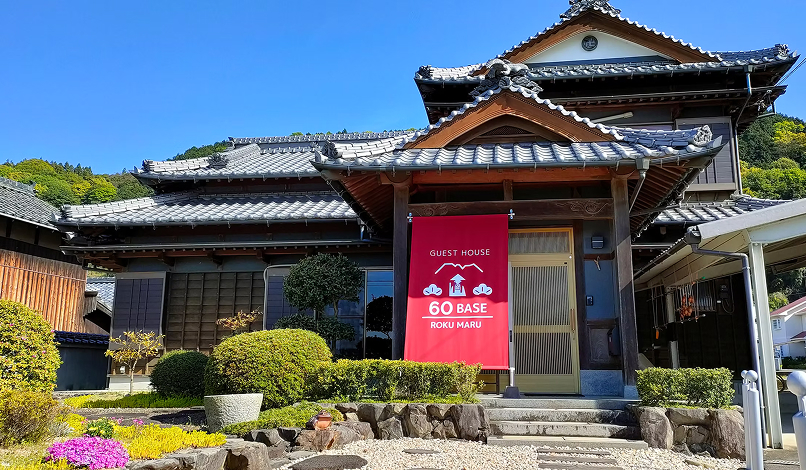
Guesthouse 60 BASE - Near Temple No. 60, Yokomineji
A plate from the home garden and time spent in conversation—an inn that passes the spirit of osettai on to the next generation
Read the article
-
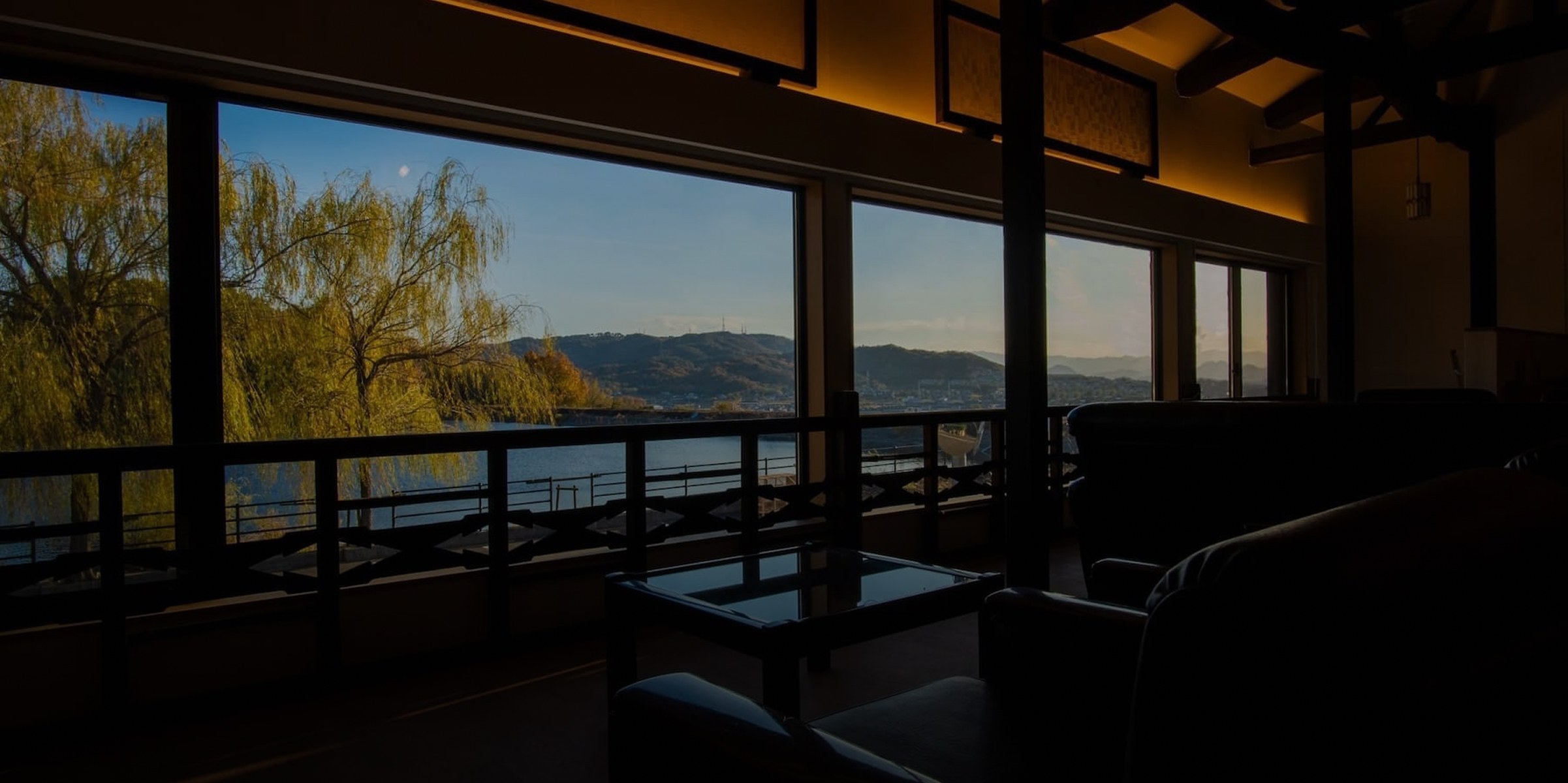
Near Temple No. 85, Yakuirji, and Temple No. 86, Shidoji
Carrying a 220-year legacy, weaving the philosophy of Kukai into the present
——an accommodation that welcomes the world through art and intellect.Read the article